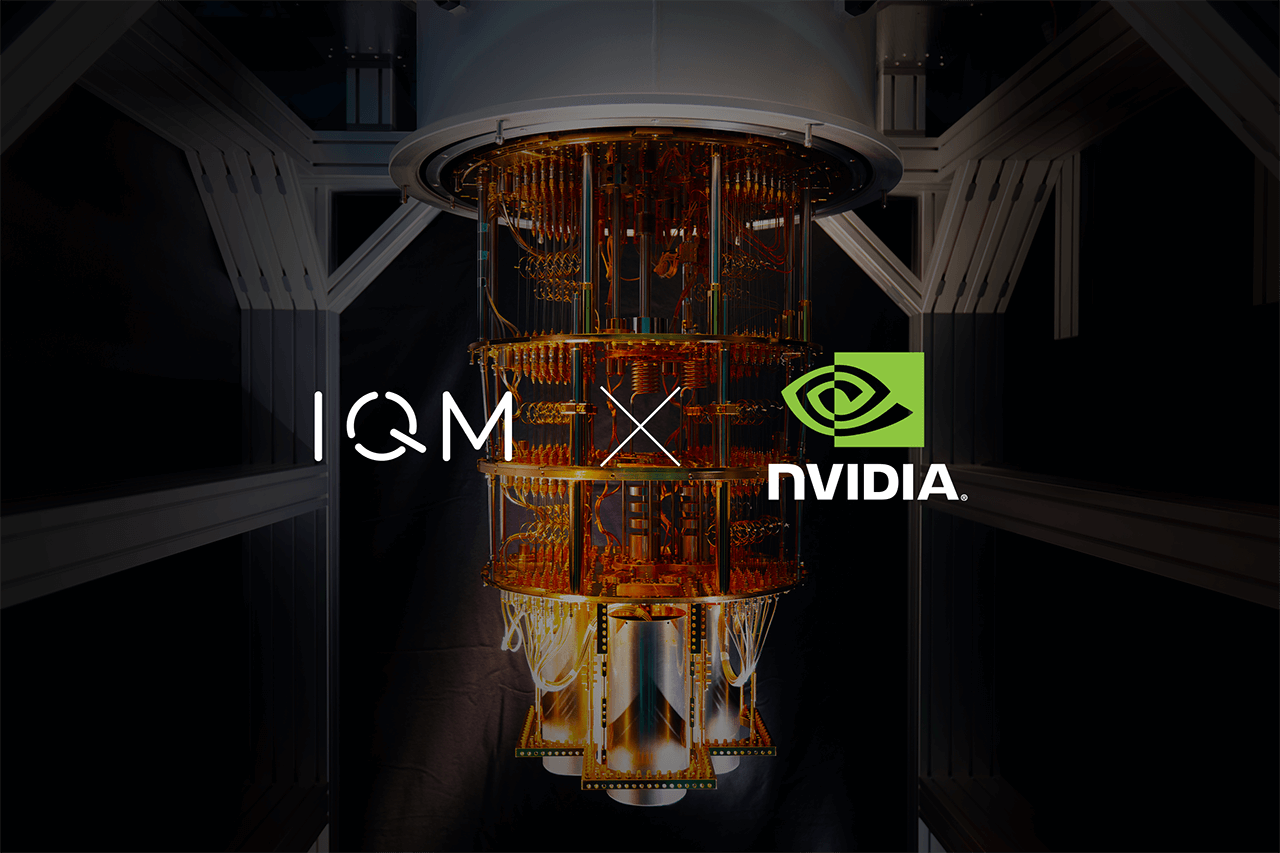
Quantum computing is advancing from a specialized research area to a practical tool for complex computations. Key developments include the integration of CUDA Quantum into superconducting quantum computers like those made by IQM Quantum Computers. This collaboration mirrors the relationship between CPUs and GPUs in classical computing, paving the way for scalable quantum applications.
Quantum processors work with classical systems to manage tasks and analyze results. NVIDIA’s CUDA Quantum extends this hybrid approach, simplifying the transition for developers and enhancing quantum computation performance. This technology allows quantum programs to be compiled into binaries, streamlining deployment across different quantum systems.
Quantum Computing: The Evolution and Practical Applications
Quantum computing, once a specialized research area, is rapidly transforming into a practical tool for solving complex computational problems that traditional systems struggle to manage efficiently. This transition is marked by significant advancements, such as integrating CUDA Quantum into the architecture of superconducting quantum computers, including those manufactured by IQM Quantum Computers. This partnership signifies a significant shift, closely resembling the relationship between Central Processing Units (CPU) and Graphics Processing Units (GPU) in classical computing. It lays the groundwork for robust, scalable quantum applications.
The Symbiotic Relationship Between Quantum and Classical Computing
Quantum processors (QPUs), like GPUs, enhance CPU capabilities by managing graphics and parallel processing tasks. They are designed to handle operations that exploit principles of quantum mechanics, such as superposition and entanglement. However, quantum processors do not operate in isolation; they work with classical systems that manage task preparation, execution control, and result analysis. This synergy is encapsulated in hybrid quantum-classical programs, which use classical systems to set up quantum problems and interpret the outcomes processed by quantum hardware.
NVIDIA’s development of CUDA Quantum exemplifies this hybrid approach by extending the familiar CUDA architecture to quantum computing. This simplifies the transition for developers familiar with CUDA’s GPU programming and enhances the performance of quantum computations by applying a similar compilation and execution model.
CUDA Quantum: Streamlining Quantum Computations
CUDA Quantum allows quantum programs to be compiled into binaries, much like traditional software. These binaries can then be executed on compatible QPUs with no further compilation needed. This method significantly reduces the runtime overhead and streamlines deployment across different quantum systems.
The implications of CUDA Quantum for quantum computing are profound. By treating quantum routines as compilable binaries, developers can create libraries of quantum functions that can be reused and shared, akin to conventional software libraries. This accelerates the development process and fosters a standardized approach to quantum programming. For industries ranging from cryptography and drug discovery to financial modeling and logistics, the ability to deploy and scale quantum solutions without reinventing the wheel each time is a game-changer.
IQM Quantum Computers: Leveraging CUDA Quantum
IQM Quantum Computers, a company specializing in on-premise superconducting quantum computers, utilizes CUDA Quantum to enhance its hardware capabilities. The integration allows for precise, efficient control and execution of quantum operations tailored to the specific architecture of IQM’s quantum processors.
For instance, CUDA Quantum’s ability to compile to specific QPU architectures means that the same quantum program can be seamlessly executed across different setups, whether in academic labs or industry-scale supercomputing centers.
One of the practical applications already benefiting from this technology is IQM Resonance, a cloud-based quantum solution. IQM Resonance users can utilize CUDA Quantum to develop and run quantum programs, testing theories and applications in a real-world setting using the state-of-the-art development toolchain provided by CUDA Quantum.
As quantum computing continues to mature, integrating technologies like CUDA Quantum with quantum hardware platforms such as those provided by IQM is critical. These advancements not only make quantum computing more accessible but also ensure that it can meet the demands of large-scale, practical applications.
Drawing on the parallels with established classical computing frameworks, the quantum computing industry is poised to overcome its limitations and unlock new possibilities in various fields. The journey is just beginning, and the role of hybrid quantum-classical systems will undoubtedly be at the forefront of technological innovation in the coming years.
External Link: Click Here For More