Anthropic has unveiled Claude 3.7 Sonnet, an advanced hybrid reasoning AI model capable of instant responses or extended thinking processes visible to users. Available across all Claude plans, including Free, Pro, Team, and Enterprise, as well as through Amazon Bedrock and Google Cloud’s services at the exact pricing as its predecessor, Claude 3.7 Sonnet excels in coding, general reasoning, multimodal capabilities, and agentic coding, with extended thinking boosting performance in math and science.
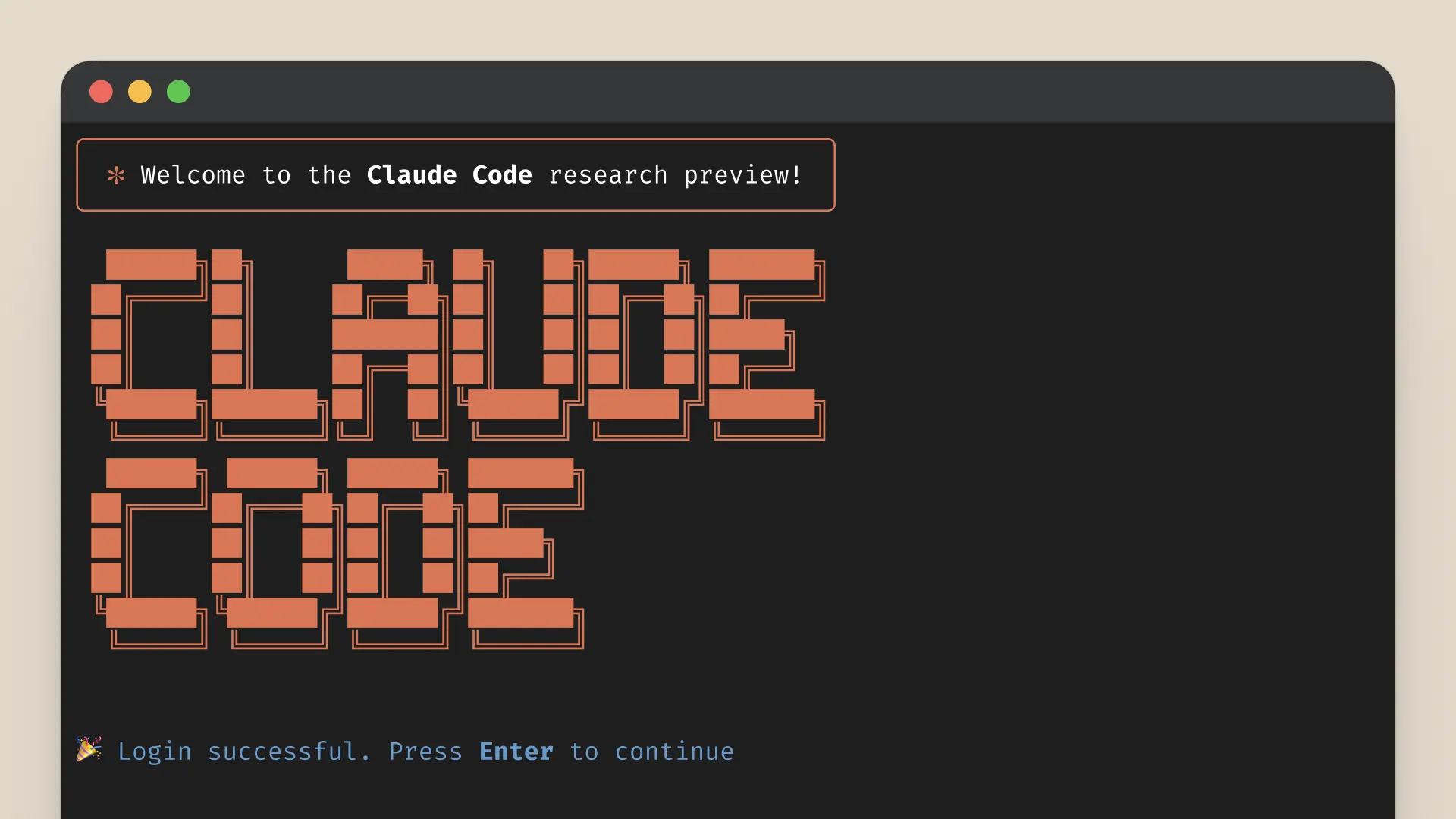
Alongside this, they’ve introduced Claude Code, a command-line tool enabling developers to automate code-related tasks such as searching, editing, testing, and interacting with GitHub repositories, significantly reducing development time. This marks a significant step toward AI systems that can augment human capabilities effectively.
Claude 37 Sonnet: A New Era of Deep Reasoning
Claude 3.7 Sonnet represents a significant leap in artificial intelligence, introducing a new era of deep reasoning that enhances problem-solving across various domains. This model excels in extended thinking, allowing it to tackle complex tasks with greater precision and depth than its predecessors. Its performance on benchmarks like SWE-bench and TAU-bench underscores its ability to effectively address real-world software issues and navigate intricate user interactions.
Safety and reliability are paramount in Claude 3.7 Sonnet, with improvements that reduce unnecessary refusals by 45% compared to earlier models. This advancement ensures a more intuitive interaction while maintaining robust security measures against emerging risks such as prompt injection attacks.
Integrating tools like Claude Code further amplifies its capabilities, enabling developers to streamline workflows through code editing and testing tasks. By reducing development time and enhancing collaboration, Claude 3.7 Sonnet supports technical efficiency and fosters innovation in AI applications.
Benchmark Results Show State-of-the-Art Performance on SWE-bench Verified
Claude 3.7 Sonnet has demonstrated exceptional performance on the SWE-bench, a rigorous benchmark for software engineering tasks. This model excels in handling complex software issues with precision and depth, significantly outperforming its predecessors. The results highlight its ability to address real-world challenges effectively, showcasing advancements in AI’s capacity to solve intricate problems.
The benchmark results underscore Claude 3.7 Sonnet’s state-of-the-art capabilities, particularly in extended reasoning and task execution. These achievements suggest a future where AI systems can augment human potential by tackling complex tasks with autonomy and efficiency. Such advancements pave the way for innovative solutions across various industries, enhancing problem-solving and creativity.
Claude Code: The First Agentic Coding Tool
Claude 3.7 Sonnet represents a significant advancement in AI for coding, offering enhanced deep reasoning capabilities that improve problem-solving across various domains. This model excels in extended thinking, allowing it to tackle complex tasks with greater precision and depth than its predecessors. Its performance on benchmarks like SWE-bench and TAU-bench highlights its ability to address real-world software issues effectively.
The integration of GitHub into Claude.ai enables developers to connect their repositories directly, streamlining workflows and enhancing collaboration. This feature is handy for handling code editing and testing, reducing development time and fostering innovation in AI applications.
Safety and reliability are central to Claude 3.7 Sonnet’s design. Extensive testing with external experts ensures robust security measures, including a 45% reduction in unnecessary refusals compared to earlier models. This improvement enhances user experience while maintaining strong safeguards against risks like prompt injection attacks.
A system card provides detailed safety evaluations and addresses emerging risks, emphasizing transparency and trustworthiness. It explores how models make decisions and evaluate their reasoning, which is crucial for building user confidence in AI systems.
Looking ahead, Claude 3.7 Sonnet and Claude Code are seen as pivotal steps toward AI that augments human capabilities. They enable deeper reasoning, autonomy, and effective collaboration, envisioning a future where AI enhances creativity and problem-solving across industries.
The milestone timeline illustrates Claude’s evolution from an assistant to a pioneer, reflecting continuous innovation and leadership in the AI space. This progression underscores ambitious goals for scalability and ethical considerations as AI becomes more integrated into various fields.
Enhanced GitHub Integration for Developers
One of the standout features of Claude 3.7 Sonnet is its integration with GitHub, which enables seamless workflow optimization for developers. By connecting directly to repositories, this model streamlines tasks such as code editing and testing, thereby reducing development time and fostering innovation in AI applications. This integration not only enhances collaboration but also underscores the potential for AI to augment human creativity and efficiency in software engineering.
Safety and reliability are central to Claude 3.7 Sonnet’s design, with a notable reduction in unnecessary refusals compared to earlier models. This improvement ensures a more intuitive user experience while maintaining robust security measures against emerging risks like prompt injection attacks. The model’s ability to handle complex tasks with autonomy and efficiency is further supported by its performance on rigorous benchmarks such as SWE-bench and TAU-bench, which highlight its state-of-the-art capabilities in extended reasoning and task execution.
Looking ahead, Claude 3.7 Sonnet represents a pivotal step toward AI systems that can collaborate effectively to expand human potential. Its advancements in deep reasoning and integration with tools like GitHub pave the way for more innovative solutions across industries, enhancing problem-solving and creativity. As AI continues to evolve, Claude 3.7 Sonnet exemplifies how technology can be harnessed responsibly to foster innovation while addressing potential risks through transparency and ethical considerations.
More information
External Link: Click Here For More