The Chicago Plan Commission has approved plans for a new quantum computing campus at the former U.S. Steel South Works site despite opposition from community groups and residents. The project, led by Palo Alto-based PsiQuantum, will anchor the 128-acre Illinois Quantum & Microelectronics Park, which could also house other technology and innovation companies.
Developer Related Midwest is working with PsiQuantum to build the world’s first commercially useful quantum computer, with plans to break ground in early 2025.
The project is expected to have a $50 billion to $65 billion economic impact on the region by 2035 and create thousands of jobs. Key individuals involved include Amalia NietoGomez, executive director of the Alliance of the Southeast, who is pushing for a community benefits agreement, and Curt Bailey, president of Related Midwest, who discussed the project’s plans during the commission meeting.
Aldermen Greg Mitchell and Peter Chico voiced their support for the project, while others, such as Gin Kilgore of Friends of the Parks, expressed concerns about the environmental impact and urged for an independent study.
Quantum Computing Campus Approved for Former South Works Site in Chicago
The Chicago Plan Commission has approved plans to rezone over 400 acres of land at the former U.S. Steel South Works facility, paving the way for a new quantum computing campus. The project, led by PsiQuantum and developer Related Midwest, will anchor the 128-acre Illinois Quantum & Microelectronics Park, which could be home to other technology and innovation companies.
The approval comes despite protests from community groups and residents, who have raised concerns about environmental issues, job creation, and community benefits. Organizations such as the Alliance of the Southeast and the Coalition for a South Works CBA have urged for an independent environmental study and more transparency in the development process.
Project Details
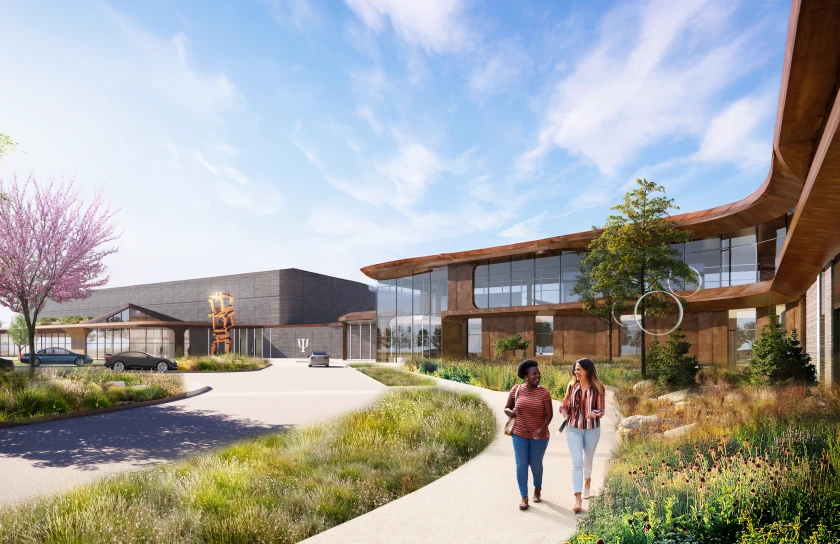
The quantum computing campus will be completed in phases over the next four to six years, with phase one focusing on the Illinois Quantum & Microelectronics Park. The park will feature public artwork, bird-safe technology, native landscaping, and transit infrastructure, among other offerings. PsiQuantum’s facility will be co-developed by real estate firm CRG and Related Midwest, with Lamar Johnson Collaborative designing the first phase of the park.
The project is projected to have a significant economic impact on the region, with estimates suggesting a $50 billion to $65 billion boost by 2035 and the creation of thousands of jobs. Aldermen Greg Mitchell and Peter Chico have voiced their support for the project, citing its potential to kick-start economic development on the Southeast Side.
Environmental Concerns
However, environmental concerns remain a major point of contention. Friends of the Parks has joined the chorus of organizations opposing the project, citing the need for more thorough environmental assessments. The Illinois Environmental Protection Agency previously declared the site safe for public occupation in 1997, but residents and community organizers argue that this evaluation is outdated.
Anne Holcomb of ETHOS, an environmental justice group, expressed concerns about the “reckless speed” at which the project is moving forward. “We’ve seen a lot of pretty pictures today, and in previous public meetings, we’ve heard a lot of really pretty presentations,” Holcomb said. “What they’re not showing you is what is in the ground.”
Chicago’s Chief Sustainability Officer Angela Tovar has assured that additional exploration of land contamination will take place, and concerns about nearby waterways and carbon emissions will be mitigated. PsiQuantum has also committed to running its facilities on zero-carbon power and using cryogenic cooling facilities that do not employ chemical pollutants.
Quantum Computing Potential
The quantum computing campus has the potential to revolutionize various fields, including medicine and cybersecurity. By harnessing the power of infinite combinations of binary bits, quantum computers can solve complex problems that are currently unsolvable by traditional computers. This could lead to breakthroughs in medical drug manufacturing and make sensitive data almost impermeable to hacking.
However, many of these possibilities remain theoretical, and experts acknowledge that significant technical hurdles must still be overcome before the full potential of quantum computing can be realized.
The project will now head to the City Council Zoning Committee before moving to a full-Council vote. As the development process moves forward, it remains to be seen how the concerns of community groups and residents will be addressed, and whether the promised benefits of the quantum computing campus will materialize.
External Link: Click Here For More