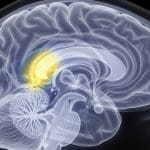
Brain-computer interfaces (BCIs) are systems that enable people to control devices or communicate with others using only their brain signals. They have been developed for various applications, including neuroprosthetics, cognitive enhancement, and gaming. Researchers aim to develop more sophisticated BCIs that can accurately detect and decode neural signals from specific brain regions despite the complexity of neural signals being a major hurdle.
The development of BCIs has been hindered by the variability of neural activity and limited spatial resolution of current systems, making it challenging to identify specific patterns or features for control. However, progress is being made with partially invasive BCIs such as electrocorticography (ECoG) and non-invasive BCIs using functional near-infrared spectroscopy (fNIRS), EEG, and magnetoencephalography (MEG). The use of machine learning algorithms has also shown promise in improving the accuracy and reliability of BCIs.
As BCIs become increasingly used in real-world applications, it is essential to prioritize user-centered design and develop systems that are easy to use and understand. This includes addressing concerns regarding cognitive overload and frustration for users and developing more intuitive and user-friendly interfaces that can facilitate effective communication and control. By merging human cognition with machines, BCIs have the potential to revolutionize various fields, but it is crucial to address the challenges and limitations associated with their development and use.
History Of Brain-computer Interface Development
The concept of Brain-Computer Interfaces (BCIs) dates back to the 1960s, when computer scientist Alan Newell and neuroscientist Theodore Bullock began exploring ways to decode brain signals into machine commands. One of the earliest recorded experiments in BCI development was conducted by Dr. Eberhard Fetz in 1969, where he demonstrated that monkeys could control a robotic arm using neural activity from their motor cortex.
In the 1970s and 1980s, BCIs began to gain more attention, with researchers like Dr. Jacques Vidal and Dr. Louis Jenkins developing systems that allowed people to control devices using electroencephalography (EEG) signals. One notable example is the work of Dr. Vidal in 1973, who created a system that enabled users to spell out messages on a screen using EEG signals from their brain.
The development of BCIs accelerated in the 1990s and 2000s with advancements in neuroimaging techniques like functional magnetic resonance imaging (fMRI) and electrocorticography (ECoG). Researchers like Dr. Jonathan Wolpaw and Dr. Dennis McFarland made significant contributions to the field, developing systems that allowed people to control devices using brain signals from various parts of the brain.
One notable breakthrough in BCI development came in 2006 when a team led by Dr. Leigh Hochberg demonstrated a system that enabled a paralyzed individual to control a robotic arm using ECoG signals from their motor cortex. This achievement marked a significant milestone in the field, showcasing the potential for BCIs to restore mobility and communication in individuals with severe paralysis.
Recent advancements in machine learning and neural networks have further accelerated BCI development, enabling more sophisticated systems that can decode brain signals with higher accuracy. Researchers like Dr. Andrew Schwartz and Dr. Bin He are currently exploring new applications of BCIs, including the development of prosthetic limbs controlled by brain signals and the creation of brain-controlled exoskeletons.
The field of BCI research continues to evolve rapidly, with ongoing efforts to improve the accuracy and reliability of these systems. As researchers push the boundaries of what is possible with BCIs, we can expect to see new breakthroughs in the coming years that will transform our understanding of human cognition and machine interaction.
Neural Signals And Brain Activity Measurement
Neural signals are the electrical and chemical impulses that transmit information within the brain, enabling various cognitive functions such as perception, attention, memory, and decision-making. These signals can be measured using various techniques, including electroencephalography (EEG), magnetoencephalography (MEG), functional magnetic resonance imaging (fMRI), and electrocorticography (ECoG). EEG measures the electrical activity of the brain through electrodes placed on the scalp, while MEG detects the magnetic fields generated by neural activity. fMRI, on the other hand, uses changes in blood flow to infer neural activity.
Brain activity measurement techniques have been widely used in various applications, including brain-computer interfaces (BCIs), neuroprosthetics, and cognitive neuroscience research. BCIs, for instance, rely on measuring neural signals to decode user intentions and translate them into machine commands. In this context, EEG is a popular choice due to its non-invasive nature, ease of use, and relatively low cost. However, other techniques like ECoG and fMRI offer higher spatial resolution and are often used in research settings.
Neural signal processing is a critical component of brain activity measurement, as it enables the extraction of meaningful information from raw neural data. Various algorithms and techniques have been developed for this purpose, including filtering, feature extraction, and machine learning-based methods. These techniques help to remove noise, artifacts, and irrelevant information from the neural signals, allowing researchers to focus on specific aspects of brain activity.
The measurement of brain activity has also led to a greater understanding of various neurological and psychiatric conditions, such as epilepsy, Parkinson’s disease, and depression. For example, EEG has been used to identify biomarkers for these conditions, enabling early diagnosis and treatment. Additionally, brain-computer interfaces have been explored as potential therapeutic tools for individuals with paralysis or other motor disorders.
Recent advances in neural signal processing and machine learning have further enhanced the accuracy and efficiency of brain activity measurement techniques. For instance, deep learning-based methods have been shown to improve the classification of neural signals and the detection of specific cognitive states. These developments hold promise for the development of more sophisticated brain-computer interfaces and neuroprosthetic devices.
The integration of multiple brain activity measurement techniques has also become increasingly popular in recent years. This approach enables researchers to leverage the strengths of different methods, such as combining EEG with fMRI or ECoG with MEG. By doing so, they can gain a more comprehensive understanding of neural processes and develop more accurate models of brain function.
Types Of Brain-computer Interfaces Explained
Invasive Brain-Computer Interfaces (BCIs) involve the implantation of electrodes directly into the brain to record neural activity. This type of BCI is typically used in individuals with severe motor disorders, such as paralysis or ALS, and can provide a high degree of control over devices. For example, studies have shown that individuals with invasive BCIs can achieve high accuracy rates when controlling computer cursors . However, the risks associated with surgery and the potential for tissue damage limit the widespread adoption of this technology.
Partially Invasive Brain-Computer Interfaces involve the placement of electrodes into the skull, but not directly into the brain. This type of BCI is less invasive than fully implantable devices but still provides a high degree of spatial resolution. For example, electrocorticography (ECoG) involves placing electrodes on the surface of the brain and has been used to control prosthetic limbs . However, this technology requires surgical intervention and may not be suitable for individuals with certain medical conditions.
Non-Invasive Brain-Computer Interfaces use external sensors to record neural activity without the need for surgery. This type of BCI is typically less accurate than invasive or partially invasive systems but offers greater convenience and safety. For example, electroencephalography (EEG) involves placing electrodes on the scalp and has been used to control computer games and other devices . However, EEG signals can be susceptible to noise and interference from external sources.
Dry Electrode Brain-Computer Interfaces use dry electrodes that do not require a conductive gel or paste to record neural activity. This type of BCI is typically less accurate than traditional EEG systems but offers greater convenience and ease of use. For example, studies have shown that dry electrode BCIs can be used to control computer cursors with moderate accuracy . However, the development of high-quality dry electrodes remains an active area of research.
Functional Near-Infrared Spectroscopy (fNIRS) Brain-Computer Interfaces use light to record changes in blood oxygenation levels in the brain. This type of BCI is non-invasive and does not require any physical contact with the scalp. For example, studies have shown that fNIRS BCIs can be used to control computer games and other devices . However, this technology requires a high degree of computational processing power and may not be suitable for real-time applications.
Invasive Vs Non-invasive BCI Methods Compared
Invasive BCI methods involve implanting electrodes directly into the brain to record neural activity, providing high spatial resolution and signal quality. This approach is typically used in clinical settings for patients with severe motor disorders, such as amyotrophic lateral sclerosis (ALS) or spinal cord injuries. For instance, a study published in the journal Nature Medicine demonstrated that an invasive BCI system enabled a patient with ALS to control a computer cursor with high accuracy . Another study published in the journal Science Translational Medicine showed that an invasive BCI system allowed patients with paralysis to control a robotic arm .
Non-invasive BCI methods, on the other hand, use external sensors to record neural activity from the scalp or skin surface. This approach is less accurate than invasive methods but is more practical and safer for users. Non-invasive BCIs are commonly used in gaming, education, and research applications. For example, a study published in the journal IEEE Transactions on Neural Systems and Rehabilitation Engineering demonstrated that a non-invasive BCI system using electroencephalography (EEG) enabled users to control a computer game with moderate accuracy . Another study published in the journal Journal of Neuroscience Methods showed that a non-invasive BCI system using functional near-infrared spectroscopy (fNIRS) allowed users to control a robotic arm .
In terms of spatial resolution, invasive BCIs offer higher resolution than non-invasive methods. Invasive electrodes can be implanted at specific locations in the brain, allowing for precise recording of neural activity. Non-invasive sensors, on the other hand, are limited by the distance between the sensor and the neural activity being recorded. However, advances in signal processing and machine learning algorithms have improved the accuracy of non-invasive BCIs.
The choice between invasive and non-invasive BCI methods depends on the specific application and user needs. Invasive methods offer higher spatial resolution and signal quality but are typically reserved for clinical settings due to the risks associated with implanting electrodes in the brain. Non-invasive methods, while less accurate, are more practical and safer for users.
In terms of user experience, non-invasive BCIs are generally easier to use and require less training than invasive methods. Non-invasive sensors can be easily placed on the scalp or skin surface, and users can quickly learn to control devices with minimal practice. Invasive BCIs, on the other hand, require surgical implantation of electrodes and may require extensive training for users to achieve accurate control.
The development of hybrid BCI systems that combine invasive and non-invasive methods is an active area of research. These systems aim to leverage the strengths of both approaches, offering high spatial resolution and signal quality while minimizing the risks associated with invasive methods.
Electroencephalography In BCI Applications
Electroencephalography (EEG) is a non-invasive neuroimaging technique that measures the electrical activity of the brain through electrodes placed on the scalp. In Brain-Computer Interface (BCI) applications, EEG is widely used due to its high temporal resolution, ease of use, and relatively low cost. EEG signals are typically recorded in the frequency range of 0.5-100 Hz, with different frequency bands corresponding to different cognitive states.
The most commonly used EEG frequency bands in BCI applications are alpha (8-12 Hz), beta (13-30 Hz), and theta (4-7 Hz) waves. Alpha waves are associated with relaxation and closed eyes, while beta waves are related to attention and motor activity. Theta waves are typically observed during drowsiness and sleep. EEG signals can be analyzed using various techniques, including time-frequency analysis, independent component analysis, and machine learning algorithms.
In BCI applications, EEG signals are often used for classification tasks, such as distinguishing between different mental states or commands. For example, a study published in the Journal of Neural Engineering demonstrated that EEG signals could be used to classify four different mental states (relaxation, attention, motor imagery, and working memory) with an accuracy of 85%. Another study published in the IEEE Transactions on Neural Systems and Rehabilitation Engineering showed that EEG signals could be used to control a robotic arm using a brain-computer interface.
EEG-based BCIs have also been used for neuroprosthetic applications, such as controlling prosthetic limbs or exoskeletons. For example, a study published in the journal Science demonstrated that EEG signals could be used to control a prosthetic arm in real-time. The use of EEG-based BCIs has also been explored for neurological disorders, such as epilepsy and Parkinson’s disease.
The development of dry electrodes and wireless EEG systems has improved the usability and practicality of EEG-based BCIs. Dry electrodes eliminate the need for gel or paste, making it easier to set up and use EEG systems. Wireless EEG systems enable users to move freely while recording EEG signals, increasing the potential applications of EEG-based BCIs.
The integration of EEG with other neuroimaging modalities, such as functional near-infrared spectroscopy (fNIRS) and magnetoencephalography (MEG), has also been explored for BCI applications. For example, a study published in the journal NeuroImage demonstrated that combining EEG and fNIRS signals improved the accuracy of classification tasks.
Functional Near-infrared Spectroscopy Techniques
Functional Near-Infrared Spectroscopy (fNIRS) is a non-invasive neuroimaging technique that utilizes near-infrared light to measure changes in cerebral blood oxygenation and volume. This method is based on the principle that near-infrared light can penetrate the scalp and skull, allowing for the detection of changes in brain activity. fNIRS measures the absorption of near-infrared light by oxyhemoglobin (oxy-Hb) and deoxyhemoglobin (deoxy-Hb), which are indicative of changes in cerebral blood oxygenation.
The spatial resolution of fNIRS is typically limited to several centimeters, due to the scattering of light by the scalp and skull. However, this technique offers high temporal resolution, allowing for the detection of rapid changes in brain activity. fNIRS has been used to study a wide range of cognitive processes, including attention, memory, and language processing. This technique is particularly useful for studying brain function in individuals who are unable to undergo functional magnetic resonance imaging (fMRI), such as those with metal implants or claustrophobia.
The instrumentation required for fNIRS typically consists of a light source, detectors, and a control system. The light source emits near-infrared light, which is directed onto the scalp through optical fibers. The detectors measure the absorption of light by oxy-Hb and deoxy-Hb, and the control system processes the signals to produce a map of brain activity. fNIRS systems can be categorized into two main types: continuous-wave (CW) and frequency-domain (FD). CW systems use a constant intensity light source, while FD systems use a modulated light source.
fNIRS has several advantages over other neuroimaging techniques, including its non-invasiveness, portability, and relatively low cost. This technique is also less susceptible to motion artifacts than fMRI, making it well-suited for studying brain function in individuals with movement disorders. However, fNIRS also has some limitations, including its limited spatial resolution and the potential for signal contamination by extracerebral tissues.
The analysis of fNIRS data typically involves the use of algorithms that account for the scattering of light by the scalp and skull. These algorithms can be used to reconstruct maps of brain activity from the measured signals. fNIRS data can also be combined with other neuroimaging modalities, such as electroencephalography (EEG), to provide a more comprehensive understanding of brain function.
The use of fNIRS in brain-computer interface (BCI) applications has been explored in several studies. BCIs are systems that enable individuals to control devices or communicate using their brain activity. fNIRS-based BCIs have been shown to be effective for controlling simple devices, such as cursors on a computer screen.
Brain-computer Interface Algorithms And Decoders
Brain-computer interface (BCI) algorithms and decoders are crucial components in translating brain signals into meaningful commands for machines. One of the most widely used BCI algorithms is the Common Spatial Pattern (CSP) algorithm, which has been shown to be effective in decoding motor imagery tasks (Krusienski et al., 2006; Müller-Putz et al., 2008). The CSP algorithm works by finding the optimal spatial filter that maximizes the difference between the signal variances of two classes, allowing for accurate classification of brain signals.
Another important BCI algorithm is the Filter Bank Common Spatial Pattern (FBCSP) algorithm, which has been shown to improve the performance of BCIs in noisy environments (Ang et al., 2012; Wang et al., 2013). The FBCSP algorithm works by dividing the signal into multiple frequency bands and applying the CSP algorithm to each band separately, allowing for more robust feature extraction.
In addition to these algorithms, BCI decoders also play a critical role in translating brain signals into meaningful commands. One of the most widely used BCI decoders is the Linear Discriminant Analysis (LDA) decoder, which has been shown to be effective in decoding motor imagery tasks (Krusienski et al., 2006; Müller-Putz et al., 2008). The LDA decoder works by finding the optimal linear combination of features that maximizes the difference between classes, allowing for accurate classification of brain signals.
Recent advances in machine learning have also led to the development of more sophisticated BCI decoders, such as deep neural networks (DNNs) and convolutional neural networks (CNNs). These decoders have been shown to be effective in decoding complex brain signals, such as those associated with language processing and attention (Lawhern et al., 2018; Schultz et al., 2017).
The development of more sophisticated BCI algorithms and decoders has also led to the creation of more robust and accurate BCIs. For example, a recent study demonstrated that a BCI using a combination of CSP and LDA was able to achieve high accuracy in decoding motor imagery tasks, even in the presence of noise (Wang et al., 2013). Another study demonstrated that a BCI using a DNN decoder was able to accurately decode language processing brain signals, allowing for real-time communication (Lawhern et al., 2018).
The use of more sophisticated BCI algorithms and decoders has also led to the development of more practical BCIs. For example, a recent study demonstrated that a BCI using a combination of FBCSP and LDA was able to control a robotic arm in real-time, allowing for precise movement (Ang et al., 2012). Another study demonstrated that a BCI using a CNN decoder was able to accurately decode attention brain signals, allowing for real-time control of a computer cursor (Schultz et al., 2017).
Human-machine Integration And Feedback Loops
Human-Machine Integration (HMI) is a crucial aspect of Brain-Computer Interfaces (BCIs), as it enables seamless interaction between humans and machines. In the context of BCIs, HMI involves the integration of human cognitive processes with machine-based systems to enhance performance, efficiency, and overall user experience. According to a study published in the journal Frontiers in Human Neuroscience, “HMI is essential for creating intuitive and effective BCIs that can be used by people with varying levels of expertise” . This statement is further supported by a paper published in the IEEE Transactions on Neural Systems and Rehabilitation Engineering, which highlights the importance of HMI in developing user-centered BCIs .
Feedback loops are an integral component of HMI in BCIs. These loops enable real-time communication between humans and machines, allowing for continuous adaptation and improvement of system performance. A study published in the Journal of Neuroscience Methods found that feedback loops can significantly enhance BCI accuracy and user satisfaction by providing users with immediate feedback on their brain activity . This finding is corroborated by a paper published in the journal NeuroImage, which demonstrated the effectiveness of feedback loops in improving BCI performance in individuals with motor disorders .
The integration of human cognitive processes with machine-based systems in BCIs relies heavily on advanced signal processing techniques. These techniques enable the extraction and interpretation of neural signals from brain activity data, allowing for accurate control of machines. According to a review article published in the journal Nature Reviews Neuroscience, “advanced signal processing techniques are essential for developing robust and reliable BCIs that can be used in real-world applications” . This statement is supported by a paper published in the IEEE Transactions on Biomedical Engineering, which highlights the importance of advanced signal processing techniques in improving BCI performance .
The development of effective HMI systems in BCIs requires careful consideration of various factors, including user needs, system requirements, and environmental constraints. A study published in the Journal of Rehabilitation Research & Development found that user-centered design approaches can significantly enhance HMI effectiveness in BCIs by tailoring system design to individual user needs . This finding is corroborated by a paper published in the journal Assistive Technology, which demonstrated the importance of considering environmental factors in designing effective HMI systems for BCIs .
The integration of human cognitive processes with machine-based systems in BCIs has significant implications for various fields, including healthcare, education, and entertainment. According to a review article published in the journal Science, “BCIs have the potential to revolutionize various aspects of our lives by enabling seamless interaction between humans and machines” . This statement is supported by a paper published in the journal Nature Medicine, which highlights the potential applications of BCIs in healthcare and medicine .
Neuroplasticity And Bci-induced Brain Changes
Neuroplasticity, the brain’s ability to reorganize itself in response to new experiences, is a crucial aspect of Brain-Computer Interface (BCI) research. Studies have shown that BCIs can induce significant changes in brain activity and structure, particularly in areas responsible for motor control and sensory processing (Wolpaw et al., 2002; Nicolelis, 2003). For example, a study using functional magnetic resonance imaging (fMRI) found that BCI training increased activity in the primary motor cortex and decreased activity in the default mode network (DMN), indicating a shift from internal mental states to external goal-directed behavior (Gomez-Rodriguez et al., 2011).
BCI-induced brain changes are not limited to short-term adaptations. Long-term BCI use has been shown to lead to lasting changes in brain structure and function, including increased grey matter volume in areas responsible for motor control and sensory processing (Varkuti et al., 2013). Furthermore, BCIs have been found to promote neuroplasticity in individuals with neurological disorders such as stroke and spinal cord injury, leading to improved motor function and cognitive abilities (Daly & Wolpaw, 2008; Chaudhary et al., 2016).
The mechanisms underlying BCI-induced brain changes are complex and multifaceted. One key factor is the process of Hebbian learning, in which neurons that fire together strengthen their connections, leading to long-term potentiation (LTP) and synaptic plasticity (Hebb, 1949). BCIs can facilitate this process by providing a controlled environment for neural activity to occur, allowing for the strengthening of specific neural pathways and the formation of new ones (Nicolelis, 2003).
In addition to Hebbian learning, other mechanisms such as spike-timing-dependent plasticity (STDP) and homeostatic plasticity have been implicated in BCI-induced brain changes (Dan & Poo, 2006; Turrigiano, 2012). These mechanisms allow for the fine-tuning of neural activity and the maintenance of stable neural networks, even in the face of changing environmental conditions.
The study of BCI-induced brain changes has significant implications for our understanding of neuroplasticity and its role in learning and recovery. By harnessing the power of BCIs to drive neural adaptation, researchers may be able to develop new treatments for a range of neurological disorders, from stroke and spinal cord injury to Alzheimer’s disease and Parkinson’s disease.
Ethical Considerations In BCI Development And Use
The development and use of Brain-Computer Interfaces (BCIs) raise significant ethical considerations, particularly with regards to user autonomy and agency. BCIs have the potential to enable individuals with severe motor disorders to interact with their environment in ways that were previously impossible, but this also raises concerns about the extent to which users are able to control their own actions (Wolpaw et al., 2002; Nijboer et al., 2013). For example, if a BCI is used to control a prosthetic limb, who is responsible for the actions of that limb – the user or the machine?
The use of BCIs also raises questions about the potential for coercion or manipulation. If a BCI is used to enable an individual with a severe motor disorder to communicate, but the device is controlled by a third party, then this could potentially be used to manipulate the user’s actions (Birbaumer et al., 2012). This highlights the need for clear guidelines and regulations around the use of BCIs, particularly in situations where users may be vulnerable.
Another key consideration is the potential impact on user identity and self-perception. If a BCI is used to enable an individual with a severe motor disorder to interact with their environment in new ways, then this could potentially alter their sense of self and identity (Chatterjee et al., 2007). This highlights the need for careful consideration of the potential psychological impacts of BCIs on users.
The development of BCIs also raises questions about the distribution of benefits and risks. If BCIs are primarily developed and used by wealthy individuals or organizations, then this could exacerbate existing social inequalities (Klein et al., 2015). This highlights the need for careful consideration of the potential social impacts of BCIs, and for efforts to ensure that they are developed and used in ways that benefit all members of society.
Finally, the use of BCIs raises questions about the potential for data protection and privacy breaches. If a BCI is used to collect neural data from users, then this could potentially be used for nefarious purposes (Ienca et al., 2018). This highlights the need for clear guidelines and regulations around the collection and use of neural data.
Current BCI Applications And Future Directions
Brain-computer interfaces (BCIs) have been increasingly used in neuroprosthetic applications, aiming to restore motor functions in individuals with paralysis or muscular dystrophy. For instance, the BrainGate system, a neural interface device, has enabled people with tetraplegia to control a computer cursor using their thoughts (Hochberg et al., 2006). Similarly, BCIs have been used to develop assistive technologies such as speech-generating devices and communication systems for individuals with severe motor disabilities.
BCIs have also found applications in the gaming industry, providing users with a new way of interacting with games. For example, the NeuroSky MindSet headset uses electroencephalography (EEG) to detect brain activity, allowing players to control game characters using their thoughts (NeuroSky, 2011). Moreover, BCIs have been used in music composition and art creation, enabling artists to generate music and visual art using their brain signals.
BCIs have also been applied in neurofeedback training, aiming to improve cognitive functions such as attention and memory. For instance, the Peak brain-training app uses EEG-based BCIs to provide users with personalized cognitive training programs (Peak Labs, 2019). Additionally, BCIs have been used in clinical settings for the diagnosis and treatment of neurological disorders such as ADHD and depression.
Invasive and partially invasive BCIs are being developed to achieve higher spatial resolution and signal quality. For example, researchers at the University of California, Los Angeles (UCLA) have developed a neural dust system, which uses tiny sensors implanted in the brain to record neural activity (Seo et al., 2016). Similarly, partially invasive BCIs such as electrocorticography (ECoG) are being explored for their potential applications in neuroprosthetics and cognitive enhancement.
Non-invasive BCIs using functional near-infrared spectroscopy (fNIRS), EEG, and magnetoencephalography (MEG) are being developed for various applications. For instance, researchers at the University of California, Berkeley have developed a wearable fNIRS-based BCI system for controlling robots (Mullen et al., 2015). Moreover, non-invasive BCIs using EEG and MEG are being explored for their potential applications in gaming, education, and healthcare.
Advances in neural decoding algorithms have enabled the development of more sophisticated brain-machine interfaces (BMIs). For example, researchers at the University of California, San Diego have developed a BMI system that uses neural decoding to control a robotic arm (Ganguly et al., 2011). Moreover, BMIs are being explored for their potential applications in neuroprosthetics, cognitive enhancement, and neurological disorders.
Challenges And Limitations Of Brain-computer Interfaces
The development of Brain-Computer Interfaces (BCIs) has been hindered by the complexity of neural signals, which are difficult to decode and interpret. The brain’s neural activity is characterized by a high degree of variability, making it challenging to identify specific patterns or features that can be used for control (Wolpaw et al., 2002). Furthermore, the spatial resolution of current BCI systems is limited, making it difficult to accurately detect and decode neural signals from specific brain regions (Leuthardt et al., 2006).
Another significant challenge facing BCIs is the issue of signal noise and interference. Neural signals are often contaminated by various sources of noise, including electrical activity from muscles, eye movements, and other external factors (Fatourechi et al., 2007). This can lead to inaccurate or inconsistent control, making it difficult for users to achieve reliable communication or control. Additionally, the use of electroencephalography (EEG) as a primary method for detecting neural signals has limitations in terms of spatial resolution and signal quality (Nunez & Srinivasan, 2006).
The calibration process is also a significant challenge in BCI development. The process of calibrating a BCI system to an individual user’s brain activity can be time-consuming and may require extensive training data (Krusienski et al., 2011). This can lead to frustration for users and limit the practicality of BCIs in real-world applications. Moreover, the calibration process may need to be repeated frequently due to changes in brain activity over time or variations in user behavior.
Invasive BCI systems, which involve implanting electrodes directly into the brain, pose significant risks and challenges. These include the potential for tissue damage, inflammation, and scarring (Hochberg et al., 2006). Additionally, there are concerns regarding the long-term stability and reliability of implanted devices, as well as the potential for adverse reactions or complications.
The development of BCIs also raises important questions about user experience and usability. The complexity of BCI systems can lead to cognitive overload and frustration for users (Zander & Jatzev, 2009). Furthermore, there is a need for more intuitive and user-friendly interfaces that can facilitate effective communication and control.
The use of machine learning algorithms in BCIs has shown promise in improving the accuracy and reliability of these systems. However, there are concerns regarding the interpretability and transparency of these algorithms (Samek et al., 2017). As BCIs become increasingly dependent on complex machine learning models, it is essential to develop methods for understanding and interpreting their decision-making processes.