

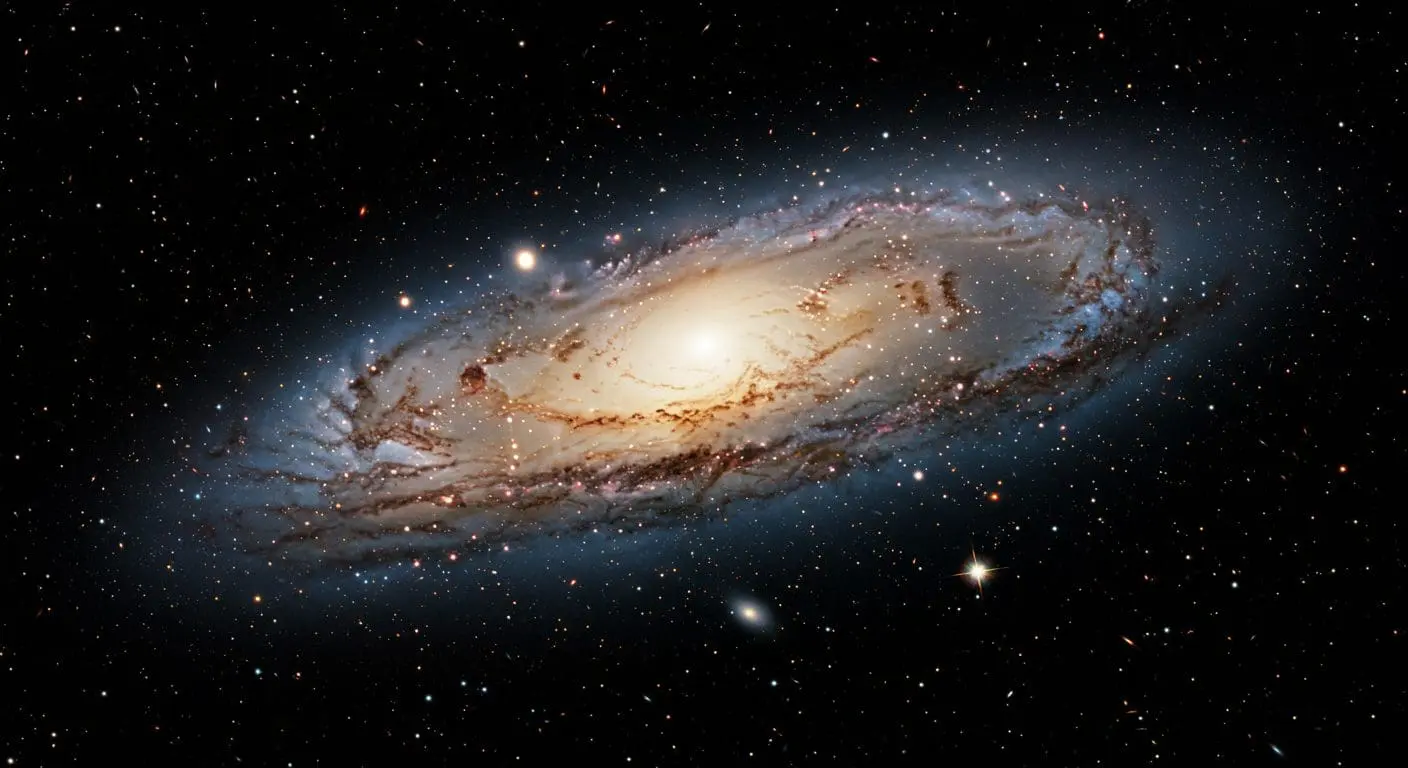
Black holes, traditionally viewed as points of no return, are increasingly investigated as potential mechanisms for recycling matter, energy, and potentially universes themselves. Modern astrophysical research, integrating general relativity, quantum mechanics, and cosmology, suggests these gravitational singularities may not represent absolute endpoints but rather transitional points within a larger cosmological framework. Theoretical work based on solutions to Einstein’s field equations proposes the possibility of traversable wormholes – tunnels connecting disparate regions of spacetime, or even separate universes – existing within or being manifested by black holes. The longstanding information paradox, concerning the fate of matter entering a black hole, has led to concepts like the holographic principle, suggesting information isn’t lost but encoded and potentially transferred, further supporting this cyclical view.
The theoretical basis for this “multiverse” interpretation rests on the extreme physics occurring within black holes, where quantum effects are predicted to dominate. Interpretations of quantum gravity propose a link between entangled particles and wormholes, suggesting black holes could be macroscopic manifestations of quantum entanglement. Furthermore, models like the “big bounce” or “eternal inflation” posit that our universe may have originated from the interior of a black hole within a parent universe, offering a potential resolution to the initial singularity problem of the standard Big Bang theory. This suggests a continuous cycle of universe creation and destruction, with each black hole potentially spawning a new universe containing further black holes, leading to an infinite multiverse.
Despite the compelling theoretical framework, significant challenges remain. Directly observing the conditions within black holes or confirming the existence of stable wormholes is currently beyond our technological capabilities. Mathematical models often require extrapolations beyond the established limits of physics, introducing inherent uncertainties. Nevertheless, the pursuit of understanding black holes as potential gateways to other universes continues to drive research at the intersection of general relativity, quantum mechanics, and cosmology, offering a tantalizing possibility that our universe is not unique and that black holes play a fundamental role in the ongoing evolution of a larger multiverse.
Event Horizon Formation, Accretion Disks
The formation of an event horizon is inextricably linked to the collapse of massive stars and the subsequent creation of stellar-mass black holes, or the direct collapse of matter in the case of supermassive black holes. As a star exhausts its nuclear fuel, it can no longer sustain the outward pressure necessary to counteract the inward force of gravity. This leads to a catastrophic implosion, where the core collapses in on itself. The event horizon, defined as the boundary beyond which nothing, not even light, can escape the gravitational pull, forms when the escape velocity exceeds the speed of light. The Schwarzschild radius, calculated as 2GM/c², where G is the gravitational constant, M is the mass of the collapsing object, and c is the speed of light, dictates the size of this horizon. Once matter crosses this boundary, it is inevitably drawn towards the singularity at the black hole’s center, effectively removing it from the observable universe.
Accretion disks are formed around black holes due to the conservation of angular momentum. When matter spirals towards a black hole, it doesn’t fall directly in; instead, it forms a rotating disk around the event horizon. This occurs because any initial angular momentum of the infalling material is conserved, preventing a direct plunge into the singularity. As the material orbits, friction within the disk, caused by collisions between particles, heats it to extremely high temperatures, often reaching millions of degrees Kelvin. This intense heat causes the accretion disk to radiate energy across the electromagnetic spectrum, including visible light, X-rays, and radio waves, making these disks some of the brightest objects in the universe. The efficiency of energy released from accretion disks is remarkably high, converting a significant fraction of the infalling mass into radiation.
The dynamics of accretion disks are complex and governed by magnetohydrodynamics (MHD). Magnetic fields play a crucial role in transporting angular momentum outward, allowing matter to spiral inward. Without an efficient mechanism for angular momentum transport, the disk would quickly become saturated, and accretion would cease. The magnetorotational instability (MRI) is a widely accepted mechanism that amplifies magnetic fields within the disk, creating turbulence and enhancing angular momentum transport. This turbulence also contributes to the heating of the disk, further increasing its luminosity. Simulations of accretion disks incorporating MHD effects demonstrate the formation of complex structures, such as jets and outflows, which are often observed in association with black holes.
The inner regions of accretion disks, closest to the event horizon, experience extreme gravitational effects described by general relativity. The innermost stable circular orbit (ISCO) defines the closest distance at which a particle can maintain a stable orbit around the black hole. Inside the ISCO, particles rapidly spiral inward towards the event horizon. The energy released from matter falling within the ISCO is particularly efficient, contributing significantly to the overall luminosity of the black hole. Relativistic effects, such as gravitational redshift and time dilation, also influence the observed properties of the accretion disk, altering the spectrum and intensity of the emitted radiation.
The composition of accretion disks varies depending on the environment surrounding the black hole. In binary systems, where a black hole accretes matter from a companion star, the disk is primarily composed of material stripped from the star. This material can include hydrogen, helium, and heavier elements. In active galactic nuclei (AGN), where supermassive black holes accrete gas from the surrounding galaxy, the disk can contain a wider range of elements, including dust and molecules. The chemical composition of the disk influences its opacity and radiative properties, affecting the observed spectrum and luminosity. Spectral analysis of accretion disks can provide valuable insights into the physical conditions and composition of the accreting material.
Jets and outflows are frequently observed emanating from the poles of black holes, often associated with accretion disks. These jets are highly collimated streams of plasma that travel at relativistic speeds, extending for vast distances into intergalactic space. The mechanism responsible for launching these jets is still not fully understood, but it is believed to involve the twisting of magnetic field lines within the accretion disk. The magnetic field lines become twisted due to the differential rotation of the disk, creating a magnetic pressure that accelerates the plasma outward. Jets can have a significant impact on the surrounding environment, heating the intergalactic medium and influencing the formation of galaxies.
The study of accretion disks and event horizons provides crucial tests of general relativity in the strong-field regime. Observations of the shadows of black holes, such as the image of M87* obtained by the Event Horizon Telescope, provide direct evidence for the existence of event horizons and confirm the predictions of general relativity. Precise measurements of the orbits of stars around the supermassive black hole at the center of the Milky Way also provide strong support for general relativity. Future observations with more sensitive telescopes and advanced data analysis techniques will continue to refine our understanding of these fascinating objects and push the boundaries of our knowledge of gravity and the universe.
Tidal Disruption Events, Spaghettification
Tidal disruption events (TDEs) represent a dramatic astrophysical phenomenon wherein a star approaches sufficiently close to a supermassive black hole (SMBH) and experiences intense tidal forces, ultimately leading to its disruption. These forces arise from the significant difference in gravitational pull on the near and far sides of the star, exceeding the star’s own self-gravity. This process isn’t instantaneous; as the star nears the SMBH, it stretches and deforms, a process often referred to as “spaghettification” due to the resulting elongated shape. The extent of spaghettification depends on several factors, including the mass of the black hole, the star’s trajectory, and the star’s internal structure, with lower-mass SMBHs generally leading to more complete disruptions. The disrupted stellar material then forms an accretion disk around the black hole, emitting observable electromagnetic radiation across a broad spectrum, providing astronomers with a unique opportunity to study both the black hole and the disrupted star.
The process of spaghettification is governed by the principles of Newtonian and general relativistic tidal forces. The tidal force is proportional to the mass of the black hole, inversely proportional to the cube of the distance from the black hole, and directly proportional to the radius of the star. When the tidal force exceeds the star’s self-gravity, which is proportional to its mass divided by its radius squared, the star is torn apart. For a star approaching a SMBH, the tidal force becomes dominant near the Roche limit, the distance within which a celestial body, held together only by its own gravity, will disintegrate due to a second celestial body’s tidal forces exceeding its self-gravity. However, the Roche limit is a simplification, and the actual disruption process is more complex, involving hydrodynamical simulations to accurately model the stellar deformation and fragmentation.
The outcome of a TDE isn’t always complete disruption. Depending on the parameters of the encounter, a star can partially disrupt, leaving behind a remnant core. This is more likely to occur with red giant stars, which have loosely bound outer layers. In these cases, the outer layers are stripped away, forming an accretion disk, while the core may escape or spiral into the black hole. The accretion disk formed from the disrupted stellar material is extremely hot and emits intense radiation, primarily in the ultraviolet and X-ray bands. The luminosity of this emission can be substantial, making TDEs potentially observable at cosmological distances. The emitted radiation also provides information about the accretion process, including the temperature, density, and composition of the disk.
The observed light curves of TDEs typically exhibit a characteristic pattern. Initially, there is a rapid increase in luminosity as the stellar material falls onto the black hole. This is followed by a slower decline as the accretion rate decreases. The duration of the outburst can vary from weeks to years, depending on the mass of the black hole and the amount of stellar material accreted. Some TDEs also exhibit flares or rebrightening events, which may be caused by instabilities in the accretion disk or by the accretion of additional stellar material. Analyzing these light curves provides insights into the dynamics of the accretion process and the properties of the black hole.
The detection of TDEs has increased significantly in recent years, thanks to large-scale sky surveys such as the Zwicky Transient Facility (ZTF) and the All-Sky Automated Survey for Supernovae (ASAS-SN). These surveys continuously scan the sky for transient events, including TDEs. Identifying TDEs requires distinguishing them from other transient events, such as supernovae and active galactic nuclei (AGN) flares. This is typically done by analyzing the spectral properties of the transient, as TDEs have a characteristic spectrum that is different from other transients. The observed rate of TDEs suggests that they are relatively common events, occurring roughly once per galaxy every 10,000 to 100,000 years.
The study of TDEs provides a unique opportunity to probe the environments around SMBHs. The disrupted stellar material can be used to map the distribution of gas and dust around the black hole, as well as to measure the black hole’s spin. The spin of a black hole affects the shape of the accretion disk and the emitted radiation, providing a way to constrain the black hole’s properties. Furthermore, TDEs can also reveal the presence of hidden SMBHs in dwarf galaxies, which are otherwise difficult to detect. These hidden SMBHs may play an important role in the evolution of dwarf galaxies.
The observation of gravitational waves from TDEs is a promising avenue for future research. While most TDEs are not expected to produce strong gravitational waves, some events, particularly those involving the disruption of white dwarf stars, may be detectable by current or future gravitational wave observatories. The detection of gravitational waves from a TDE would provide a complementary view of the event, allowing astronomers to probe the dynamics of the disruption process in greater detail. This would also provide a test of general relativity in the strong-field regime, as the gravitational waves would be affected by the black hole’s gravity.
Hawking Radiation, Quantum Evaporation
The theoretical phenomenon of Hawking radiation posits that black holes are not entirely “black” but emit thermal radiation due to quantum effects near the event horizon. This emission arises from the interplay between quantum field theory and general relativity, specifically the creation of virtual particle-antiparticle pairs in the vacuum of space. Near the event horizon, one particle of the pair may fall into the black hole while the other escapes, appearing as radiation emitted from the black hole. This process isn’t a simple leakage of particles already within the black hole; rather, it’s the continuous creation of new particles at the expense of the black hole’s mass-energy. The spectrum of this radiation closely resembles black-body radiation, characterized by a temperature inversely proportional to the black hole’s mass – smaller black holes radiate more intensely and evaporate faster. This concept fundamentally challenges the classical understanding of black holes as inescapable gravitational sinks.
The mathematical derivation of Hawking radiation relies heavily on the application of quantum field theory in curved spacetime. Stephen Hawking’s initial calculation treated the event horizon as a boundary condition for quantum fields, leading to the prediction of particle creation. A crucial aspect of this derivation is the concept of the vacuum state, which, in quantum field theory, isn’t empty but filled with fluctuating quantum fields. These fluctuations, when considered near the event horizon, can result in a net emission of particles. The emitted particles carry away energy, leading to a gradual decrease in the black hole’s mass. This process, termed “evaporation,” is extremely slow for stellar-mass black holes, with evaporation timescales far exceeding the current age of the universe. However, for primordial black holes, which may have formed in the early universe with much smaller masses, evaporation could be a significant process.
The temperature associated with Hawking radiation is extraordinarily low for astrophysical black holes. For a solar-mass black hole, the Hawking temperature is on the order of 60 nano-Kelvin, far below the cosmic microwave background radiation temperature of approximately 2.7 Kelvin. This means that stellar-mass and supermassive black holes are currently absorbing far more radiation from the cosmic microwave background than they are emitting through Hawking radiation, resulting in a net gain of energy. However, the theoretical implications of Hawking radiation extend beyond the observable universe. It suggests that black holes aren’t eternal but have a finite lifespan, eventually completely evaporating and releasing their energy back into the universe. This raises profound questions about information loss and the unitarity of quantum mechanics.
The information paradox arises from the apparent conflict between Hawking radiation and the principles of quantum mechanics. Quantum mechanics dictates that information cannot be destroyed, yet Hawking radiation appears to be thermal, meaning it carries no information about the matter that originally formed the black hole. If a black hole completely evaporates, the information about its initial state seems to be lost, violating a fundamental principle of quantum mechanics. Several proposed resolutions to the information paradox include the “firewall” proposal, which suggests that an extremely energetic region exists at the event horizon, destroying any infalling information, and the “fuzzball” proposal, which posits that black holes aren’t characterized by a singular event horizon but by a more complex, extended structure that preserves information. These proposals are still under active investigation and debate within the theoretical physics community.
The observational evidence for Hawking radiation remains elusive due to its extremely faint intensity. The predicted Hawking temperature for astrophysical black holes is so low that the emitted radiation is overwhelmed by the cosmic microwave background and other sources of electromagnetic radiation. Detecting Hawking radiation directly would require observing extremely small, potentially primordial, black holes or developing novel techniques to isolate the faint signal from the background noise. Some researchers are exploring the possibility of detecting analog Hawking radiation in condensed matter systems, such as Bose-Einstein condensates, where the behavior of excitations can mimic the effects of gravity and event horizons. These analog systems offer a potentially more accessible platform for studying the fundamental principles of Hawking radiation.
While direct observation remains a challenge, indirect evidence supporting the theoretical framework of Hawking radiation comes from the consistency of general relativity and quantum field theory in various extreme gravitational environments. The successful prediction of gravitational waves by the Laser Interferometer Gravitational-Wave Observatory (LIGO) and Virgo collaborations provides strong support for general relativity, while ongoing research in quantum gravity aims to reconcile general relativity with quantum mechanics. The development of a consistent theory of quantum gravity is crucial for fully understanding the nature of black holes and the implications of Hawking radiation. Furthermore, the study of black hole thermodynamics, which draws parallels between black hole properties and the laws of thermodynamics, provides additional insights into the fundamental nature of these enigmatic objects.
The implications of Hawking radiation extend beyond astrophysics and cosmology, impacting our understanding of fundamental physics. The phenomenon challenges our conventional notions of space, time, and information, prompting researchers to explore new theoretical frameworks and experimental approaches. The quest to understand Hawking radiation and resolve the information paradox continues to drive research in quantum gravity, string theory, and other areas of theoretical physics. The ongoing investigation of black holes and their properties promises to reveal deeper insights into the nature of the universe and the fundamental laws that govern it.
Black Hole Mergers, Gravitational Waves
Black hole mergers represent a significant source of gravitational waves detectable by current observatories like the Laser Interferometer Gravitational-Wave Observatory (LIGO) and Virgo. These events occur when two black holes, bound by gravity, spiral inwards, eventually colliding and forming a single, larger black hole. The process isn’t instantaneous; rather, it unfolds in three distinct phases: inspiral, merger, and ringdown. During the inspiral phase, the black holes orbit each other, gradually losing energy through the emission of gravitational waves, causing their orbital speed to increase and the distance between them to decrease. The merger phase is the most dynamic, characterized by the rapid distortion of spacetime and the formation of a highly unstable, distorted black hole. Finally, the ringdown phase involves the newly formed black hole settling into a stable state, emitting further gravitational waves as it does so, and ultimately reaching a Kerr black hole state, defined by its mass and spin.
The detection of gravitational waves from black hole mergers provides compelling evidence for the existence of stellar-mass black holes and confirms predictions made by Einstein’s theory of general relativity. Prior to the first detection in 2015, the existence of black holes was largely inferred from their effects on surrounding matter, such as the orbital motion of stars or the emission of X-rays from accretion disks. Gravitational waves offer a direct observation of the spacetime distortion caused by these objects, allowing scientists to probe the strong-field regime of gravity where general relativity is most severely tested. The observed waveforms from these mergers closely match the predictions of numerical relativity simulations, further validating the theory. Moreover, the masses and spins of the merging black holes provide insights into their formation pathways and the environments in which they formed.
The characteristics of gravitational waves emitted during a black hole merger are directly related to the masses and spins of the merging black holes. Higher masses generally produce lower-frequency gravitational waves with larger amplitudes, while the spin of the black holes influences the waveform’s shape and the efficiency of the merger process. Analyzing these waveforms allows scientists to precisely determine the masses, spins, and distances of the merging black holes, as well as the orientation of their orbital plane. The detection of gravitational waves from binary black hole systems with unequal masses provides evidence for hierarchical mergers, where smaller black holes merge to form larger ones, and this process can continue over cosmic timescales. This hierarchical merging is thought to be a dominant pathway for the formation of intermediate-mass black holes, which are less common than stellar-mass or supermassive black holes.
The rate of black hole mergers in the universe is a crucial parameter for understanding the population of black holes and the processes that drive their formation. Early estimates based on the first few detections suggested a relatively high merger rate, but subsequent observations have revealed a more complex picture. The merger rate appears to vary with redshift, indicating that black hole mergers were more common in the early universe than they are today. This could be due to a higher density of black holes in the early universe, or to differences in the formation mechanisms of black holes at different epochs. Determining the precise merger rate requires a larger sample of detections and a better understanding of the selection effects that can bias the observed population. Furthermore, the detection of mergers involving black holes of different masses can provide clues about the formation channels that produce these systems.
Beyond the direct detection of gravitational waves, black hole mergers can also be observed through electromagnetic radiation. While black holes themselves do not emit light, the surrounding material, such as gas and dust, can be heated up during the merger process, producing X-rays, optical light, and radio waves. The detection of electromagnetic counterparts to gravitational wave events provides valuable information about the environment in which the merger occurred and the properties of the surrounding material. For example, the detection of a kilonova – a transient electromagnetic emission powered by the radioactive decay of heavy elements – following the merger of two neutron stars in 2017 provided evidence that neutron star mergers are a major source of heavy elements in the universe. The search for electromagnetic counterparts to black hole mergers is more challenging, as black holes are less likely to be surrounded by significant amounts of material.
The study of black hole mergers is not limited to observations of events in the local universe. Gravitational waves can travel vast distances without being significantly attenuated, allowing scientists to probe the early universe and test cosmological models. The detection of gravitational waves from mergers at high redshift could provide insights into the formation of the first black holes and the evolution of galaxies. Furthermore, the statistical analysis of a large population of mergers could reveal subtle deviations from general relativity, potentially pointing to new physics beyond the standard model. The development of future gravitational wave detectors, such as the Einstein Telescope and Cosmic Explorer, will significantly increase the sensitivity and frequency range of observations, allowing scientists to detect mergers at even greater distances and with greater precision.
The ongoing research into black hole mergers is driving advancements in both theoretical and observational astrophysics. Sophisticated numerical simulations are being used to model the complex dynamics of merging black holes and predict the waveforms of gravitational waves. These simulations require enormous computational resources and are pushing the limits of current supercomputing technology. On the observational side, the development of advanced data analysis techniques is crucial for extracting weak signals from noisy data and identifying potential merger events. The combination of theoretical modeling and observational data is providing a deeper understanding of the nature of black holes and their role in the evolution of the universe, and continues to be a vibrant area of research.
Galactic Evolution, Black Hole Seeding
Galactic evolution is inextricably linked to the presence and activity of supermassive black holes (SMBHs) residing at the centers of most, if not all, large galaxies. The process of “black hole seeding,” referring to the formation of the initial black hole “seeds” that eventually grow into SMBHs, remains a significant challenge in astrophysics. Two primary models attempt to explain this initial formation: the direct collapse model and the stellar merger model. The direct collapse model proposes that under specific conditions – namely, strong ultraviolet radiation fields preventing gas cooling and fragmentation – massive gas clouds can collapse directly into black holes exceeding 100 solar masses, bypassing the typical star formation pathway. This requires suppression of metal enrichment, as metals promote cooling and fragmentation, and a lack of angular momentum to prevent disk formation. The stellar merger model, conversely, posits that numerous massive stars coalesce and merge within dense stellar clusters, ultimately forming a very massive star that then collapses into a black hole seed.
The conditions necessary for direct collapse are quite stringent and likely only occurred in the early universe, during the epoch of reionization. Simulations demonstrate that pristine gas clouds, devoid of metals, can indeed collapse directly into black holes if the radiation field is sufficiently intense to dissociate molecular hydrogen, preventing efficient cooling. However, maintaining these conditions requires a specific environment, such as regions shielded from nearby galaxies or those experiencing intense radiation from early star formation. The stellar merger model, while potentially more common, faces challenges in efficiently producing black hole seeds massive enough to evolve into the SMBHs observed today. Repeated mergers are necessary, and the dynamical friction timescale – the rate at which stars lose energy and sink towards the center of the cluster – can be slow, hindering the process. Furthermore, the ejection of stars during mergers can reduce the overall mass available for black hole formation.
Observational evidence supporting both models remains indirect, primarily relying on the properties of quasars – extremely luminous active galactic nuclei powered by accreting SMBHs. The existence of high-redshift quasars with SMBHs exceeding a billion solar masses just a few hundred million years after the Big Bang presents a significant challenge to both seeding models. The rapid growth required to reach such masses in a short timeframe necessitates either exceptionally high accretion rates or the presence of very massive initial seeds. Some observations suggest the presence of Population III stars – the first generation of stars formed in the universe, composed almost entirely of hydrogen and helium – in the vicinity of high-redshift quasars, potentially supporting the direct collapse scenario. However, definitively linking these observations to the seeding process remains difficult.
The role of minor and major galaxy mergers in black hole seeding and subsequent growth is also crucial. Mergers can funnel gas towards the galactic center, fueling black hole accretion and promoting growth. Simulations indicate that major mergers – involving galaxies of comparable mass – are particularly effective at triggering black hole activity and driving rapid growth. Minor mergers, while less dramatic, can still contribute to the overall gas supply and influence the black hole’s spin. The interplay between mergers and gas accretion is complex, and the relative importance of each process likely varies depending on the galaxy’s mass and environment. The presence of a pre-existing black hole in one or both merging galaxies can also significantly affect the outcome, potentially leading to a dual or binary black hole system.
Recent research has focused on the role of gas-rich, high-redshift galaxies in providing the necessary conditions for black hole seeding. These galaxies, characterized by abundant cold gas and high star formation rates, may be more conducive to direct collapse or stellar merger processes. Simulations suggest that turbulent gas flows and gravitational instabilities within these galaxies can create dense clumps that are prone to collapse. The presence of strong feedback mechanisms, such as supernovae and active galactic nuclei, can also play a role in regulating gas accretion and influencing the black hole’s growth. Understanding the interplay between these processes is crucial for developing a comprehensive model of black hole seeding and evolution.
The detection of gravitational waves from merging black holes by the Laser Interferometer Gravitational-Wave Observatory (LIGO) and Virgo collaborations has provided new insights into the population of stellar-mass black holes and their formation mechanisms. While these observations primarily focus on stellar-mass black holes, they can also inform our understanding of the initial mass function of black holes and the conditions that favor their formation. The observed masses and spin distributions of merging black holes suggest that a significant fraction of them may have formed through the merger of lower-mass black holes, potentially in dense stellar clusters. This supports the idea that stellar mergers play a role in the formation of at least some black hole seeds.
Ultimately, a complete understanding of black hole seeding will likely require a combination of theoretical modeling, numerical simulations, and observational constraints. Future observations with next-generation telescopes, such as the James Webb Space Telescope and the Extremely Large Telescope, will provide unprecedented views of the early universe and the formation of the first galaxies and black holes. These observations will help to refine our understanding of the conditions that favor black hole seeding and the processes that drive their subsequent growth and evolution, allowing for a more complete picture of how these cosmic recyclers shape the universe we observe today.
Cosmic Feedback, Star Formation Regulation
Cosmic feedback, encompassing a variety of energetic processes, plays a crucial role in regulating star formation within galaxies. This regulation isn’t a simple suppression; it’s a complex interplay where energy input from active galactic nuclei (AGN) and stellar processes influences the gas available for subsequent star formation. Initially, galaxies accrete gas, fueling star formation, but this process isn’t indefinitely sustainable. Supernova explosions, driven by the deaths of massive stars, and radiation pressure from newly formed stars, contribute significantly to this feedback mechanism. These processes heat and expel gas from the galaxy, reducing the reservoir available for future star birth, and effectively establishing a self-regulating cycle. The efficiency of this feedback is dependent on factors like galaxy mass, morphology, and the intensity of star formation activity, creating a diverse range of galactic evolution pathways.
The primary mechanisms of cosmic feedback involve both thermal and kinetic energy injection into the interstellar medium (ISM). Thermal feedback arises from the energy released by supernovae and AGN, heating the surrounding gas to high temperatures, preventing it from cooling and collapsing to form stars. Kinetic feedback, conversely, involves the direct expulsion of gas through supernova remnants and powerful outflows driven by AGN. These outflows can sweep up surrounding gas, creating large-scale structures and driving turbulence within the ISM. The interplay between these two modes of feedback determines the overall impact on star formation. Simulations demonstrate that galaxies lacking effective feedback mechanisms tend to form stars at unrealistically high rates, quickly exhausting their gas supply, while those with strong feedback exhibit more realistic star formation histories and morphologies.
Active galactic nuclei (AGN) represent a particularly potent form of cosmic feedback. Supermassive black holes at the centers of galaxies can accrete matter, releasing enormous amounts of energy in the form of radiation and relativistic jets. This energy can heat and ionize the surrounding gas, suppressing star formation on galactic scales. The impact of AGN feedback is particularly pronounced in massive galaxies, where the gravitational potential is strong enough to confine the hot gas. This confinement allows the AGN to efficiently heat the gas, preventing it from cooling and forming stars. Observations of galaxy clusters reveal a correlation between the presence of AGN and the suppression of star formation in the cluster’s central galaxy, supporting the idea that AGN feedback plays a crucial role in regulating galaxy evolution.
The efficiency of cosmic feedback is strongly dependent on the properties of the interstellar medium (ISM). A dense, turbulent ISM is more resistant to feedback, as the energy input is quickly dissipated. Conversely, a diffuse, quiescent ISM is more susceptible to feedback, allowing the energy to penetrate deeper and suppress star formation more effectively. The multiphase nature of the ISM, consisting of cold, dense molecular clouds and hot, diffuse gas, further complicates the feedback process. Feedback can preferentially heat the diffuse gas, creating a hot halo around the galaxy, while leaving the cold molecular clouds relatively unaffected. This can lead to a complex interplay between feedback and star formation, where feedback suppresses star formation in some regions while triggering it in others.
The role of stellar feedback in regulating star formation is particularly important in the early stages of galaxy evolution. Massive stars, with their short lifespans, release enormous amounts of energy through supernovae and stellar winds. These processes can disrupt molecular clouds, preventing them from collapsing to form new stars. Stellar feedback can also trigger the formation of new stars by compressing surrounding gas. This complex interplay between positive and negative feedback can lead to a self-regulating cycle of star formation, where the rate of star formation is limited by the energy input from massive stars. Simulations of star-forming regions demonstrate that stellar feedback is essential for reproducing the observed properties of galaxies, such as their star formation rates and morphologies.
The interplay between cosmic feedback and galaxy mergers is a crucial aspect of galaxy evolution. During a merger, the gravitational interaction between the galaxies can trigger a burst of star formation. However, this burst of star formation is often accompanied by a strong burst of feedback, which can suppress further star formation. The feedback can be driven by both stellar processes and AGN activity. The merger can also trigger the accretion of gas onto the central supermassive black hole, leading to increased AGN activity and more powerful feedback. The resulting interplay between star formation and feedback can significantly alter the morphology and evolution of the merging galaxies.
Understanding cosmic feedback requires sophisticated numerical simulations that incorporate a wide range of physical processes. These simulations must accurately model the complex interplay between gravity, hydrodynamics, radiative transfer, and feedback processes. However, accurately modeling feedback remains a significant challenge. The physics of feedback is complex and often poorly understood. Furthermore, the resolution of the simulations is often limited, making it difficult to accurately capture the small-scale processes that drive feedback. Despite these challenges, numerical simulations have provided valuable insights into the role of cosmic feedback in regulating galaxy evolution and continue to be an essential tool for understanding the formation and evolution of galaxies.
Information Paradox, Potential Resolutions
The black hole information paradox, arising from the intersection of general relativity and quantum mechanics, postulates that information entering a black hole is seemingly destroyed, violating a fundamental principle of quantum mechanics – unitarity. Unitarity dictates that quantum evolution should be reversible, meaning information should always be conserved, even if scrambled. The paradox emerges because general relativity predicts that anything crossing the event horizon is irretrievably lost, while quantum mechanics insists information cannot simply vanish. Early attempts to resolve this conflict focused on the ‘no-hair theorem’, which stated black holes are characterized only by mass, charge, and angular momentum, implying all other information is lost upon formation. However, this view is increasingly challenged by developments in string theory and quantum gravity, suggesting a more complex picture where information might not be entirely lost but rather encoded in subtle ways. The core of the paradox lies in the apparent incompatibility of these two foundational theories of physics, demanding a deeper understanding of quantum gravity to reconcile them.
One proposed resolution involves the concept of black hole complementarity, which suggests that information is both preserved and destroyed, depending on the observer’s frame of reference. An observer falling into the black hole perceives information crossing the event horizon, while an external observer sees the information encoded on the event horizon itself, potentially through Hawking radiation. This doesn’t imply a duplication of information, but rather a different description of the same physical reality from different perspectives, analogous to how different observers perceive the same object from different angles. The key is that no single observer can access both descriptions simultaneously, preventing a violation of quantum mechanical principles. This perspective, however, requires accepting a degree of non-locality and a departure from classical notions of spacetime, which remains a point of contention among physicists. The idea is that the information isn’t destroyed, but rather ‘copied’ onto the horizon, and then re-emitted via Hawking radiation, albeit in a scrambled form.
Hawking radiation, initially predicted to be purely thermal and thus information-destroying, has become a central focus in attempts to resolve the paradox. Modifications to the original calculations, incorporating quantum gravity effects, suggest that Hawking radiation may not be entirely thermal but could contain subtle correlations that encode the information about what fell into the black hole. This requires a departure from the semi-classical approximation used in the original calculations, which treats spacetime as a fixed background. String theory provides a framework for calculating these quantum gravity effects, suggesting that the microstates of a black hole, related to its entropy, are responsible for these correlations. The ‘soft hair’ proposal suggests that the event horizon isn’t perfectly smooth but possesses quantum fluctuations, or ‘soft hair’, which can encode information about the black hole’s interior. These fluctuations, while subtle, could potentially be detectable in the correlations of Hawking radiation.
The firewall proposal, a more radical attempt to resolve the paradox, suggests that the event horizon isn’t the benign region predicted by general relativity but a highly energetic ‘firewall’ that destroys anything crossing it. This arises from the requirement to maintain unitarity and the entanglement between Hawking radiation and the black hole’s interior. If the early Hawking radiation is entangled with the interior, then later radiation must be entangled with the earlier radiation to preserve unitarity. This creates a tension because the interior cannot be simultaneously entangled with both early and late radiation, leading to the proposal of a firewall. However, the firewall proposal faces significant challenges, as it violates the equivalence principle, a cornerstone of general relativity, which states that an observer in freefall should not experience any local effects of gravity. The existence of a firewall would create a dramatic and detectable effect for anything falling into the black hole.
Fuzzball theory, originating from string theory, offers a different perspective, proposing that black holes aren’t characterized by a singularity at their center but are instead complex, horizonless objects resembling ‘fuzzballs’. These fuzzballs are formed by the collective effect of many string states, creating a complex geometry that extends beyond the traditional event horizon. Information isn’t lost because it’s encoded in the complex structure of the fuzzball itself, and can be retrieved through interactions with the fuzzball’s surface. This eliminates the need for an event horizon and the associated information loss problem. The fuzzball proposal, however, requires a significant departure from classical general relativity and faces challenges in constructing realistic fuzzball models that match the observed properties of black holes. The geometry of these fuzzballs is incredibly complex and requires advanced mathematical tools to describe accurately.
Recent developments in the AdS/CFT correspondence, a duality between gravity in anti-de Sitter space and conformal field theory, provide further insights into the information paradox. This correspondence suggests that black holes in AdS space are equivalent to thermal states in the dual conformal field theory, which is a quantum mechanical system that preserves unitarity. This implies that information isn’t lost in the black hole but is encoded in the degrees of freedom of the dual field theory. While the AdS/CFT correspondence doesn’t directly apply to black holes in our universe, which reside in de Sitter space, it provides a valuable theoretical framework for understanding the information paradox and exploring potential resolutions. The duality allows physicists to study black holes using the well-understood tools of quantum field theory.
The ER=EPR conjecture, proposed by Maldacena and Susskind, suggests a deep connection between Einstein-Rosen bridges (wormholes) and quantum entanglement. This conjecture proposes that entangled particles are connected by microscopic wormholes, and that the interior of a black hole is connected to its Hawking radiation through these wormholes. This provides a potential mechanism for information to escape the black hole, resolving the information paradox. While the ER=EPR conjecture is highly speculative, it offers a tantalizing glimpse into the potential connection between gravity, quantum mechanics, and the nature of spacetime. The conjecture requires a significant departure from classical notions of spacetime and faces challenges in constructing realistic wormhole models.
Black Holes, Dark Matter Connections
The relationship between black holes and dark matter remains a topic of active investigation, with several theoretical frameworks proposing a connection beyond simple gravitational interaction. One prominent hypothesis suggests primordial black holes (PBHs) could constitute a significant, or even dominant, fraction of dark matter. These hypothetical black holes would have formed not from stellar collapse, but from density fluctuations in the very early universe, potentially resolving the discrepancy between observed dark matter abundance and predictions from particle physics models. The mass range for PBHs capable of comprising dark matter is broad, spanning from asteroid-mass objects to those many times the mass of our Sun, with constraints derived from gravitational lensing observations, cosmic microwave background distortions, and the dynamics of dwarf galaxies. Determining the precise contribution of PBHs to the overall dark matter density requires continued observational efforts across multiple wavelengths and techniques.
The interaction between black holes and dark matter isn’t limited to the possibility of PBHs being dark matter; it also extends to how black holes affect the distribution of dark matter. Simulations demonstrate that the gravitational influence of black holes can create “dark matter halos” – regions of concentrated dark matter surrounding the black hole. These halos aren’t static; they evolve over time due to the black hole’s movement and accretion of matter, and can even merge with other halos, creating larger, more complex structures. The presence of these halos can significantly alter the dynamics of galaxies, influencing the orbits of stars and the distribution of gas. Furthermore, the interaction between black holes and dark matter halos can lead to the emission of gravitational waves, providing a potential avenue for detecting dark matter indirectly.
A key area of research focuses on the potential for dark matter particles to self-annihilate or decay within the strong gravitational field of a black hole. If dark matter consists of Weakly Interacting Massive Particles (WIMPs), for example, collisions between WIMPs near a black hole could produce detectable signals, such as gamma rays, neutrinos, or even standard model particles. The rate of these annihilation events would depend on the density of dark matter around the black hole, as well as the properties of the dark matter particle itself. Detecting such signals would not only confirm the existence of dark matter but also provide valuable insights into its fundamental properties, such as its mass and interaction cross-section. However, distinguishing these signals from other astrophysical sources remains a significant challenge.
The concept of “dark matter spikes” around supermassive black holes (SMBHs) at the centers of galaxies has gained attention. These spikes represent a localized increase in dark matter density due to the black hole’s gravitational pull. While initially predicted to be substantial, subsequent research suggests that the presence of stellar orbits and other dynamical processes can disrupt these spikes, reducing their density and making them more difficult to detect. Nevertheless, even a moderately enhanced dark matter density around SMBHs could significantly boost the annihilation rate of dark matter particles, potentially leading to observable signals. The formation and evolution of these spikes are complex and depend on the black hole’s mass, spin, and the surrounding galactic environment.
Another intriguing possibility is that dark matter particles can accumulate within black holes themselves, forming a “dark matter core.” The existence of such cores would have profound implications for the black hole’s properties, such as its mass, spin, and event horizon. The accumulation of dark matter could also affect the black hole’s gravitational wave signature, potentially providing a means of detecting dark matter indirectly. The rate of dark matter accumulation would depend on the dark matter density around the black hole, as well as the dark matter particle’s interaction cross-section. However, the precise nature of this accumulation process remains poorly understood, and requires further investigation.
The interplay between black holes and axions, a leading candidate for dark matter, is also being explored. Axions are predicted to interact with magnetic fields, and the strong magnetic fields surrounding black holes could catalyze the conversion of axions into photons, producing a detectable radio signal. This process, known as the “axion-black hole resonance,” could provide a unique pathway for detecting axions and probing their properties. The frequency of the emitted photons would depend on the black hole’s mass and spin, as well as the axion’s mass. Detecting these signals would require highly sensitive radio telescopes and sophisticated data analysis techniques.
Recent studies have begun to investigate the potential for using gravitational waves to probe the connection between black holes and dark matter. The presence of a dark matter halo around a black hole could modify the gravitational wave signal emitted during a black hole merger, altering the waveform and potentially providing information about the dark matter distribution. Furthermore, the annihilation or decay of dark matter particles near a black hole could generate additional gravitational waves, contributing to the overall signal. Analyzing these subtle modifications could provide a powerful new tool for studying dark matter and testing different dark matter models.
Supermassive Black Holes, Galaxy Centers
Supermassive black holes (SMBHs) reside at the centers of most, if not all, large galaxies, including our own Milky Way. Their masses range from millions to billions of times that of the Sun, significantly exceeding the mass of stellar-mass black holes formed from the collapse of individual stars. The presence of SMBHs is not merely correlational; dynamical studies of stellar orbits near galactic centers, particularly within the Milky Way’s S-stars, provide compelling evidence for their existence and allow for precise mass determination. These observations demonstrate that these stars orbit an unseen, compact object with a mass of approximately 4.154 million solar masses, strongly indicating a supermassive black hole. Furthermore, the Event Horizon Telescope’s imaging of the supermassive black hole at the center of the M87 galaxy and Sagittarius A* in our Milky Way provides direct visual confirmation of the existence of these objects and validates predictions made by general relativity regarding the appearance of black hole shadows.
The formation mechanisms of SMBHs remain an active area of research, with several competing theories. One prominent hypothesis suggests that they grow from stellar-mass black holes through accretion of gas and mergers with other black holes. However, this process alone may not account for the rapid formation of SMBHs observed in the early universe, less than a billion years after the Big Bang. Alternative theories propose direct collapse scenarios, where massive gas clouds collapse directly into black holes without forming stars, or the merger of numerous intermediate-mass black holes. Recent simulations suggest that the turbulent conditions within early galaxies, coupled with efficient gas accretion, could facilitate the rapid growth of SMBHs. The James Webb Space Telescope is currently providing data that may help distinguish between these different formation scenarios by observing the properties of SMBHs at high redshifts.
The relationship between SMBHs and their host galaxies is a complex and intertwined one. Observations reveal a strong correlation between the mass of a SMBH and the properties of its host galaxy, such as the bulge luminosity and velocity dispersion. This suggests that SMBH growth and galaxy evolution are intimately linked, with SMBHs potentially playing a crucial role in regulating star formation within their host galaxies. Active galactic nuclei (AGN), powered by accretion onto SMBHs, can release enormous amounts of energy, influencing the surrounding gas and dust and potentially quenching star formation through processes like AGN feedback. This feedback can prevent galaxies from becoming overly massive and regulate the overall growth of the galaxy population.
AGN feedback manifests in various forms, including powerful jets of relativistic particles and radiation-driven winds. These jets can extend far beyond the host galaxy, impacting the intergalactic medium and influencing the distribution of matter on large scales. Radiation-driven winds, propelled by the intense radiation emitted by the accretion disk around the SMBH, can heat and ionize the surrounding gas, suppressing star formation. The efficiency of AGN feedback depends on several factors, including the SMBH accretion rate, the gas density, and the galaxy’s morphology. Sophisticated simulations are needed to model these complex interactions and understand the role of AGN feedback in shaping the observed galaxy population.
The accretion process itself is a complex interplay of physics, involving the formation of an accretion disk around the SMBH. Gas spirals inward towards the black hole, losing angular momentum through viscous forces and magnetic fields. As the gas compresses, it heats up, emitting intense radiation across the electromagnetic spectrum. The efficiency of accretion depends on the spin of the black hole, with rapidly spinning black holes being able to extract more energy from the infalling gas. The inner regions of the accretion disk are subject to extreme gravitational forces and temperatures, making them ideal laboratories for testing the predictions of general relativity.
Recent studies have revealed that SMBHs are not always quiescent. Many galaxies exhibit transient events, such as tidal disruption events (TDEs), where a star passes too close to the SMBH and is torn apart by tidal forces. These events produce bright flares of radiation that can be observed across the electromagnetic spectrum, providing valuable insights into the properties of the SMBH and its surrounding environment. Furthermore, observations have revealed that some SMBHs exhibit quasi-periodic eruptions, where they periodically release bursts of energy, potentially driven by instabilities in the accretion disk. These transient events offer a unique opportunity to study the dynamics of accretion and the behavior of matter in extreme gravitational environments.
The study of SMBHs is not limited to observations of electromagnetic radiation. Gravitational waves, ripples in spacetime predicted by Einstein’s theory of general relativity, provide a complementary probe of these objects. The Laser Interferometer Gravitational-Wave Observatory (LIGO) and Virgo have detected gravitational waves from the mergers of stellar-mass black holes, and future detectors, such as the Laser Interferometer Space Antenna (LISA), are expected to detect gravitational waves from the mergers of intermediate-mass and supermassive black holes. These gravitational wave observations will provide valuable information about the masses, spins, and orbital parameters of these objects, as well as test the predictions of general relativity in the strong-field regime.
Active Galactic Nuclei, Energy Output
Active galactic nuclei (AGN) represent regions at the centers of some galaxies exhibiting extraordinarily high luminosity across the electromagnetic spectrum, far exceeding the combined light of all the stars within the host galaxy. This prodigious energy output is not generated by stellar processes, but rather by the accretion of matter onto a supermassive black hole (SMBH). The process begins with material – gas, dust, and even entire stars – forming an accretion disk around the black hole. As this material spirals inward due to gravitational forces, it heats up to temperatures reaching millions of degrees Kelvin, emitting intense radiation primarily in the form of X-rays and ultraviolet light. The efficiency of this process is remarkably high; AGN can convert up to 30% of the mass of accreted material into energy, significantly surpassing the efficiency of nuclear fusion in stars, which typically converts only about 0.7% of mass into energy.
The luminosity of an AGN is directly correlated with the mass of the central SMBH and the rate at which it accretes matter, known as the Eddington luminosity. The Eddington limit represents the maximum luminosity an object can achieve while maintaining hydrostatic equilibrium; exceeding this limit would result in radiation pressure exceeding gravity, blowing away the accreting material and halting the energy output. However, some AGN appear to exceed the Eddington limit, suggesting that alternative mechanisms, such as super-Eddington accretion or beamed radiation, may be at play. These mechanisms involve either a higher accretion rate than predicted by the Eddington limit or the focusing of radiation into narrow jets, effectively increasing the observed luminosity in specific directions. The variability of AGN luminosity is also a key characteristic, ranging from rapid fluctuations on timescales of hours to long-term changes over decades, providing insights into the dynamics of the accretion disk and the processes occurring near the event horizon.
The energy output from AGN is not isotropic; a significant fraction is often released in the form of relativistic jets, collimated streams of plasma ejected from the vicinity of the black hole at speeds approaching the speed of light. The formation and collimation of these jets are complex processes, believed to involve magnetic fields generated by the accretion disk and the black hole itself. These magnetic fields act to channel the plasma, accelerating it to relativistic speeds and focusing it into narrow beams. The jets can extend far beyond the host galaxy, interacting with the intergalactic medium and producing synchrotron radiation, which is observed across the electromagnetic spectrum, from radio waves to X-rays. The power carried by these jets can be substantial, sometimes exceeding the total luminosity of the host galaxy, and can have a significant impact on the surrounding environment.
The spectral energy distribution (SED) of an AGN is characterized by a broad continuum extending from radio waves to gamma rays, with distinct emission components arising from different physical processes. The ultraviolet and X-ray continuum is primarily produced by thermal emission from the accretion disk, while the optical and infrared emission can be attributed to both thermal emission and scattering of photons by dust in the surrounding torus. Broad emission lines, originating from gas clouds orbiting the black hole at high velocities, are also prominent features of AGN spectra, providing information about the kinematics and ionization state of the gas. Narrow emission lines, originating from more distant gas clouds, are also observed, providing insights into the properties of the host galaxy. The shape and intensity of these emission lines can vary depending on the viewing angle and the properties of the AGN.
Different types of AGN exhibit variations in their observed properties, leading to a classification scheme based on their optical spectra. Seyfert galaxies, for example, are spiral galaxies with bright, compact nuclei exhibiting broad emission lines. Quasars are more luminous and distant AGN, often appearing as point-like sources. Blazars are AGN with relativistic jets pointing directly towards the observer, resulting in highly variable and polarized emission. Radio galaxies are AGN that emit strong radio waves, often associated with extended radio lobes produced by the interaction of the jets with the intergalactic medium. These different types of AGN represent different viewing angles and accretion rates, providing a diverse range of phenomena for study.
The energy output from AGN has a profound impact on the evolution of galaxies and the surrounding environment. AGN feedback, the process by which AGN energy and momentum influence the surrounding gas, can regulate star formation in the host galaxy and prevent the formation of overly massive galaxies. This feedback can occur through various mechanisms, including the heating of gas by radiation and jets, the driving of outflows, and the suppression of gas accretion onto the galaxy. AGN feedback is thought to play a crucial role in the observed correlation between the mass of a galaxy and the mass of its central black hole. The energy released by AGN can also heat the intergalactic medium, influencing the large-scale structure of the universe.
The study of AGN provides valuable insights into the physics of accretion disks, black holes, and relativistic jets. Observations across the electromagnetic spectrum, combined with theoretical modeling and numerical simulations, are helping to unravel the complex processes occurring in these extreme environments. Future observations with advanced telescopes, such as the James Webb Space Telescope and the Extremely Large Telescope, promise to reveal even more details about the energy output from AGN and their impact on the universe. Understanding the energy output from AGN is crucial for understanding the evolution of galaxies and the large-scale structure of the universe.
Black Hole Spin, Ergosphere Dynamics
Black holes, despite their reputation as points of no return, exhibit complex dynamics surrounding their event horizons, particularly concerning their spin and the resulting ergosphere. A rotating black hole, described by the Kerr metric, drags spacetime around with it, creating this ergosphere – a region outside the event horizon where it is impossible for an object to remain stationary relative to a distant observer. The existence of the ergosphere is a direct consequence of the black hole’s angular momentum, and its size is determined by both the black hole’s mass and spin. Within the ergosphere, spacetime is dragged so strongly that all objects are forced to co-rotate with the black hole, though they are not inevitably pulled into the singularity itself; an object can, in principle, escape the ergosphere, but only by expending energy. This energy expenditure is crucial to understanding the Penrose process, a theoretical mechanism for extracting energy from a rotating black hole.
The Penrose process, proposed by Roger Penrose in 1969, leverages the ergosphere’s unique properties to enable energy extraction. It involves an object entering the ergosphere, splitting into two, and one part falling into the black hole while the other escapes. Crucially, the escaping fragment can possess more energy than the original object, with the excess energy derived from the black hole’s rotational energy. This is not a violation of energy conservation; the infalling fragment has negative energy as measured by a distant observer, effectively reducing the black hole’s mass and angular momentum. The efficiency of the Penrose process is limited, however, with the maximum theoretical energy extraction being around 29% for a maximally rotating black hole. While not a practical energy source, the Penrose process demonstrates a fundamental principle: rotating black holes are not simply cosmic drains but can, in theory, serve as reservoirs of energy.
The dynamics within the ergosphere are governed by the frame-dragging effect, also known as the Lense-Thirring effect. This effect arises from the black hole’s rotation warping spacetime, causing inertial frames of reference to be dragged along with the rotation. The magnitude of frame-dragging is proportional to the black hole’s angular momentum and inversely proportional to the distance from the black hole. This means that the closer an object is to the black hole, the stronger the frame-dragging effect. The Lense-Thirring effect has been indirectly confirmed through observations of the precession of orbits around supermassive black holes, such as the one at the center of our galaxy, Sagittarius A*. These observations provide evidence that spacetime is indeed being dragged around the black hole, consistent with the predictions of general relativity.
Astrophysical jets, powerful outflows of particles and radiation observed emanating from the vicinity of black holes, are thought to be closely linked to the ergosphere and frame-dragging. The Blandford-Znajek process, a leading model for jet formation, proposes that magnetic field lines threading the ergosphere are twisted and amplified by the black hole’s rotation. This twisting generates strong electric fields, accelerating particles to relativistic speeds and launching them outwards along the magnetic field lines, forming the observed jets. The energy powering these jets is ultimately derived from the black hole’s rotational energy, extracted through the interaction between the magnetic field and the rotating spacetime within the ergosphere. This process is considered a highly efficient mechanism for converting rotational energy into observable radiation.
The shape of the ergosphere is not perfectly spherical, but rather distorted by the black hole’s spin and any external gravitational influences. A rapidly rotating black hole will have a more elongated ergosphere, extending further along the axis of rotation. This distortion affects the dynamics of particles and radiation within the ergosphere, influencing the formation and propagation of jets. Numerical simulations of black hole accretion disks, which are swirling masses of gas and dust falling into the black hole, show that the ergosphere plays a crucial role in channeling material towards the black hole and launching outflows. These simulations provide valuable insights into the complex interplay between the black hole, the accretion disk, and the surrounding spacetime.
Recent research has explored the possibility of using the ergosphere to test fundamental physics, such as the nature of dark matter and the validity of general relativity. The extreme gravitational environment within the ergosphere amplifies subtle effects that might otherwise be undetectable. For example, the presence of a dark matter halo around the black hole could alter the shape of the ergosphere and affect the dynamics of particles within it. Precise measurements of the ergosphere’s properties, using techniques such as gravitational wave astronomy and very long baseline interferometry, could provide clues about the nature of dark matter and test the predictions of alternative theories of gravity.
The study of black hole spin and ergosphere dynamics is not merely an academic exercise; it has profound implications for our understanding of the universe. Black holes are ubiquitous in the cosmos, and their spin plays a crucial role in shaping the evolution of galaxies and the distribution of matter. By unraveling the mysteries of the ergosphere, we can gain insights into the fundamental laws of physics and the processes that govern the universe on the largest scales. Future observations, particularly with advanced gravitational wave detectors and high-resolution telescopes, promise to reveal even more about these fascinating objects and their role in the cosmic recycling process.
Cosmic Recycling, Element Dispersal
The dispersal of elements synthesized within stars and during stellar events, including supernovae and kilonovae, constitutes a fundamental process in galactic chemical evolution, often referred to as cosmic recycling. This process isn’t simply a scattering of material; it’s a complex interplay of energetic events and interstellar medium (ISM) dynamics that determines the abundance gradients and metallicity distribution observed in galaxies. Elements heavier than hydrogen and helium, collectively termed “metals” by astronomers, are created through nucleosynthesis within stars. These elements are then released into the ISM through stellar winds, planetary nebulae, and, most dramatically, through explosive events like supernovae. The ejected material enriches the ISM, providing the raw materials for the formation of new stars and planetary systems, effectively closing the cycle of stellar birth and death. This continuous enrichment is crucial for the development of complex chemical environments necessary for life as we know it.
The primary mechanisms for dispersing these recycled elements involve supernova explosions and, increasingly recognized, neutron star mergers, known as kilonovae. Supernovae, particularly Type II supernovae resulting from the core collapse of massive stars, eject vast quantities of heavy elements into the ISM at high velocities. These elements are then dispersed through shock waves and turbulent mixing within the ISM. Kilonovae, resulting from the merger of two neutron stars, are now understood to be significant sources of r-process elements – those formed through rapid neutron capture. These events synthesize elements like gold, platinum, and uranium, which are not efficiently produced in supernovae. The detection of gravitational waves from neutron star mergers, coupled with the observation of electromagnetic counterparts, has confirmed the role of kilonovae in the production and dispersal of these heavy elements, providing a more complete picture of cosmic chemical evolution.
The distribution of these recycled elements isn’t uniform throughout a galaxy. Galactic chemical evolution models demonstrate that radial abundance gradients exist, with higher metallicities typically found closer to the galactic center. This is because star formation rates are generally higher in the inner regions of galaxies, leading to more efficient recycling of elements. However, these gradients can be disrupted by various processes, including mergers with smaller galaxies, spiral density waves, and the effects of active galactic nuclei. Furthermore, the dispersal of elements is influenced by the turbulent nature of the ISM, which can lead to mixing and transport of material over large distances. Detailed observations of stellar abundances in different galactic regions are crucial for understanding these complex processes and refining our models of galactic chemical evolution.
The role of galactic winds in transporting recycled elements beyond the galactic disk is also significant. These winds, driven by supernova explosions and stellar radiation pressure, can carry enriched material into the intergalactic medium (IGM). This process, known as metal enrichment of the IGM, has been observed through the absorption of light from distant quasars. The detection of metal absorption lines in quasar spectra provides evidence that galaxies are actively contributing to the chemical enrichment of the surrounding universe. The amount of metals transported by galactic winds depends on various factors, including the galaxy’s mass, star formation rate, and the strength of its gravitational potential. Understanding the interplay between galactic winds and metal enrichment is crucial for understanding the chemical evolution of the universe as a whole.
The dispersal of elements isn’t limited to the galactic scale. Within star-forming regions, the remnants of supernovae and stellar winds can create localized regions of enhanced metallicity. These regions can influence the composition of newly forming stars and planetary systems. For example, the Sun is believed to have formed in a region enriched by the remnants of previous supernovae, which may have contributed to the abundance of short-lived radioactive isotopes in the early solar system. These isotopes can be used to date the age of the solar system and provide insights into the conditions under which it formed. The study of stellar abundances in nearby star-forming regions provides valuable information about the processes that shape the chemical composition of planetary systems.
The efficiency of element dispersal is also affected by the physical state of the ISM. The ISM consists of multiple phases, including cold molecular clouds, warm neutral gas, and hot ionized gas. The different phases have different densities, temperatures, and compositions. Elements can be more efficiently dispersed in the hot ionized gas, which is more turbulent and has a larger filling factor. However, elements can also be trapped in the cold molecular clouds, where they can contribute to the formation of new stars and planets. The interplay between the different phases of the ISM is complex and plays a crucial role in regulating the dispersal of elements. Sophisticated simulations are needed to model these processes accurately.
The study of element dispersal is not merely an academic exercise; it has implications for our understanding of the origin of life. The presence of certain elements, such as carbon, oxygen, and nitrogen, is essential for the formation of organic molecules. The dispersal of these elements throughout the universe provides the raw materials for the formation of life on other planets. Furthermore, the abundance of certain elements can influence the habitability of a planet. For example, the presence of iron in a planet’s core can generate a magnetic field, which protects the planet from harmful radiation. The study of element dispersal is therefore a crucial step in our search for life beyond Earth.
Black Hole Ecosystems, Habitable Zones
The concept of habitable zones around black holes diverges significantly from the traditional understanding centered on stars. While stellar habitable zones rely on the luminosity of a star providing sufficient energy for liquid water to exist on a planetary surface, habitable zones around black holes are predicated on a different energy source: Hawking radiation and accretion disk emissions. Hawking radiation, a theoretical phenomenon, posits that black holes emit thermal radiation due to quantum effects near the event horizon, though the intensity is inversely proportional to the black hole’s mass, making it negligible for stellar-mass or supermassive black holes. More realistically, the primary energy source for potential habitable zones would be the radiation emitted by the accretion disk – the superheated material spiraling into the black hole. The temperature distribution within this disk, and the resulting habitable zone, is heavily influenced by the black hole’s spin and accretion rate, creating a complex thermal landscape.
The size and location of a habitable zone around a black hole are determined by a delicate balance between energy input and energy loss. Unlike stars, black holes do not have a consistent energy output; the luminosity of an accretion disk fluctuates based on the rate of matter falling into the black hole. A stable habitable zone requires a relatively constant energy flux, which is challenging to achieve with the variable nature of accretion. Furthermore, the intense tidal forces near a black hole pose a significant threat to the structural integrity of any orbiting body. Any planet within the habitable zone would experience extreme stretching and compression, potentially disrupting its geological activity and atmospheric stability. The Roche limit, the distance within which a celestial body will disintegrate due to tidal forces, is a critical factor in determining the feasibility of stable orbits.
Despite the challenges, theoretical models suggest that habitable zones around certain types of black holes are not entirely implausible. Specifically, slowly rotating, low-mass black holes with a stable accretion rate could potentially support habitable environments. The key is to find a balance where the energy flux is sufficient for liquid water but not so intense as to strip away the atmosphere or boil away the water. The composition of the atmosphere also plays a crucial role; a dense atmosphere with a strong greenhouse effect could help retain heat and shield the surface from harmful radiation. However, the radiation environment around a black hole is far more complex than that around a star, with high-energy particles and electromagnetic radiation posing a constant threat to life.
The type of accretion disk significantly influences the habitability potential. A thin, optically thin disk emits primarily thermal radiation, which is more conducive to life than the non-thermal radiation emitted by a thick, optically thick disk. The presence of a magnetic field around the black hole can also affect the accretion disk, channeling particles and influencing the radiation output. Furthermore, the composition of the accreted material plays a role; a disk rich in heavy elements could provide the building blocks for planetary formation and the development of life. The stability of the accretion disk itself is also a concern; disruptions in the flow of matter could lead to fluctuations in the energy output and render the habitable zone uninhabitable.
The concept of “islands of habitability” within the accretion disk has also been proposed. These islands would be regions where the temperature and radiation levels are moderate enough to support liquid water and potentially life. These islands could be formed by dust clouds or other structures within the disk that shield certain regions from the intense radiation. However, the long-term stability of these islands is questionable, as they would be subject to the same disruptive forces as the rest of the disk. The presence of a strong magnetic field could also help create and maintain these islands, channeling particles and shielding certain regions from radiation.
The challenges of sustaining life around a black hole extend beyond the physical environment. The extreme gravitational forces and tidal stresses could have profound effects on the evolution of life, potentially leading to the development of organisms with unique adaptations. For example, organisms might need to be incredibly resilient to withstand the constant stretching and compression, or they might evolve mechanisms to harness the energy from the black hole’s gravitational field. The radiation environment could also drive the evolution of organisms with enhanced radiation resistance or the ability to repair DNA damage. The very definition of “life” might need to be broadened to encompass organisms that thrive in such extreme conditions.
Ultimately, the habitability of black hole ecosystems remains a highly speculative topic. While theoretical models suggest that habitable zones are not entirely impossible, the challenges are immense. The extreme physical conditions, the variable energy output, and the complex radiation environment all pose significant obstacles to the development and sustainability of life. Further research is needed to better understand the physics of black hole accretion disks and the potential for life to exist in such extreme environments. The exploration of these concepts pushes the boundaries of our understanding of habitability and the potential for life beyond Earth.
Future Research, Observational Prospects
Future research into black holes as cosmic recyclers necessitates advancements in observational capabilities across multiple wavelengths to probe the environments surrounding these objects with greater precision. Current telescopes, while powerful, are limited in their ability to resolve the fine details of accretion disks and outflows, hindering a complete understanding of the recycling process. The next generation of telescopes, such as the Extremely Large Telescope (ELT) and the Nancy Grace Roman Space Telescope, are designed to overcome these limitations. The ELT’s immense collecting area will enable detailed spectroscopic studies of the chemical composition of material falling into and ejected from black holes, revealing the origins of the recycled material and the efficiency of the recycling process. The Roman Space Telescope, with its wide-field infrared capabilities, will be able to survey large areas of the sky, identifying a statistically significant sample of black holes undergoing active recycling events, allowing for population studies and a better understanding of the overall contribution of black holes to galactic evolution.
The Event Horizon Telescope (EHT), which produced the first image of a black hole shadow, represents a crucial step forward, but future iterations with increased resolution and sensitivity are essential. A next-generation EHT, potentially incorporating space-based interferometry, could resolve the inner regions of accretion disks, directly observing the processes by which material is heated, accelerated, and ejected. This would allow scientists to test theoretical models of accretion disk physics and jet formation with unprecedented accuracy. Furthermore, gravitational wave astronomy, pioneered by the Laser Interferometer Gravitational-Wave Observatory (LIGO) and Virgo, offers a complementary approach. Detecting gravitational waves emitted during the merger of black holes or neutron stars provides insights into the dynamics of these events and the formation of new black holes, contributing to the overall understanding of the black hole population and their role in cosmic recycling.
Multi-messenger astronomy, combining observations across the electromagnetic spectrum, gravitational waves, and potentially neutrinos, is poised to revolutionize our understanding of black hole recycling. Detecting a simultaneous electromagnetic and gravitational wave signal from a black hole merger would provide a wealth of information about the system, including its distance, mass, spin, and the properties of the surrounding environment. This would allow scientists to test general relativity in the strong-field regime and probe the physics of accretion disks and jets. Future neutrino telescopes, such as IceCube-Gen2, may be able to detect neutrinos produced in the vicinity of black holes, providing a unique window into the innermost regions of accretion disks and jets, which are otherwise obscured by electromagnetic radiation.
Detailed studies of the circumgalactic medium (CGM) surrounding galaxies are crucial for understanding the fate of recycled material. The CGM is a diffuse halo of gas that surrounds galaxies and is thought to be a reservoir of material for future star formation. Observing the chemical composition and kinematics of the CGM can reveal whether recycled material from black holes is being returned to the galaxy, contributing to the formation of new stars and planets. Future telescopes, such as the Cosmic Web Imager, are specifically designed to map the distribution of gas in the CGM, providing insights into the flow of material between black holes, galaxies, and the intergalactic medium. Spectroscopic surveys, such as the Dark Energy Spectroscopic Instrument (DESI), can also provide valuable information about the CGM by measuring the absorption lines of gas along the line of sight to distant quasars.
The James Webb Space Telescope (JWST) is already providing unprecedented insights into the environments surrounding supermassive black holes in distant galaxies. Its ability to observe infrared light allows it to penetrate the dust and gas that obscure these regions, revealing the structure and composition of accretion disks and outflows. JWST observations are helping scientists to understand how black holes regulate star formation in their host galaxies and how they contribute to the growth of galaxies over cosmic time. Future observations with JWST, combined with data from other telescopes, will provide a more complete picture of the black hole-galaxy connection and the role of black holes in cosmic recycling. Specifically, JWST’s mid-infrared instrument (MIRI) is uniquely suited to study the warm gas and dust in accretion disks, providing insights into the physical processes that govern the recycling of material.
Simulations play a vital role in interpreting observational data and testing theoretical models. High-resolution simulations of black hole accretion disks and outflows, incorporating realistic physics, are essential for understanding the complex processes that govern the recycling of material. These simulations require significant computational resources and advanced algorithms. Future exascale computers will enable scientists to perform simulations with unprecedented resolution and accuracy, providing a more realistic picture of the environments surrounding black holes. Furthermore, machine learning techniques can be used to analyze large datasets from simulations and observations, identifying patterns and correlations that would otherwise be difficult to detect. This will accelerate the pace of discovery and lead to a deeper understanding of the black hole-galaxy connection.
Beyond electromagnetic and gravitational wave observations, the search for axions and other weakly interacting slim particles (WISPs) near black holes presents a novel avenue for investigation. Theoretical models suggest that these particles could be produced in the strong magnetic fields surrounding black holes, potentially leading to detectable signals. Dedicated experiments, such as the Axion Dark Matter Experiment (ADMX), are searching for axions, and future experiments may be able to detect axions produced near black holes. This would provide a unique probe of the physics of black holes and the nature of dark matter, potentially revealing a connection between these two mysteries. The detection of such particles would not only confirm their existence but also provide insights into the extreme physical conditions near black holes.
Black Holes, Multiverse Implications
Black holes, frequently conceptualized as points of no return, are increasingly investigated not merely as destructive forces, but as potential gateways or components within a larger multiverse framework. The prevailing understanding of general relativity dictates that matter falling into a black hole is crushed to an infinitely dense point called a singularity, however, this classical description breaks down at the quantum level. Several theoretical models, including those incorporating quantum gravity, suggest that the singularity may not be a true point, but rather a transition to another region of spacetime, potentially a separate universe. This concept, initially proposed by physicists like John Wheeler and later developed in various forms, posits that each black hole could spawn a “baby universe” branching off from our own, effectively acting as a cosmic recycler by converting matter and energy into new universes.
The mathematical foundation for black holes as multiverse progenitors stems from solutions to Einstein’s field equations, particularly those describing traversable wormholes. While the existence of stable, traversable wormholes remains speculative, the equations themselves allow for the possibility of spacetime tunnels connecting distant regions of our universe or even different universes. The interior of a black hole, beyond the event horizon, is a region where the known laws of physics are severely tested, and quantum effects are expected to dominate. Some interpretations of quantum gravity, such as the ER=EPR conjecture, propose a deep connection between entangled particles (EPR pairs) and wormholes (Einstein-Rosen bridges), suggesting that every entangled pair could be linked by a microscopic wormhole, and that black holes might be macroscopic manifestations of this phenomenon.
The information paradox, a long-standing problem in theoretical physics, further fuels the multiverse interpretation. According to quantum mechanics, information cannot be destroyed, but the classical picture of a black hole suggests that any information falling into it is lost forever. This contradiction led to the development of the holographic principle, which proposes that all the information contained within a volume of space can be encoded on its boundary. Applying this principle to black holes suggests that the information falling into a black hole is not destroyed, but rather encoded on the event horizon and potentially transferred to another universe. This transfer could occur through the creation of a new universe branching off from the black hole, preserving information and resolving the paradox.
The concept of white holes, hypothetical regions of spacetime that act as the time reversal of black holes, is often linked to the multiverse interpretation. While no white hole has ever been observed, their existence is theoretically possible within the framework of general relativity. Some models propose that every black hole is connected to a white hole in another universe, forming a cosmic tunnel through spacetime. Matter falling into the black hole in one universe would emerge from the white hole in the other, effectively transferring matter and energy between universes. This scenario, however, faces significant challenges, including the requirement for exotic matter with negative mass-energy density to keep the wormhole open and stable.
The implications of black holes as multiverse generators extend to cosmology and the origin of our own universe. Some theories suggest that our universe originated from the interior of a black hole in a parent universe. This scenario, known as the “big bounce” or “eternal inflation” model, proposes that black holes are not endpoints, but rather transition points in an infinite cycle of universe creation and destruction. Each black hole spawns a new universe, which in turn contains black holes that spawn further universes, leading to a potentially infinite multiverse. This model offers a possible solution to the initial singularity problem in the standard big bang theory, replacing it with a smooth transition from a previous universe.
However, it is crucial to acknowledge the significant theoretical challenges and lack of observational evidence supporting these multiverse interpretations. The extreme conditions within black holes and the hypothetical nature of wormholes and white holes make direct observation extremely difficult, if not impossible, with current technology. Furthermore, the mathematical models used to explore these concepts often rely on extrapolations beyond the known limits of physics, introducing significant uncertainties. The multiverse remains a highly speculative area of research, requiring further theoretical development and, ideally, some form of indirect observational evidence to confirm its validity.
Despite the challenges, the exploration of black holes as potential gateways to other universes continues to be a vibrant area of research, driven by the desire to understand the fundamental nature of spacetime, gravity, and the origin of our universe. The convergence of general relativity, quantum mechanics, and cosmology offers a tantalizing glimpse into the possibility that our universe is not alone, and that black holes may play a crucial role in the ongoing creation and evolution of the multiverse. The continued development of theoretical models and the search for indirect observational signatures will be essential to unraveling the mysteries surrounding these enigmatic cosmic objects and their potential connection to other universes.


