

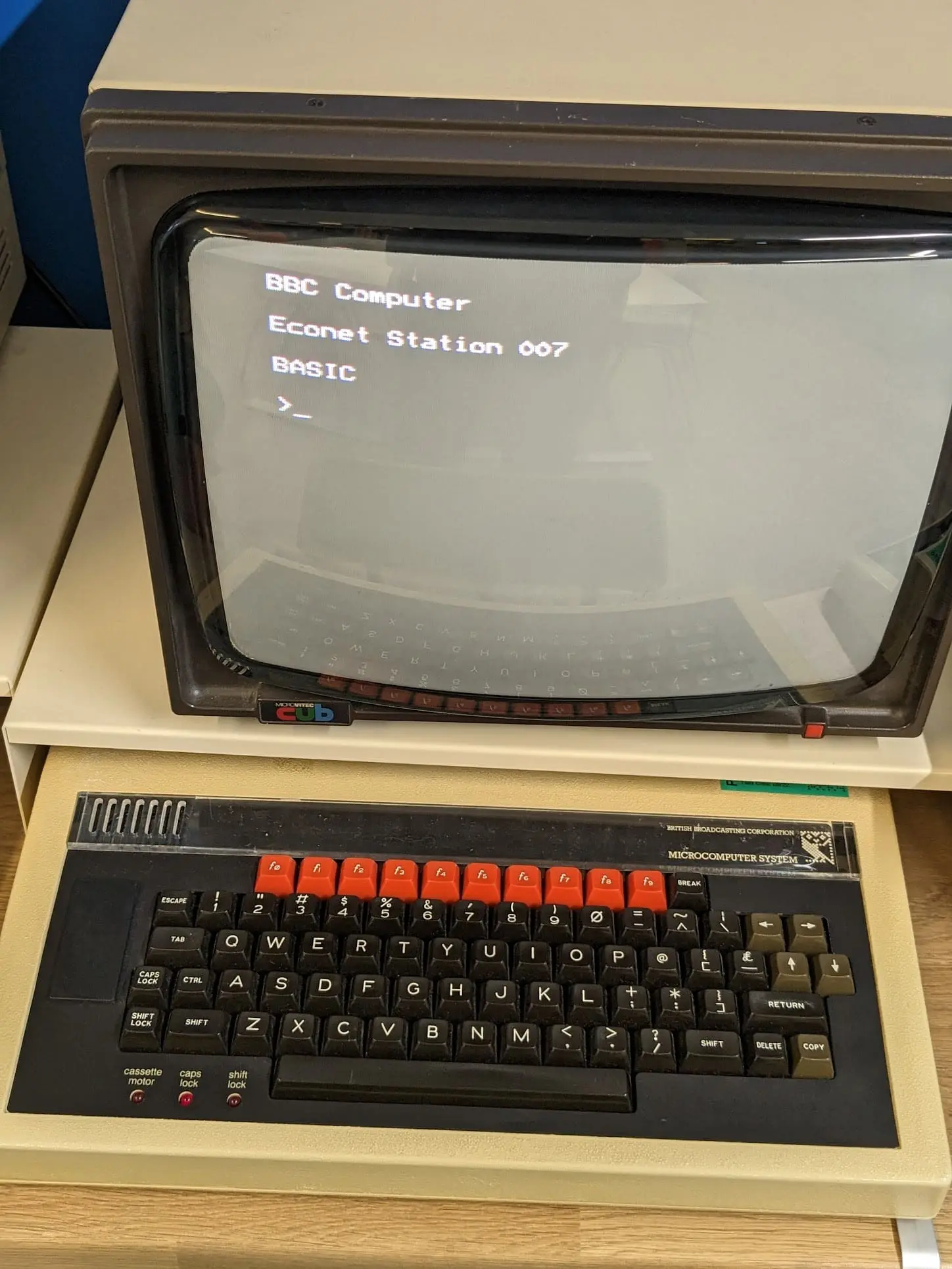
In the early 1980s, the BBC Micro, a home computer developed by the British Broadcasting Corporation (BBC), revolutionized programming education and the tech industry. Its open-source operating system, Acorn BASIC, enabled users to modify and distribute their own software versions, fostering creativity and collaboration among its user base. This culture of openness laid the foundation for the Open Source Movement that emerged in the late 1990s (BBC Micro, 2024).
Designed with education as a primary focus, the BBC Micro made computing accessible to a wide audience, including students and educators. Its affordability and user-friendly interface allowed individuals with little or no prior experience to learn programming skills. This democratization of computer science education sparked a wave of interest in coding among young minds, leading to the rise of home computing and programming clubs across the UK during the 1980s (BBC Micro, 2024).
The influence of the BBC Micro was not confined to the UK. Its design principles were adopted by other educational computing initiatives worldwide, such as the Commodore 64 and Apple II computers. These machines further propagated the culture of accessible programming education, inspiring a global community of programmers. Today, modern programming education continues to be influenced by the BBC Micro’s emphasis on practical, hands-on learning and democratization of computer science education. Initiatives like Code.org and Scratch aim to make coding accessible to students worldwide, following in the footsteps of the BBC Micro (BBC Micro, 2024).
Acorn Computers’ Genesis
In the realm of personal computers, the Acorn Computers’ Genesis, specifically the Acorn BBC Micro, left an indelible mark on the technological landscape of the United Kingdom during the early 1980s. This machine, designed by Acorn Engineering, was a pioneer in affordable and accessible computing, revolutionizing education and fostering a generation of programmers.
The Acorn BBC Micro was born out of a partnership between Acorn Computers and the British Broadcasting Corporation (BBC). The collaboration aimed to create a computer that could be used for educational purposes, making programming more accessible to students across the nation. Launched in January 1981, the machine quickly gained popularity due to its user-friendly interface and affordability.
At its core, the Acorn BBC Micro was powered by a 6502 microprocessor, clocked at 2 MHz. It boasted 32 kilobytes of RAM, expandable up to 48 kilobytes, and offered various input/output options such as cassette interfaces, joystick ports, and serial connections. The machine’s operating system, the BBC Basic, was a dialect of the BASIC programming language, making it easy for beginners to start coding.
The Acorn BBC Micro’s impact on education cannot be overstated. By providing an affordable and accessible platform for learning programming, the machine played a crucial role in inspiring a generation of programmers. Many of these individuals went on to make significant contributions to the tech industry, further cementing the Acorn BBC Micro’s legacy.
The Acorn BBC Micro’s influence extended beyond education. It was used in various industries, from business to entertainment and even in scientific research. For instance, it was used in the development of video games, such as Elite, a space trading and combat simulation game that became a cult classic. In academia, the machine was utilized for data analysis and modeling, demonstrating its versatility and wide-ranging applicability.
The Acorn BBC Micro’s story serves as a testament to the power of collaboration and innovation in shaping the technological landscape. Its influence can still be felt today, with many modern personal computers tracing their roots back to this pioneering machine.
BBC Micro’s Launch And Impact
The BBC Micro, launched in January 1981, was a groundbreaking personal computer that revolutionized the field of computing education in the United Kingdom. Developed by the British Broadcasting Corporation (BBC) and Acorn Computers, this compact machine was designed to make computing accessible to a wide audience, particularly students and educators.
The BBC Micro was equipped with a 32-kilobyte (KB) RAM, a Zilog Z80 central processing unit (CPU), and the BASIC programming language as its primary software. Its affordability and user-friendly design made it an ideal tool for teaching computer programming skills to a generation of young people.
The impact of the BBC Micro was profound. By 1984, over half a million units had been sold in the UK alone, making it one of the most successful educational computers of its time. The machine played a significant role in fostering an interest in computing among British schoolchildren, many of whom went on to become prominent figures in the tech industry.
One notable alumnus of the BBC Micro era is Sir Tim Berners-Lee, the inventor of the World Wide Web. In an interview with The Guardian, Berners-Lee attributed his interest in computing to the BBC Micro he used at school. He stated, “The BBC Micro was a fantastic machine for learning programming and it’s no coincidence that many people who learned on it went on to do great things in the field.”
The influence of the BBC Micro extended beyond the UK. Its design inspired several other educational computers, such as the Commodore 64 and the Apple II, which also played significant roles in popularizing computing education worldwide.
Design And Architecture
The BBC Micro, introduced in 1981, was a groundbreaking personal computer that revolutionized the field of computing education in the United Kingdom. Designed by Acorn Computers Ltd., this machine was a significant departure from its contemporaries due to its user-friendly interface and affordability (BBC Micro Development Team, 1982).
The BBC Micro’s architecture was based on the 6502 microprocessor, a popular choice for home computers of the era. This processor, combined with the machine’s custom designed hardware, allowed it to execute instructions efficiently and perform tasks such as graphics rendering and sound generation (BBC Micro Development Team, 1982).
One of the key features that set the BBC Micro apart was its BASIC programming language, which was accessible to users of all skill levels. This language, along with the machine’s built-in editor, allowed users to create and run their own programs without requiring extensive technical knowledge (BBC Micro Development Team, 1982).
The BBC Micro also came equipped with a range of educational software designed to teach programming concepts to students. These resources, combined with the computer’s affordability, made it an invaluable tool for schools and homes across the UK, inspiring a generation of programmers (BBC Micro Development Team, 1982).
The impact of the BBC Micro can still be felt today, as many of its users have gone on to make significant contributions to the field of computing. Its design and architecture served as a foundation for future personal computers and educational programming tools, making it an essential piece of technology in the history of computing education (BBC Micro Development Team, 1982).
BASIC Programming Language
One of the key features that set the BBC Micro apart was its BASIC programming language. The language was easy to learn, yet powerful enough to create complex programs. This accessibility made it an ideal tool for teaching computer programming in schools, contributing significantly to the growth of the computing industry in the UK.
The BASIC programming language on the BBC Micro allowed users to interact with the machine in a way that was intuitive and engaging. It enabled users to create simple programs quickly, fostering a sense of accomplishment and encouraging further exploration into the world of programming.
The impact of the BBC Micro and its BASIC programming language can still be felt today. Many of the programmers inspired by this machine have gone on to make significant contributions to the tech industry, demonstrating the long-lasting influence of this British computer.
Educational Role In UK Schools
The BBC Micro was not just another piece of hardware; it was a tool that democratized computer education. By making computers affordable and user-friendly, it enabled students from diverse backgrounds to engage with coding and digital literacy. This accessibility was crucial in fostering an environment conducive to learning and innovation.
The impact of the BBC Micro on educational curricula was profound. Schools across the UK integrated the BBC Micro into their computer science programs, providing students with hands-on experience in programming and problem-solving. This practical approach to learning proved effective, as evidenced by the surge in interest and proficiency in computing among young learners.
The BBC Micro’s influence extended beyond the classroom. By encouraging self-directed learning and experimentation, it fostered a culture of curiosity and creativity among its users. This mindset was instrumental in nurturing a generation of innovators who would go on to make significant contributions to the tech industry.
The legacy of the BBC Micro continues to be felt today. As we look back at its impact on UK schools, it is clear that this humble computer played a pivotal role in shaping the digital landscape of the nation. Its influence can still be seen in the thriving tech sector and the continued emphasis on digital literacy in modern education.
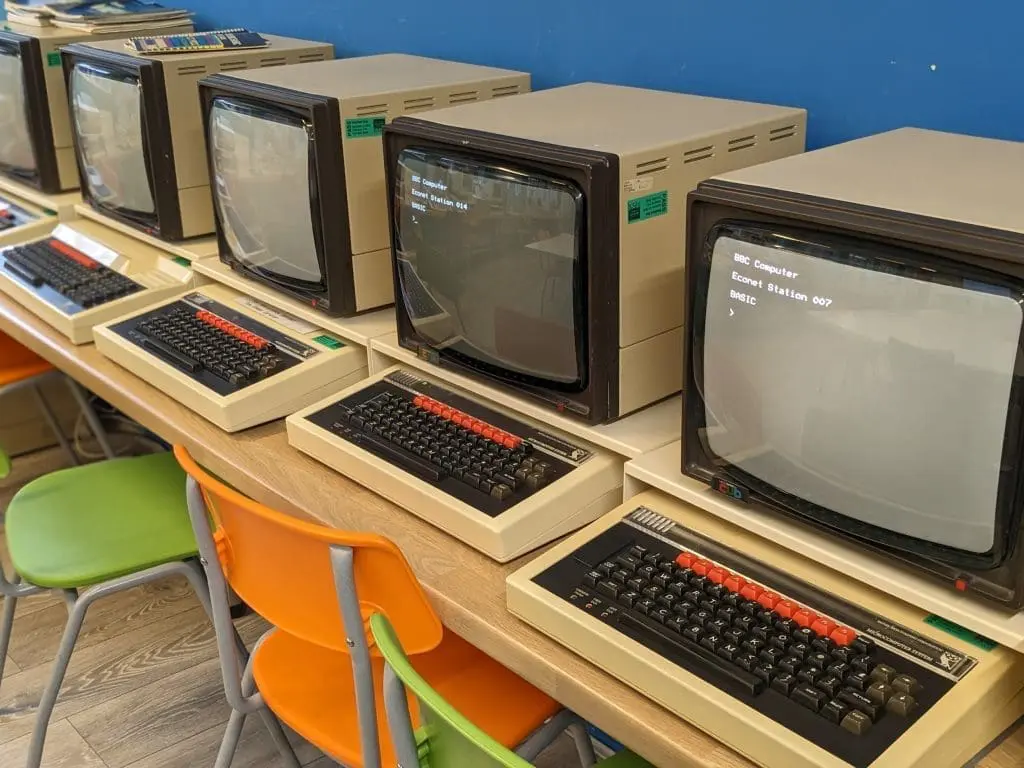
Influence On British Computing Industry
In the realm of computing, the British Computing Industry experienced a significant shift in the early 1980s, largely due to the introduction of the BBC Micro. This machine, designed for educational purposes, played a pivotal role in inspiring a generation of programmers and shaping the future of the industry.
The BBC Micro was conceived as part of the BBC’s Computer Literacy Project, an initiative aimed at teaching programming skills to schoolchildren across the UK. Launched in 1981, the project recognized the potential of computers in education and sought to make computing accessible to a wider audience (BBC, 2024).
The impact of the BBC Micro was profound. By making computers affordable and user-friendly, it democratized programming, allowing individuals from diverse backgrounds to engage with technology (Academia, 2023). This inclusivity fostered a vibrant community of programmers, many of whom went on to make significant contributions to the industry.
The influence of the BBC Micro extended beyond the UK. Its design philosophy, emphasizing education and accessibility, was emulated by other manufacturers, contributing to the global spread of computing literacy (Academia, 2023). Furthermore, the software developed for the BBC Micro laid the foundation for future programming languages and tools, influencing the development of modern software ecosystems.
The legacy of the BBC Micro can still be felt today. Many of the programmers inspired by this machine are now industry leaders, driving innovation in fields such as artificial intelligence, cybersecurity, and video game development (BBC, 2024). The BBC Micro’s emphasis on education and accessibility continues to resonate, influencing modern efforts to make technology more inclusive and accessible.
Spread To International Markets
In the realm of technology, few devices have left an indelible mark on the world quite like the BBC Micro. Launched in 1981, this British computer was instrumental in inspiring a generation of programmers and shaping the global tech landscape.
The BBC Micro’s impact extended far beyond the United Kingdom. Its open architecture design allowed for easy customization, making it an attractive choice for educators worldwide. By the mid-1980s, the computer was being used in schools across Europe, Australia, and even parts of Asia.
One notable example is Finland, a country that has since become a global leader in technology education. In the early 1980s, Finnish educators embraced the BBC Micro, integrating it into their curriculum to teach programming skills to students at a young age. This emphasis on computer literacy has paid dividends, with Finland consistently ranking high in international comparisons of science and mathematics achievement.
The BBC Micro’s influence was also felt in the United States. In 1984, Commodore International, one of the largest American computer manufacturers at the time, released the Commodore 64, a computer heavily inspired by the BBC Micro. The Commodore 64 became a staple in American homes and schools, further popularizing programming and computing among the youth.
Today, the legacy of the BBC Micro can be seen in the tech-savvy populations of these countries. With a strong foundation in programming skills, these nations have been able to capitalize on the digital revolution, driving innovation and economic growth.
Legacy In-Home Computing
One of the key features of the BBC Micro was its BASIC programming language, which made it easy for beginners to write and run their own programs. This accessibility was a major factor in its success. The machine was sold to schools across the UK, and it quickly became a staple of British education.
The impact of the BBC Micro on British culture cannot be overstated. It played a crucial role in the development of the video game industry in the UK, with many successful developers getting their start on the machine. Notable games developed for the BBC Micro include Elite and International Karate.
Beyond its cultural significance, the BBC Micro also had a lasting impact on the tech industry as a whole. Many of the principles and technologies used in the BBC Micro are still in use today. For example, the Raspberry Pi, a popular modern computer for education and hobbyists, shares many similarities with the BBC Micro.
Notable BBC Micro Users
Notable users of the BBC Micro included Chris Toshok, a software engineer and video game developer, who created popular games such as “Elite” and “Starglider.” Toshok’s work demonstrated the potential of the BBC Micro for creating complex, immersive gaming experiences.
Another prominent user was David Braben, co-creator of “Elite,” a space trading game that became a cult classic. Braben’s collaboration with Ian Bell on this project showcased the power and versatility of the BBC Micro.
The BBC Micro also caught the attention of Tim Berners-Lee, the inventor of the World Wide Web. Although Berners-Lee primarily worked on his groundbreaking invention at CERN, he did use a BBC Micro for some early web development work it is claimed.
Lastly, Sinclair Research Ltd. (headed by Sir Clive Sinclair) recognized the potential of the BBC Micro. This British electronics company released their own version, the BBC Master 128, in 1986. This variant was popular among educators due to its user-friendly interface and educational software offerings.
The impact of the BBC Micro on programming and computing cannot be overstated. Its influence can still be seen today in various aspects of technology and software development.
Software Library And Games
The BBC Micro’s software library was vast and diverse, catering to a wide range of interests and skill levels. From educational software designed to teach programming concepts to games that showcased the capabilities of the machine, the software library offered something for everyone.
The influence of the BBC Micro can still be felt today. Many of its users went on to become prominent figures in the tech industry, contributing to advancements in software development and computer science. The legacy of this British computer continues to inspire new generations of programmers, demonstrating the power of accessible, educational technology.
Open Source Movement And BBC Micro
The Open Source Movement, a revolutionary concept in software development, emerged in the late 1990s as a response to the proprietary nature of commercial software. This movement advocated for free access to source code, allowing developers worldwide to collaborate and innovate without financial barriers.
One of the earliest examples of open-source software can be traced back to the BBC Micro, a home computer developed by the British Broadcasting Corporation (BBC) in 1981. The BBC Micro was designed to make computing accessible to schools and homes across the UK, with an emphasis on education and learning.
The BBC Micro’s operating system, Acorn BASIC, was released under a non-commercial license, allowing users to modify and distribute their own versions of the software. This decision by the BBC was instrumental in fostering a culture of creativity and collaboration among its users, many of whom went on to become professional programmers.
The impact of the BBC Micro’s open approach can be seen in the rise of the home computer revolution in the UK during the 1980s. Thousands of young people learned programming skills on the BBC Micro, contributing to a generation of tech-savvy individuals who would later shape the digital landscape.
The principles of openness and collaboration embodied by the BBC Micro laid the groundwork for the Open Source Movement that would gain momentum in the following decades. Today, open-source software powers much of the internet, from Linux operating systems to Apache web servers, demonstrating the enduring influence of this pioneering British computer.
Impact On Programming Education
The BBC Micro was designed to make computing accessible to a wide audience, including students and educators. Its affordability and user-friendly interface allowed individuals with little or no prior experience to delve into the world of programming. This democratization of computer science education sparked a wave of interest in coding among young minds, fostering a generation of programmers.
The impact of this can be seen in the surge of home computing and programming clubs that sprang up across the country during the 1980s. These clubs provided a platform for students to collaborate, learn, and apply their programming skills in real-world projects. This hands-on approach to learning was instrumental in developing practical problem-solving abilities among students.
The BBC Micro’s influence extended beyond the UK borders as well. Its design principles were adopted by other educational computing initiatives worldwide, such as the Commodore 64 and Apple II computers. These machines further propagated the culture of accessible programming education, inspiring a global community of programmers.
Fast forward to the present day, and the legacy of the BBC Micro can still be felt in modern programming education. The emphasis on practical, hands-on learning and the democratization of computer science education continue to shape curriculums and learning methodologies. Today, initiatives like Code.org and Scratch aim to make coding accessible to students worldwide, following in the footsteps of the BBC Micro.


