

The cosmos has long been a subject of fascination, with scientists continually seeking to unravel its mysteries and understand the intricate dance of celestial bodies. A recent accolade bestowed upon Adam Leroy, a professor of astronomy at The Ohio State University, highlights the importance of characterizing the interstellar medium, the gas and dust that fills the space between stars, in advancing our comprehension of the universe’s composition and history.
The prestigious Henry Draper Medal, awarded by the National Academy of Sciences, recognizes Leroy’s pioneering efforts in elucidating the physical nature of this medium and its relationship to star formation in nearby galaxies, thereby shedding light on the complex ecosystem that governs the birth and evolution of stars. By leveraging cutting-edge technology, including specialized telescopes and collaborative projects like the PHANGS-ALMA survey, researchers are now able to peer into the interstellar medium with unprecedented detail, gaining valuable insights into the fundamental physics underlying galaxy evolution and the formation of celestial structures.
Introduction to the Henry Draper Medal and Adam Leroy’s Achievement
The National Academy of Sciences has awarded the 2025 Henry Draper Medal to Adam Leroy, a professor of astronomy at The Ohio State University. This prestigious award recognizes individuals who have made significant contributions to astronomical physics, with a focus on recent, original investigations that have substantially advanced our understanding of the universe. The Henry Draper Medal is the oldest medal awarded by the National Academy of Sciences and is given every four years. Leroy’s work was selected for its groundbreaking efforts in characterizing the physical nature of the interstellar medium and its relationship to star formation in nearby galaxies.
The interstellar medium, which consists of gas and dust between stars, plays a crucial role in the formation of new stars and the evolution of galaxies. By studying this material, scientists can gain insights into the composition and history of the universe. Leroy’s research has utilized cutting-edge technology, including special telescopes that allow for the study of radio and infrared light, to peer into the interstellar medium directly. This has enabled him to make new observations that answer questions that have been puzzling astronomers for decades.
Leroy’s achievement is a testament to the importance of interdisciplinary collaboration and the use of advanced technology in astronomical research. His work has built upon previous studies and has paved the way for future investigations into the nature of the interstellar medium and its role in star formation. The recognition of Leroy’s contributions by the National Academy of Sciences highlights the significance of his research and its potential to advance our understanding of the universe.
The Interstellar Medium and Star Formation
The interstellar medium is a complex ecosystem that links past and future generations of stars. It is composed of gas and dust that fills the space between stars in galaxies, often containing primordial leftovers from the beginnings of the universe. This material serves as the fuel for future star formation, making it a crucial research target for many fields of astronomy. By studying the interstellar medium, scientists can gain insights into the processes that govern star formation and the evolution of galaxies.
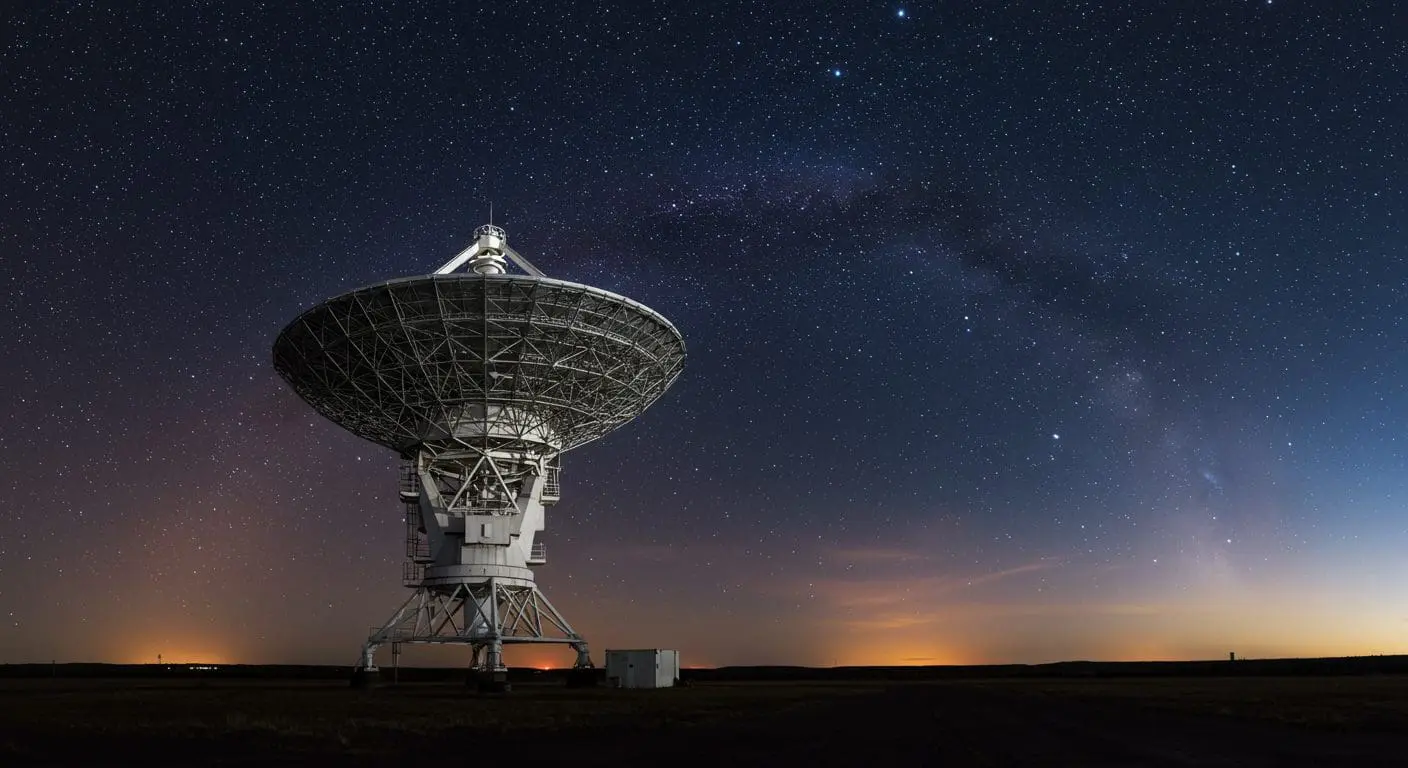
Leroy’s research has focused on characterizing the physical nature of the interstellar medium in nearby galaxies. Using data from telescopes such as the Atacama Large Millimeter/submillimeter Array (ALMA) and the Very Large Array (VLA) Radio Telescope, he has been able to map the gas, dust, and newly born stars in these galaxies with unprecedented detail. This has allowed him to investigate the relationship between the interstellar medium and star formation, providing new insights into the core physics behind galaxy evolution.
The PHANGS-ALMA project, which Leroy co-founded, has played a key role in his research. This project has mapped the gas, dust, and newly born stars for over 100,000 stellar nurseries across nearly 100 galaxies, providing a comprehensive view of the cosmic ecosystem. By combining data from ALMA with observations from other telescopes, such as the Hubble Space Telescope and the James Webb Space Telescope, Leroy and his team have been able to build an observational basis that informs our understanding of how galaxies turn their gas into stars.
The Significance of Adam Leroy’s Research
Leroy’s research has significant implications for our understanding of the universe. By studying the interstellar medium and star formation, he has provided new insights into the processes that govern galaxy evolution. His work has also highlighted the importance of interdisciplinary collaboration and the use of advanced technology in astronomical research. The recognition of Leroy’s contributions by the National Academy of Sciences is a testament to the significance of his research and its potential to advance our understanding of the universe.
Many previous recipients of the Henry Draper Medal have gone on to make further significant contributions to their fields, with six recipients being honored with a National Medal of Science and nine recipients winning the Nobel Prize in Physics. Leroy’s achievement is likely to have a lasting impact on the field of astronomy, inspiring future generations of researchers to explore the mysteries of the universe.
The cash prize of $25,000 that accompanies the Henry Draper Medal will be used by Leroy to support further collaboration with international colleagues, including other members of the PHANGS-ALMA team. This will enable him to continue his research and build upon his existing work, potentially leading to new breakthroughs in our understanding of the universe.
The Collaborative Environment at Ohio State University
Leroy has praised the collaborative and supportive scientific environment at Ohio State University, which he believes has played a key role in his success. The university’s astronomy department is world-famous for its invigorating and supportive atmosphere, making it an ideal place to conduct cutting-edge research. Leroy’s achievement is a testament to the quality of research being conducted at Ohio State University and highlights the importance of providing a supportive environment for researchers to thrive.
The recognition of Leroy’s contributions by the National Academy of Sciences is not only a personal achievement but also a reflection of the university’s commitment to excellence in research. The award is likely to have a positive impact on the university, attracting new talent and resources to the astronomy department and further solidifying its reputation as a leader in astronomical research.
In conclusion, Adam Leroy’s achievement is a significant milestone in the field of astronomy, recognizing his groundbreaking contributions to our understanding of the interstellar medium and star formation. His research has the potential to advance our knowledge of the universe, inspiring future generations of researchers to explore the mysteries of the cosmos. The collaborative environment at Ohio State University has played a key role in Leroy’s success, highlighting the importance of providing a supportive atmosphere for researchers to thrive.
External Link: Click Here For More


