

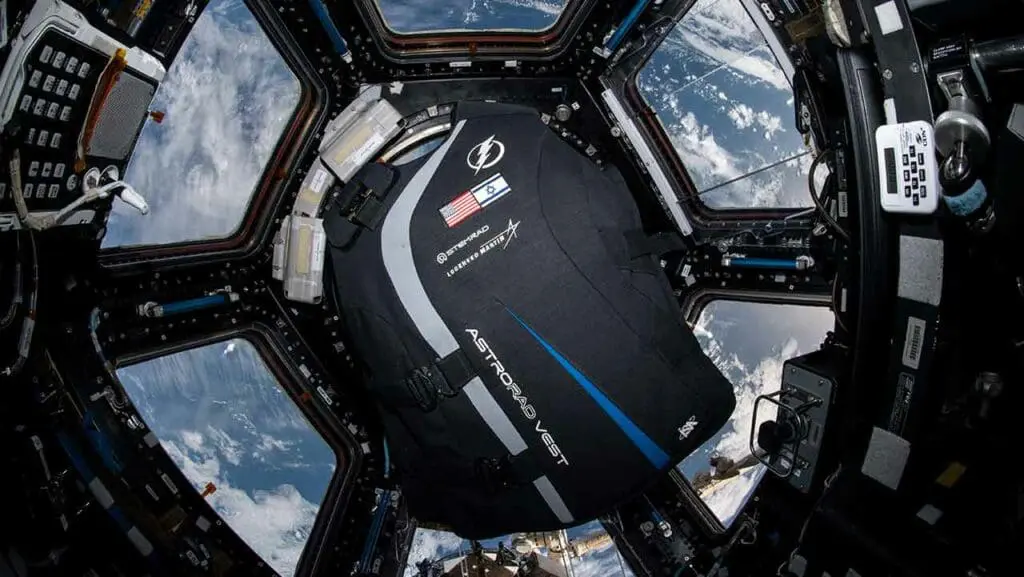
A pioneering wearable technology designed to protect astronauts from harmful solar radiation during deep space missions has been developed through a collaboration between StemRad and Lockheed Martin. The AstroRad vest employs high density polymers to selectively shield vital organs most vulnerable to radiation exposure, addressing cancer and radiation sickness risks. NASA astronaut Kayla Barron, who evaluated the vest on the space station, describes it as like a gravity blanket in space, noting the balance it aims to strike between protection and mobility.
Oren Milstein, CEO at StemRad, highlights the significance of leveraging the microgravity environment provided by the International Space Station National Lab, which allowed for testing of the vest in a real space environment.
The development of the AstroRad vest involved extensive collaboration with engineer Kat Coderre, deputy manager for deep space exploration advanced programs at Lockheed Martin, and has undergone significant enhancements through testing on the ISS National Lab and during the Artemis I mission.
Introduction to Wearable Technology in Space Exploration
The development of wearable technology has become a crucial aspect of space exploration, particularly in deep-space missions where astronauts are exposed to harmful solar radiation. The AstroRad vest, a pioneering wearable technology, has been designed to safeguard astronauts from such radiation, and its development has been facilitated through a collaboration between StemRad and Lockheed Martin. The vest has undergone extensive testing through the International Space Station (ISS) National Lab, leading to significant enhancements in its design and functionality. This article will delve into the details of the AstroRad vest, its development, and its significance in advancing astronaut safety.
The AstroRad vest employs high-density polymers to selectively shield vital organs most vulnerable to radiation exposure, addressing cancer and radiation sickness risks. The vest’s design aims to strike a balance between protection and mobility, allowing astronauts to move freely while maintaining adequate protection from harmful radiation. NASA astronaut Kayla Barron, who evaluated the vest on the space station, described it as “like a gravity blanket in space,” highlighting its effectiveness in providing a sense of security and comfort in a microgravity environment.
The development of the AstroRad vest involved extensive collaboration between StemRad, Lockheed Martin, and the ISS National Lab. The team utilized the microgravity environment of the ISS to test the vest, which allowed them to refine its design and functionality. Oren Milstein, CEO at StemRad, emphasized the significance of leveraging the microgravity environment, stating that it “allowed us to test the vest in a real space environment and laid the groundwork for other collaborations and tests, where we could take the concept even further.” The vest’s development is a testament to the importance of collaboration and innovation in advancing space exploration.
The AstroRad vest has undergone rigorous testing, including during the Artemis I mission, which furthered its role in advancing human space exploration. The vest represents a critical advancement in astronaut safety, paving the way for deeper space exploration. As the space industry continues to evolve, the development of wearable technology like the AstroRad vest will play a vital role in ensuring the safety and well-being of astronauts on long-duration missions.
The Importance of Microgravity Environment in Space Research
The microgravity environment of the ISS has proven to be a valuable resource for space research, allowing scientists to study phenomena that are not possible on Earth. The ISS National Lab provides access to this unique environment, enabling researchers to conduct experiments and test technologies that can benefit humanity. The AstroRad vest is just one example of how the microgravity environment has facilitated innovation in space exploration. By leveraging the microgravity environment, researchers can gain valuable insights into the behavior of materials and systems, which can inform the development of new technologies.
The microgravity environment also allows scientists to study the effects of radiation on living organisms, which is crucial for understanding the risks associated with deep-space missions. The ISS National Lab has facilitated numerous studies on radiation exposure, providing valuable data that can inform the development of protective measures like the AstroRad vest. Furthermore, the microgravity environment enables researchers to test the efficacy of various materials and technologies in mitigating radiation effects, which can help to develop more effective protection strategies for astronauts.
The significance of the microgravity environment extends beyond space research, as it also has implications for advancing science literacy and education. By providing access to a unique and extreme environment, the ISS National Lab can inspire future generations of scientists and engineers, fostering a deeper understanding of the importance of space exploration and its potential benefits for humanity. As the space industry continues to evolve, the microgravity environment will remain a vital resource for advancing our knowledge of space and developing innovative technologies.
Collaboration and Innovation in Space Exploration
The development of the AstroRad vest is a testament to the power of collaboration and innovation in space exploration. The partnership between StemRad, Lockheed Martin, and the ISS National Lab demonstrates how different organizations can come together to achieve a common goal, leveraging their unique expertise and resources to drive innovation. This collaborative approach has been instrumental in advancing astronaut safety, as it has enabled the development of cutting-edge technologies like the AstroRad vest.
The importance of collaboration extends beyond the development of specific technologies, as it also facilitates the sharing of knowledge and expertise across different disciplines. By working together, researchers and engineers can gain a deeper understanding of the complex challenges associated with space exploration, developing more effective solutions to address these challenges. Furthermore, collaboration can help to accelerate the pace of innovation, as different organizations can build upon each other’s discoveries and advancements.
The ISS National Lab has played a critical role in facilitating collaboration and innovation in space research, providing a platform for researchers from diverse backgrounds to come together and share their expertise. As a public service enterprise, the ISS National Lab is committed to advancing science literacy and education, inspiring future generations of scientists and engineers to pursue careers in space exploration. By fostering a culture of collaboration and innovation, the ISS National Lab can help to drive progress in space research, ultimately benefiting humanity.
Advancing Astronaut Safety through Wearable Technology
The development of wearable technology like the AstroRad vest has significant implications for advancing astronaut safety. By providing a personal protective system that can shield astronauts from harmful radiation, the AstroRad vest can help to mitigate the risks associated with deep-space missions. This is particularly important, as astronauts on long-duration missions are exposed to high levels of radiation, which can increase their risk of developing cancer and other health problems.
The AstroRad vest is just one example of how wearable technology can be used to advance astronaut safety. Other technologies, such as smart suits and wearable sensors, can also provide valuable insights into an astronaut’s physical and mental state, enabling more effective monitoring and support. By leveraging these technologies, space agencies and private companies can develop more comprehensive strategies for protecting astronauts’ health and well-being, ultimately ensuring the success of deep-space missions.
The development of wearable technology for astronaut safety also has implications for advancing our understanding of the human body in space. By studying how the body responds to different types of radiation and other environmental stressors, researchers can gain valuable insights into the effects of space travel on human health. This knowledge can inform the development of more effective countermeasures, such as protective gear and medical treatments, which can help to mitigate the risks associated with space exploration.
Conclusion
The AstroRad vest is a pioneering wearable technology that has been designed to safeguard astronauts from harmful solar radiation. Its development has been facilitated through a collaboration between StemRad, Lockheed Martin, and the ISS National Lab, demonstrating the power of innovation and collaboration in advancing space exploration. The vest’s significance extends beyond its functional purpose, as it also represents a critical advancement in astronaut safety, paving the way for deeper space exploration.
The microgravity environment of the ISS has played a vital role in facilitating the development of the AstroRad vest, allowing researchers to test and refine its design. The importance of collaboration and innovation in space research cannot be overstated, as it enables the sharing of knowledge and expertise across different disciplines, driving progress and accelerating the pace of discovery.
As the space industry continues to evolve, wearable technology like the AstroRad vest will play a vital role in ensuring the safety and well-being of astronauts on long-duration missions. By advancing our understanding of the human body in space and developing more effective countermeasures, researchers can help to mitigate the risks associated with space exploration, ultimately benefiting humanity. The development of the AstroRad vest is a testament to the power of human ingenuity and collaboration, inspiring future generations of scientists and engineers to pursue careers in space exploration.
External Link: Click Here For More


