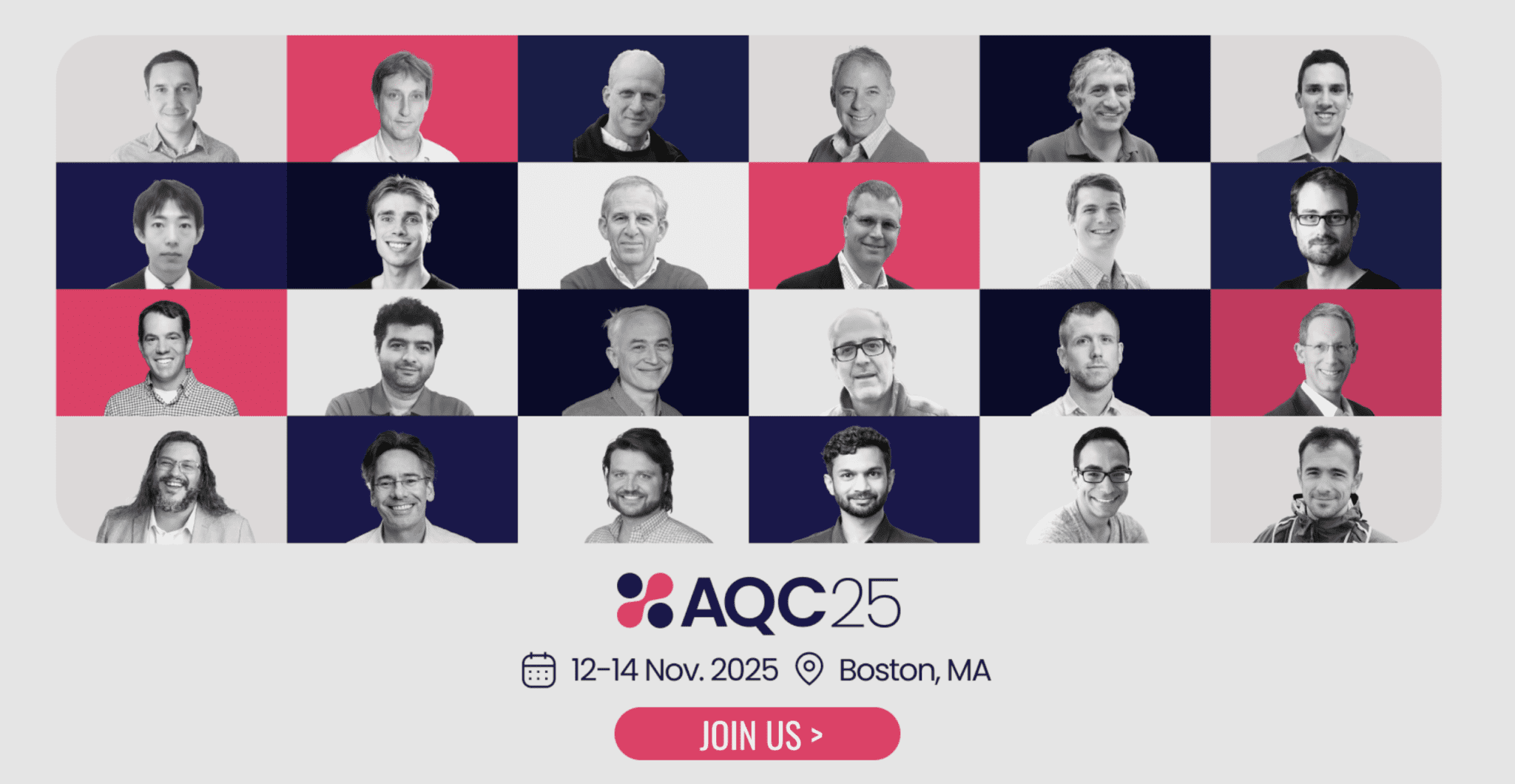
Quantum computing is moving from laboratory curiosity to a field where real‑world applications begin to emerge. The latest sign of that shift is the announcement of the Adaptive Quantum Circuits 2025 conference, or AQC25, set to convene in Boston from 12 to 14 November. The event will bring together more than 150 participants from academia, national laboratories, startups, and industry giants such as IBM, Google, AWS, and Nvidia to showcase how adaptive quantum circuits,hybrid programs that adjust in real time based on mid‑circuit measurements,are accelerating progress in calibration, error correction and algorithmic performance.
The Rise of Adaptive Quantum Circuits
Adaptive quantum circuits represent a departure from the static, pre‑programmed sequences that dominated early demonstrations. By inserting conditional logic and classical feedback loops into a quantum algorithm, the processor can respond to errors on the fly, optimise gate parameters during execution, and even switch between different sub‑routines depending on measurement outcomes. The result is a system that can maintain coherence longer, correct errors more efficiently, and achieve higher fidelity in fewer shots. In practice, this translates to faster calibration routines, more reliable quantum simulations, and the possibility of running more complex algorithms on noisy intermediate‑scale quantum devices. The conference will feature keynotes that illustrate these advances, such as demonstrations of real‑time error suppression on superconducting qubits and adaptive subroutine selection in photonic processors.
Bringing Theory to Practice: Industry and Academia Collide
AQC25 is not only a showcase of theoretical breakthroughs; it is a marketplace for practical solutions. Quantum Machines, the organisers, specialises in hybrid control software that bridges quantum hardware and classical processors, a technology that is essential for implementing adaptive circuits. Their platform, designed to work with any processor type, promises to reduce the friction that has historically slowed experimentation. The conference will host interactive poster sessions where researchers can display live results, and an expanded exhibition floor will feature live demonstrations from sponsors such as Q-CTRL, Rigetti, and HPE. Participants will also benefit from networking events, including a welcome cocktail reception and a Pizza & Beer Night, designed to foster informal collaborations between theorists, experimentalists, and engineers. By bringing together a diverse set of stakeholders,MIT, Yale, USC, Google Quantum AI, and Amazon Braket, among others,the event aims to accelerate the transition of adaptive techniques from proof‑of‑concept to production‑ready tools.
A Global Gathering of Minds and Machines
The conference’s programme reflects the breadth of the field. Keynote speakers include Charles Marcus from the University of Washington, Sam Stanwyck of Nvidia, and Michel Devoret, a pioneer in superconducting qubits. Other notable presenters are Pedram Roushan and Volodymyr Sivak from Google, William Oliver and Vladan Vuletic from MIT, and Robert Schoelkopf from Yale. The scientific committee also features experts from UC Berkeley, Qolab, Fujitsu, IBM Quantum, Rigetti, and several European institutions, ensuring a comprehensive view of the state of the art. The poster competition, open until 5 October, will award a prize and a speaking slot to the winning submission, encouraging fresh ideas and early‑career researchers to contribute. Sponsors such as Applied Materials, AWS, and QuantWare will provide exhibition space, offering a glimpse into the hardware and software ecosystems that support adaptive quantum computing.
Looking Ahead
As quantum processors grow in qubit count and coherence, adaptive circuits will become increasingly vital. They offer a practical pathway to mitigate noise without demanding the full overhead of traditional quantum error correction codes. By integrating real‑time feedback and conditional logic, these circuits can push current devices closer to the thresholds required for useful, large‑scale computation. AQC25’s gathering of talent and technology signals a turning point: the community is no longer debating the feasibility of adaptive methods; it is actively building the infrastructure to deploy them at scale. The next few years will likely see adaptive strategies move from conference halls into commercial quantum services, as companies like IBM and Google integrate them into their cloud offerings. For the broader industry, this evolution promises to unlock new applications,from drug discovery to optimisation problems,making quantum advantage a tangible prospect rather than an abstract goal.