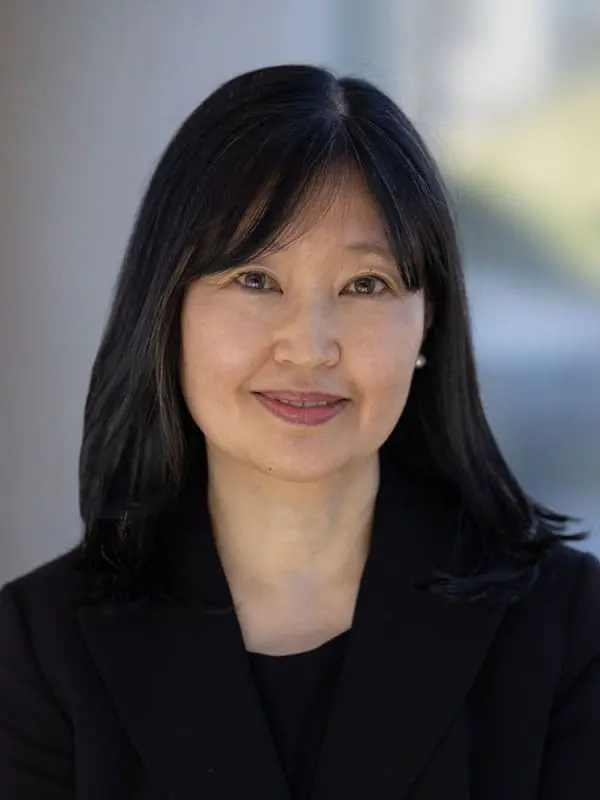
Albert Einstein College of Medicine has launched its Data Science Institute in the Bronx, directed by Mimi Kim, Sc.D., with $7 million from an anonymous donor. The institute aims to advance biomedical research and improve patient care through data-driven approaches, focusing on biostatistics, bioinformatics, and artificial intelligence. It provides collaborative opportunities, training programs, and support services for researchers. Current projects include analyzing electronic health records to predict health outcomes and using machine learning to develop risk calculators.
Albert Einstein College of Medicine has announced the appointment of Dr. Mimi Kim as the director of its Data Science Institute, a position that underscores her expertise in integrating advanced computational methods with medical research. Under her leadership, the institute will focus on leveraging data science to address complex health challenges through innovative applications of biostatistics, bioinformatics, and machine learning.
The Data Science Institute’s strategic priorities include fostering interdisciplinary collaboration to develop predictive models that enhance disease understanding and improve clinical outcomes. By combining diverse datasets and advanced analytical techniques, the institute aims to generate actionable insights for precision medicine and personalized healthcare solutions.
Dr. Kim’s vision emphasizes translating data into practical applications that benefit patients. Her experience in managing large-scale health studies provides a robust foundation for advancing research initiatives aligned with Einstein’s mission to improve human health through scientific discovery.
Under Dr. Kim’s leadership, the institute will prioritize research projects that leverage cutting-edge computational methods to address pressing healthcare challenges. These efforts will include:
- Predictive Modeling: Developing advanced predictive models to improve disease diagnosis and treatment outcomes.
- Bioinformatics: Utilizing large-scale genomic and proteomic data to uncover novel insights into complex diseases.
- Machine Learning: Applying machine learning algorithms to analyze clinical data and identify patterns that inform personalized treatment strategies.
Dr. Kim’s appointment marks a significant step forward in advancing the role of data science in medical research, ensuring that Einstein remains at the forefront of innovation in healthcare.
More information
External Link: Click Here For More