A groundbreaking study by the University of Dundee has uncovered the potential for Artificial Intelligence to revolutionize care for heart failure patients. Led by Dr. Ify Mordi, Senior Lecturer at the University’s School of Medicine, the project utilized AI to scan heart echo reports and identify optimized treatment regimes for patients who may be on outdated or less effective plans.
By harnessing machine learning to examine health records, the team determined that modern knowledge and medications could improve patient welfare. This innovative approach could tailor treatment for each individual, ensuring they receive optimized care with the potential to improve their quality of life. The study was conducted in collaboration with Red Star AI, a company that developed software capable of scanning “echo reports” and other medical data to determine the best course of treatment. With up to a million people in the UK living with heart failure, this breakthrough could have a significant impact on patient care.
Artificial Intelligence in Heart Failure Treatment: A Potential Revolution
The University of Dundee has conducted a groundbreaking study that explores the potential of Artificial Intelligence (AI) in transforming care for heart failure patients. The project utilized machine learning to examine health records of heart failure patients, determining whether modern knowledge and medications could improve their welfare.
Heart failure is a condition that affects up to a million people in the UK, reducing quality of life and increasing the risk of hospitalization due to symptoms such as breathlessness and fluid build-up. The current treatment plans for these patients may be outdated or less effective, leading to suboptimal care. The Dundee study aimed to identify alternative treatment plans that could improve patient outcomes.
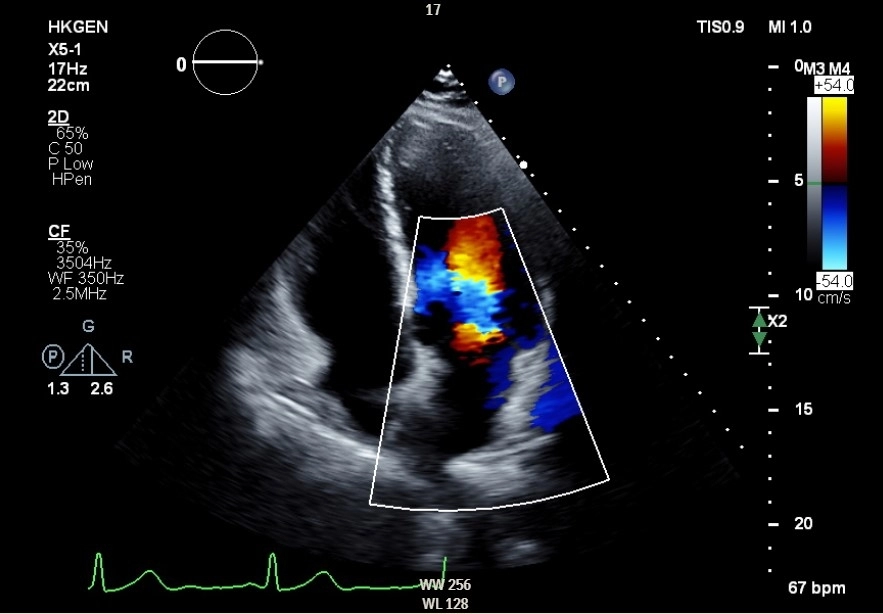
The research team, led by Dr. Ify Mordi, Senior Lecturer at the University of Dundee, worked with Red Star AI to develop software capable of scanning “echo reports,” an ultrasound of the heart, and other medical data to determine what treatment would best benefit each patient. The team then developed personalized treatment plans for patients that led to improvements in quality of life and markers of heart stress.
The sheer number of health records and time required to do this by healthcare staff makes such a process inefficient. However, through this pilot project, the Dundee team was able to determine that AI was able to scan records both quickly and accurately. This has significant implications for patient care, as it could enable clinicians to identify patients who would benefit from more intensive treatment at an earlier stage, potentially preventing deterioration of their condition.
The Role of Machine Learning in Heart Failure Treatment
Machine learning played a crucial role in the Dundee study, enabling the analysis of large quantities of health records and identification of patterns that may not be apparent to human clinicians. The software developed by Red Star AI was capable of scanning echo reports and other medical data to determine what treatment would best benefit each patient.
The use of machine learning in this context has several advantages. Firstly, it enables the rapid analysis of large datasets, which is essential for identifying patterns and trends that may inform treatment decisions. Secondly, it reduces the risk of human error, which can occur when clinicians manually review patient records. Finally, it enables the development of personalized treatment plans that are tailored to individual patients’ needs.
The study’s findings have significant implications for heart failure treatment, as they demonstrate the potential for AI to improve population health at scale. By identifying patients who are not on optimal treatment plans and presenting them to cardiologists, AI can enable clinicians to make more informed decisions about patient care.
The Challenges of Analyzing Healthcare Data
One of the significant challenges in analyzing healthcare data is the sheer volume of records that need to be reviewed. The NHS holds vast quantities of cradle-to-grave data, but this is far more than any single person can understand. Additionally, a lot of healthcare data is held in a free-text format, which is difficult to analyze at scale.
The Dundee study demonstrated that AI can overcome these challenges by rapidly analyzing large datasets and identifying patterns and trends that may inform treatment decisions. The use of machine learning algorithms enabled the software to scan records quickly and accurately, reducing the risk of human error and enabling the development of personalized treatment plans.
The Future of Heart Failure Treatment: Integrating AI into Clinical Practice
The Dundee study’s findings have significant implications for the future of heart failure treatment. By integrating AI into clinical practice, clinicians may be able to identify patients who would benefit from more intensive treatment at an earlier stage, potentially preventing deterioration of their condition.
The use of AI in heart failure treatment also has the potential to improve population health at scale. By analyzing large datasets and identifying patterns and trends that may inform treatment decisions, AI can enable clinicians to make more informed decisions about patient care.
However, there are several challenges that need to be addressed before AI can be fully integrated into clinical practice. Firstly, there is a need for further research to validate the findings of the Dundee study and demonstrate the efficacy of AI in heart failure treatment. Secondly, there is a need for clinicians to develop the skills and knowledge required to work effectively with AI systems.
Despite these challenges, the potential benefits of integrating AI into clinical practice are significant. By improving patient outcomes and reducing healthcare costs, AI has the potential to revolutionize heart failure treatment and improve population health at scale.
External Link: Click Here For More