

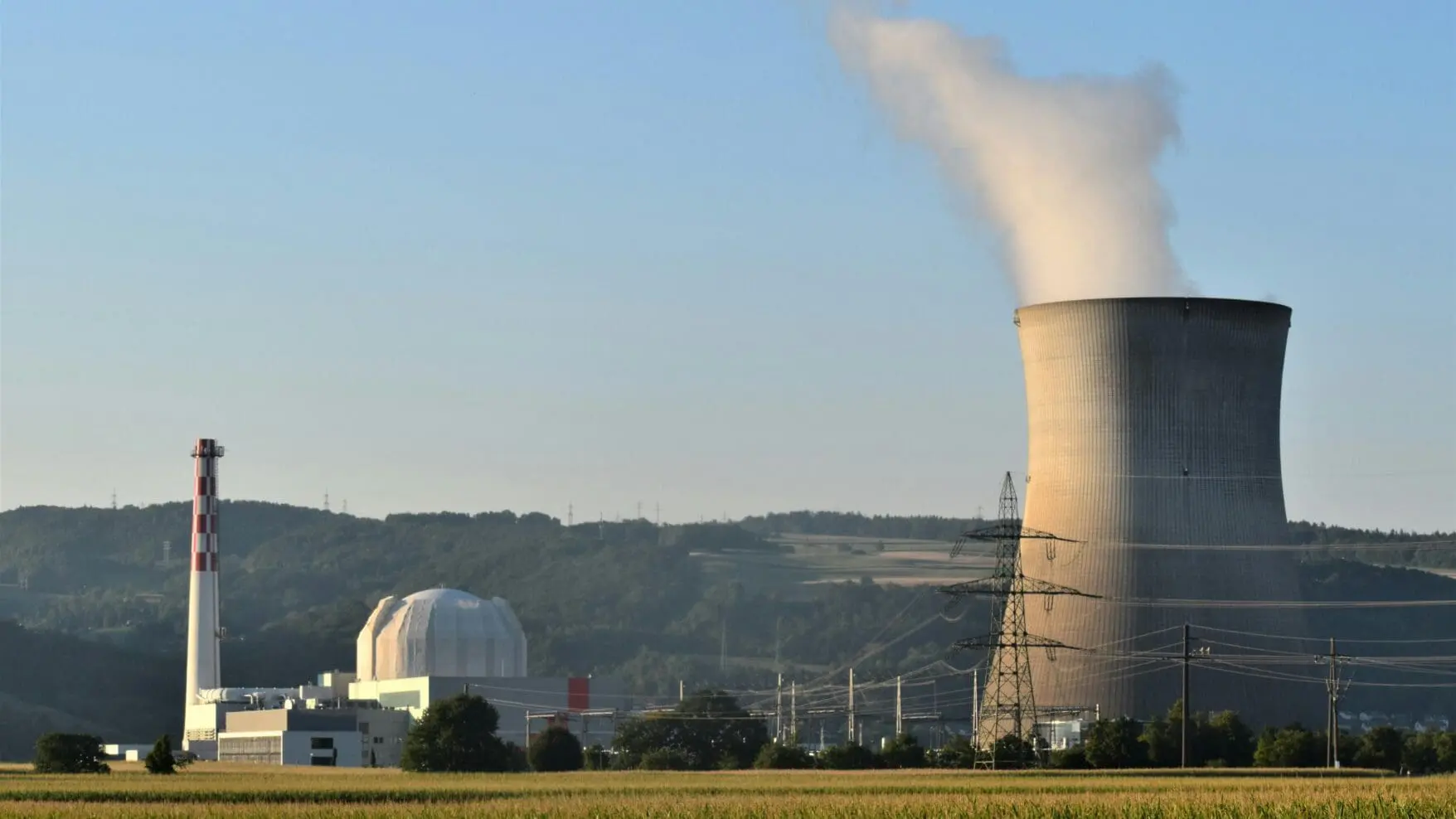
Syed Bahauddin Alam, an assistant professor at the University of Illinois Urbana-Champaign, led a research team in developing an AI-driven method for real-time monitoring of nuclear energy systems, collaborating with experts from the National Center for Supercomputing Applications (NCSA) through the Illinois Computes program. Their approach, utilizing virtual sensors based on DeepONet models, enables predictions of thermal-hydraulic parameters in pressurized water reactors 1,400 times faster than traditional computational fluid dynamics simulations. This advancement, supported by NCSA’s Delta supercomputers and NVIDIA A100 GPUs, enhances nuclear safety by providing accurate monitoring without the need for physical sensors in challenging environments.
Computational methods such as Computational Fluid Dynamics (CFD) face limitations in providing timely insights. These models require substantial time to generate predictions, which is inadequate for real-time monitoring essential in nuclear facilities. Delays in data processing can impede rapid response to emerging problems, increasing risks of accidents or system failures.
Advancements in artificial intelligence (AI), particularly machine learning models like DeepONet, offer innovative solutions. DeepONet functions as virtual sensors, capable of predicting thermal-hydraulic parameters with remarkable speed—over 1,400 times faster than CFD. This capability enables real-time monitoring without the need for physical sensor placement in every critical area.
By integrating AI into nuclear monitoring systems, operators can achieve more comprehensive and timely data analysis. Enhanced predictive capabilities lead to improved safety measures and operational efficiency, ensuring that potential issues are identified and addressed promptly. The application of AI thus represents a significant step forward in overcoming traditional limitations and advancing the reliability of nuclear energy systems.
Introduction to DeepONet Technology
DeepONet technology represents an innovative approach in artificial
DeepONet technology represents an innovative approach in artificial intelligence designed to enhance monitoring systems within complex environments such as nuclear reactors. This technology functions as virtual sensors, capable of predicting critical parameters without the need for extensive physical sensor networks.
The operation of DeepONet is rooted in advanced machine learning techniques, particularly neural networks, which enable it to process and analyze data with remarkable efficiency. By leveraging these methods, DeepONet can generate predictions at a speed far exceeding traditional computational models like CFD, often achieving results over 1,400 times faster.
One of the key advantages of DeepONet lies in its ability to provide comprehensive and accurate monitoring without relying on physical sensors in every critical area. This reduces costs and potential points of failure while maintaining high data integrity. The technology’s precision ensures that even subtle changes in reactor conditions are detected promptly, enhancing overall system reliability.
In the context of nuclear energy, DeepONet is particularly valuable for its application in monitoring thermal-hydraulic parameters. These parameters are crucial for ensuring safe and efficient reactor operations. By enabling real-time analysis and predictive maintenance, DeepONet contributes to preventing potential issues before they escalate, thereby improving both safety and operational efficiency.
Overall, DeepONet’s integration into nuclear energy systems offers a robust solution for overcoming the limitations of conventional monitoring methods, providing a reliable and efficient alternative that supports safer and more effective reactor management.
How Virtual Sensors Work
Virtual sensors, like those implemented in DeepONet technology, operate by leveraging advanced machine learning algorithms to predict critical system parameters without relying on physical sensor data. This approach allows for real-time monitoring of complex environments such as nuclear reactors, where traditional sensing methods may be insufficient or impractical.
DeepONet’s virtual sensors are trained using vast amounts
DeepONet’s virtual sensors are trained using vast amounts of historical data from various sources, including simulations and existing sensor networks. By analyzing this data, the system identifies patterns and correlations that enable accurate predictions of key parameters, such as temperature, pressure, and flow rates. These predictions are generated with remarkable speed—often over 1,400 times faster than traditional computational methods like CFD.
One of the primary advantages of virtual sensors is their ability to fill gaps in data coverage caused by physical sensor limitations. In nuclear reactors, for example, certain areas may be difficult or dangerous to access for sensor installation. Virtual sensors can compensate for these gaps by predicting conditions in these regions based on data from accessible areas and historical trends.
Additionally, virtual sensors reduce the need for extensive physical sensor networks, lowering costs associated with installation, maintenance, and replacement. This streamlined approach enhances system reliability while maintaining high levels of accuracy and precision.
In the context of nuclear energy, DeepONet’s virtual sensors are particularly effective in monitoring thermal-hydraulic parameters, which are critical for ensuring safe and efficient reactor operations. By enabling real-time analysis and predictive maintenance, these virtual sensors help prevent potential issues before they escalate, improving both safety and operational efficiency.
External Link: Click Here For More


