

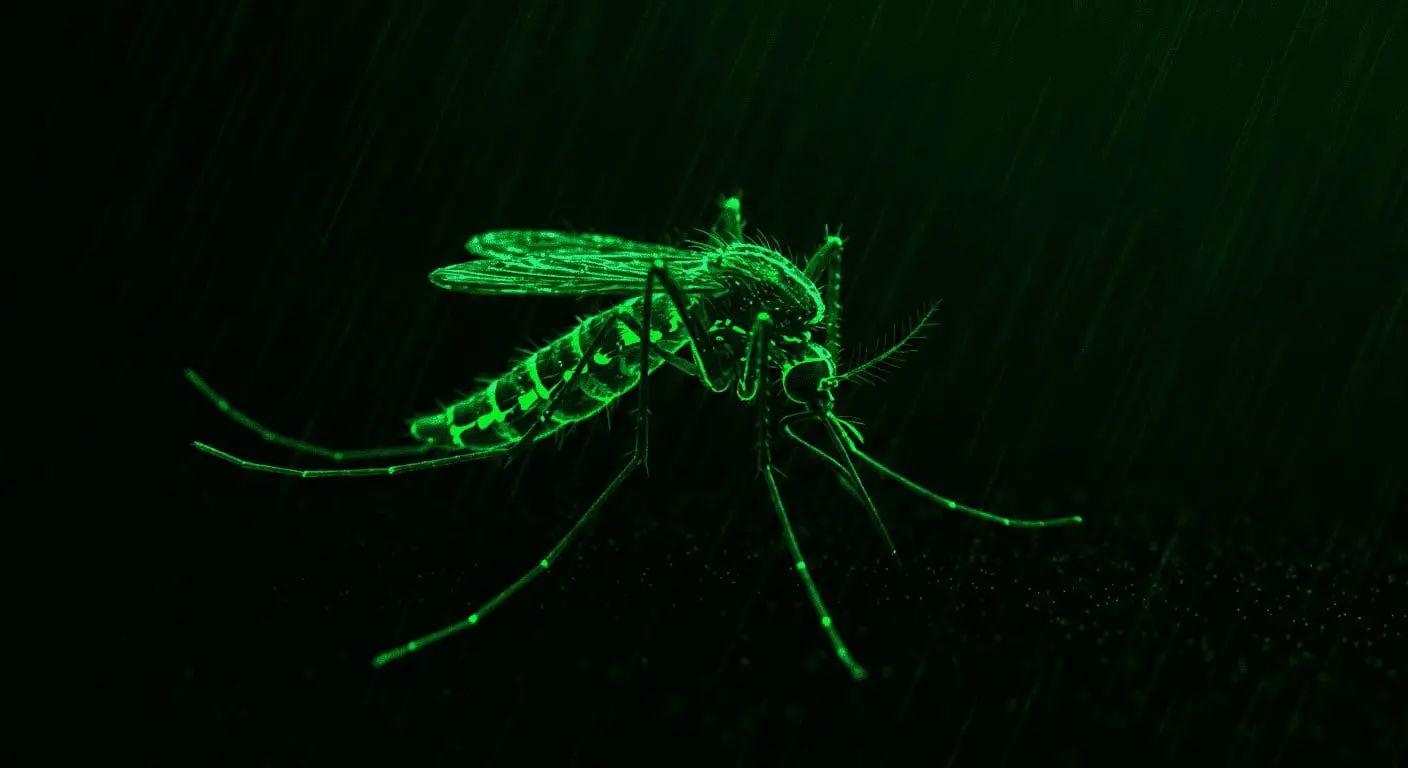
Norah Saarman, an ecologist at Utah State University, is leading an AI-based initiative to develop tools for efficient and accurate identification of Culex mosquito species, which are vectors for diseases like West Nile Virus. With a $54,000 grant from the American Mosquito Association Research Fund, her team aims to combine morphological techniques, DNA testing, and machine learning to address challenges in distinguishing between similar mosquito species, such as the Northern House Mosquito (Culex pipiens) and the Southern House Mosquito (Culex quinquefasciatus), which are both significant disease vectors. Accurate identification is crucial for monitoring mosquito populations, understanding their hybridization, and implementing effective control measures to mitigate the spread of vector-borne diseases in Utah and beyond.
The Importance of Morphology in Taxonomy
Morphology plays a pivotal role in taxonomy by providing the structural basis for classifying organisms. It involves the detailed analysis of physical traits such as wing patterns, body proportions, and other subtle features to distinguish between species. This process is particularly challenging with mosquitoes due to their small size and minimal differences between certain species.
This difficulty is compounded by the fact that specific mosquito species, like Culex tarsalis, are primary vectors for diseases such as West Nile Virus. Precise classification is essential for implementing effective disease control measures. Errors in identification can lead to ineffective interventions, potentially allowing disease transmission to persist or escalate.
Traditional morphological analysis relies on physical traits, but these features can vary due to age, environmental factors, or genetic differences, complicating accurate identification even for experts. This uncertainty hinders efforts to monitor mosquito populations, track disease spread, and manage resistance to larvicides like Bacillus thuringiensis israelensis.
To address these limitations, researchers at Utah State University have developed an AI-based approach that integrates computer vision with machine learning. This system analyzes morphological data from thousands of mosquito images, enabling more accurate and efficient species identification than traditional methods. By automating this process, the technology reduces human error and provides a scalable solution for managing mosquito-borne diseases.
Urbanization and Mosquito Breeding Grounds
Urbanization has significantly influenced mosquito breeding patterns by creating numerous artificial habitats such as storm drains, catch basins, and discarded tires. These environments often provide ideal conditions for mosquitoes to reproduce, particularly species like Culex pipiens and Aedes albopictus, which are known vectors of diseases such as West Nile Virus and dengue fever.
Effective mosquito control in urban areas requires a combination of strategies, including larviciding, adulticiding, and community education. Larvicides, such as Bacillus thuringiensis israelensis (BTI), are commonly used to target mosquito larvae in standing water. However, the emergence of resistance to these chemicals poses a significant challenge to disease control efforts.
To combat resistance, researchers are exploring innovative approaches, including the use of insect growth regulators and biopesticides. Additionally, integrated pest management strategies that combine chemical controls with environmental modifications and biological methods are being implemented to reduce mosquito populations while minimizing ecological impacts.
Larvicide Use and Resistance Management
Larvicides play a critical role in mosquito control programs by targeting larvae before they develop into disease-carrying adults. However, the widespread use of these chemicals has led to the emergence of resistance in some mosquito populations, threatening the effectiveness of current control strategies.
To address this issue, researchers are investigating new larvicide formulations and application methods. For example, slow-release larvicides can maintain effective concentrations over extended periods, reducing the frequency of applications needed. Additionally, the development of biopesticides derived from natural organisms is offering a promising alternative to traditional chemical larvicides.
Public health officials are also emphasizing the importance of integrated approaches that combine larviciding with other control measures such as adulticiding and habitat modification. These strategies aim to reduce mosquito populations while minimizing resistance development and environmental impacts.
In conclusion, effective mosquito control requires a multifaceted approach that leverages advances in technology, biology, and public health practices. By addressing the challenges of resistance and urbanization, researchers and policymakers can work together to protect communities from mosquito-borne diseases.
More information
External Link: Click Here For More


