

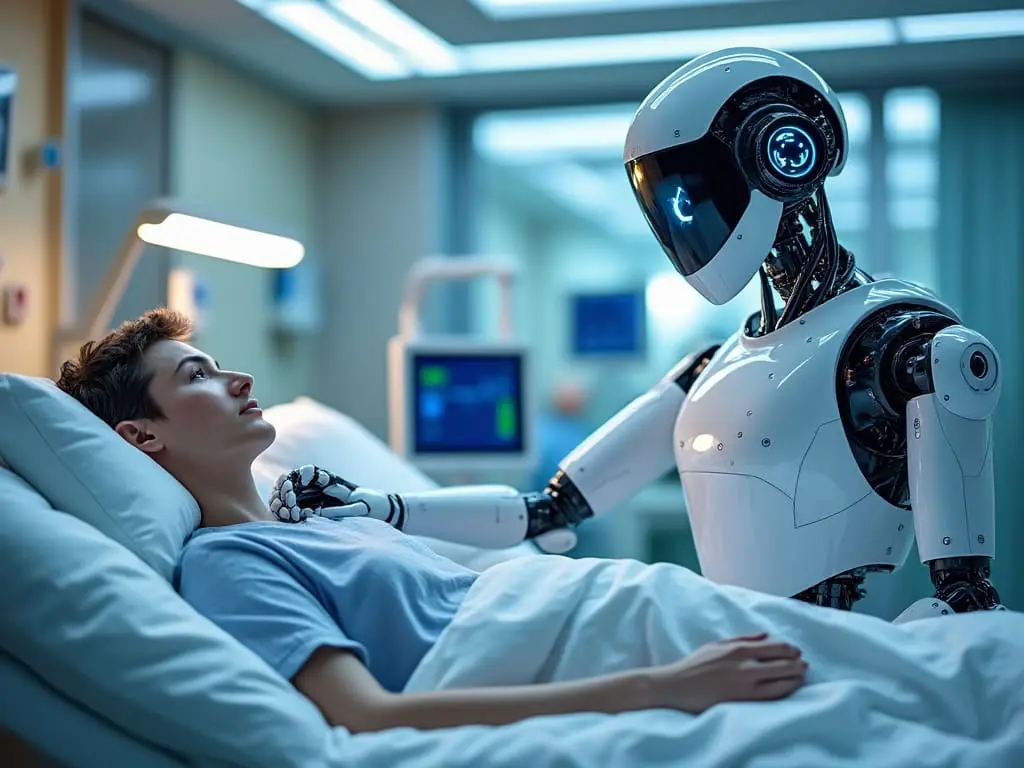
A recent study published in JAMA Network Open has shed light on the potential benefits and limitations of using artificial intelligence, specifically GPT-4, to aid physicians in decision-making. The collaborative research effort, involving the University of Minnesota Medical School, Stanford University, Beth Israel Deaconess Medical Center, and the University of Virginia, found that while GPT-4 alone demonstrated superior diagnostic performance compared to conventional resources, its integration as a diagnostic aid alongside clinicians did not significantly improve clinical reasoning.
According to Andrew Olson, MD, a professor at the U of M Medical School and hospitalist with M Health Fairview, this study highlights the need for further improvement in physician-AI collaboration in clinical practice. The research was funded by the Gordon and Betty Moore Foundation and has led to the launch of a bi-coastal AI evaluation network, known as ARiSE, to further evaluate GenAI outputs in healthcare.
The Promise and Limitations of AI-Assisted Diagnosis in Healthcare
The integration of artificial intelligence (AI) into clinical practice has been gaining momentum, with the potential to revolutionize healthcare. A recent study published in JAMA Network Open explored the effectiveness of physicians working with GPT-4, a large language model system, for decision making. The research aimed to investigate whether the availability of GPT-4 as a diagnostic aid improved clinical reasoning compared to conventional resources.
The study involved 50 U.S.-licensed physicians from various medical specialties, including family medicine, internal medicine, and emergency medicine. The results showed that GPT-4 alone demonstrated significantly better scores in diagnostic performance, surpassing the performance of clinicians using conventional diagnostic online resources and clinicians assisted by GPT-4. However, there was no significant enhancement in diagnostic performance with the addition of GPT-4 when assessing clinicians using GPT-4 against clinicians using conventional diagnostic resources.
These findings highlight the complexity of integrating AI into clinical practice. While GPT-4 alone showed promising results, the integration of GPT-4 as a diagnostic aid alongside clinicians did not significantly outperform the use of conventional diagnostic resources. This suggests that there are opportunities for further improvement in physician-AI collaboration in clinical practice.
The Importance of Understanding Physician-AI Collaboration
The study’s results emphasize the need for further exploration into how AI can best support clinical practice. It is crucial to understand how clinicians should be trained to use these tools effectively. As Andrew Olson, MD, a professor at the University of Minnesota Medical School and hospitalist with M Health Fairview, noted, “This study suggests that there are opportunities for further improvement in physician-AI collaboration in clinical practice.” The development of effective training programs will be essential to ensure that clinicians can harness the potential of AI-assisted diagnosis.
Moreover, the study’s findings underscore the importance of evaluating the performance of AI systems in real-world clinical settings. This will enable researchers and clinicians to identify areas for improvement and develop strategies to optimize the integration of AI into clinical practice.
The Role of Bi-Coastal AI Evaluation Networks
To further evaluate GenAI outputs in healthcare, the four collaborating institutions have launched a bi-coastal AI evaluation network known as ARiSE. This initiative will facilitate the development of more comprehensive and nuanced understanding of AI’s potential in healthcare. By bringing together experts from multiple institutions, ARiSE will enable the sharing of knowledge, resources, and expertise to accelerate the development of effective AI-assisted diagnostic tools.
The establishment of such networks is crucial for advancing the field of AI in healthcare. By fostering collaboration and knowledge-sharing, these networks can help address the complexities and challenges associated with integrating AI into clinical practice.
The Need for Further Research and Funding
The study’s findings highlight the need for further research into the potential of AI-assisted diagnosis in healthcare. To fully realize the benefits of AI, it is essential to continue investigating how clinicians can effectively collaborate with AI systems. This will require sustained funding and support for research initiatives that explore the applications and limitations of AI in healthcare.
The Gordon and Betty Moore Foundation’s funding of this research demonstrates the importance of philanthropic support for advancing the field of AI in healthcare. Continued investment in research and development will be crucial for unlocking the full potential of AI-assisted diagnosis and improving patient outcomes.
The Future of AI-Assisted Diagnosis in Healthcare
As the field of AI continues to evolve, it is essential to maintain a nuanced understanding of its potential in healthcare. While AI-assisted diagnosis holds promise, it is clear that there are limitations and challenges associated with integrating these systems into clinical practice. By acknowledging these complexities and pursuing further research, clinicians and researchers can work together to develop effective AI-assisted diagnostic tools that improve patient care.
Ultimately, the future of AI-assisted diagnosis in healthcare will depend on our ability to navigate the intricacies of physician-AI collaboration and develop training programs that enable clinicians to harness the potential of AI. By doing so, we can unlock the full benefits of AI-assisted diagnosis and revolutionize the delivery of healthcare services.
External Link: Click Her e For More


