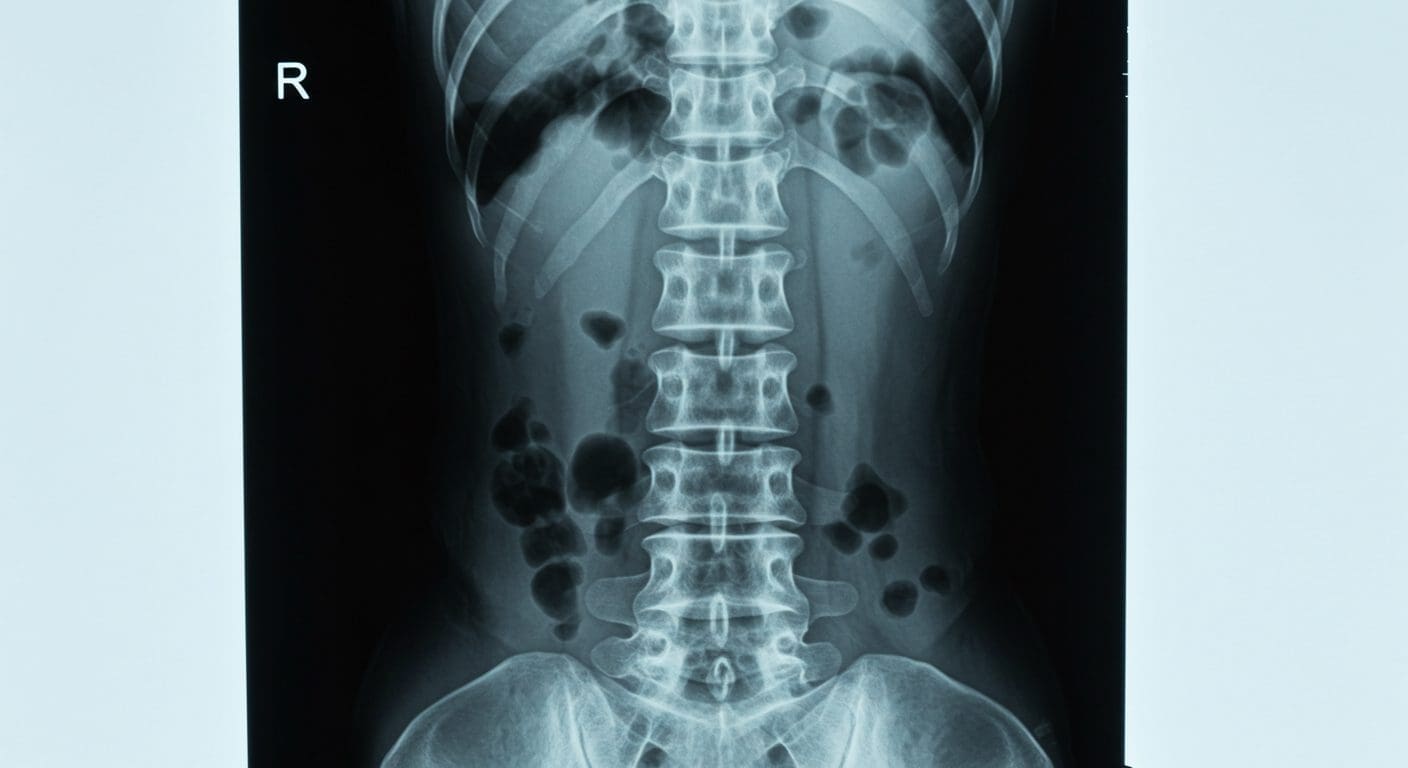
The integration of deep learning technology is poised to revolutionize the field of spinal health diagnostics, enabling faster and more accurate assessments of spinal conditions such as scoliosis and kyphosis. By leveraging advanced artificial intelligence models, medical professionals can automate the analysis of X-rays, reducing diagnostic errors and improving treatment plans for patients.
A recent study has demonstrated the efficacy of a modified U-Net architecture in identifying key spinal structures and predicting spinal alignment with high accuracy, even in complex cases involving abnormalities. With the potential to streamline clinical workflows and save doctors time, this technology promises to enhance patient care and improve outcomes, while also highlighting the need for further development to address challenges such as image quality and artifact interference. As researchers continue to refine and expand this approach, the future of spinal health diagnostics is likely to be shaped by the seamless integration of artificial intelligence and medical expertise.
Introduction to Spinal Health Diagnostics
Spinal health diagnostics is a crucial aspect of healthcare, as spinal conditions such as scoliosis and kyphosis can significantly impact an individual’s quality of life. Approximately 7 million people in the US and 3% globally are diagnosed with scoliosis, making it the most common spinal condition. Accurate diagnostics and monitoring are essential for effective treatment, but traditional methods can be labor-intensive, slow, and inconsistent.
The use of X-ray measurements, visual assessments, and clinical expertise can lead to variability in diagnoses, highlighting the need for more accurate and efficient diagnostic tools. Recent advancements in deep learning have shown promise in automating X-ray analysis, enabling faster and more accurate assessments. A study published in Spine Deformity has demonstrated the potential of a modified U-Net architecture in analyzing radiographs and predicting spinal alignment measurements.
The development of this AI model is significant, as it can handle complex cases involving abnormalities and provide accurate predictions across different age groups and spinal regions. With an impressive 88% reliability score for predicting spinal curvature, the model has shown strong performance in various spinal measurements, including pelvic tilt and sacral slope. The potential of AI to streamline clinical workflows, save doctors time, and improve treatment plans is substantial, making this research a valuable contribution to the field of spinal health diagnostics.
Mapping the Spine with AI
The study utilized a modified U-Net architecture, which employs an advanced segmentation approach to identify key spinal structures. This AI architecture combines spatial details with its understanding of anatomical relationships, gathered through training on annotated datasets. The model analyzes radiographs taken from front to back and from the side, providing a comprehensive multiview of a patient’s spinal curvature and alignment.
The researchers trained the model using a dataset of 555 radiographs manually annotated by medical experts, with 455 images used for training and 100 for testing. During inference, model initialization took approximately four seconds, while image prediction took less than one second. The processing of high-resolution images was powered by an NVIDIA RTX A6000 GPU on the cuDNN-accelerated TensorFlow deep learning framework.
The use of AI in spinal health diagnostics has several advantages, including the ability to analyze large volumes of radiographs quickly and accurately. The model’s performance in predicting spinal alignment measurements is comparable to that of human experts, with an average difference of just 3.3 degrees compared to manual measurements. However, the researchers acknowledge that further development is necessary to address limitations such as bright artifacts on X-rays compromising segmentation accuracy in patients with medical implants.
Future Directions and Applications
The study highlights the potential of AI to revolutionize spinal health diagnostics, enabling faster and more accurate assessments. The researchers plan to explore how other pretrained model architectures can extend the approach to different types of X-rays and gather more training data, especially for challenging anatomies and patients with implants.
The applications of this research are vast, with potential uses in clinical settings, medical imaging, and healthcare technology. The development of AI-powered diagnostic tools can improve patient outcomes, reduce healthcare costs, and enhance the overall quality of care. Furthermore, the use of NVIDIA technology and deep learning frameworks can accelerate the processing of large-scale datasets, enabling researchers to develop more accurate and efficient models.
The study’s findings have significant implications for the field of spinal health diagnostics, demonstrating the potential of AI to improve diagnostic accuracy and streamline clinical workflows. As the research continues to evolve, it is likely that we will see the development of more advanced AI-powered diagnostic tools, leading to improved patient outcomes and enhanced healthcare services.
Challenges and Limitations
While the study demonstrates the potential of AI in spinal health diagnostics, there are several challenges and limitations that need to be addressed. The model’s performance can be compromised by bright artifacts on X-rays, reduced image quality in obese patients, and the presence of medical implants. Additionally, the researchers acknowledge that further development is necessary to improve the model’s accuracy and robustness.
The use of AI in healthcare also raises ethical concerns, such as data privacy, security, and bias. As AI-powered diagnostic tools become more prevalent, it is essential to ensure that they are developed and deployed responsibly, with consideration for these ethical implications. Furthermore, the integration of AI into clinical workflows will require significant investment in infrastructure, training, and education, highlighting the need for a multidisciplinary approach to healthcare innovation.
The study demonstrates the potential of AI to improve spinal health diagnostics, enabling faster and more accurate assessments. The development of this AI model is significant, as it can handle complex cases involving abnormalities and provide accurate predictions across different age groups and spinal regions. While there are challenges and limitations that need to be addressed, the use of AI in healthcare has the potential to revolutionize patient care, improve outcomes, and enhance the overall quality of life. As research continues to evolve, it is likely that we will see the development of more advanced AI-powered diagnostic tools, leading to improved patient outcomes and enhanced healthcare services.
External Link: Click Here For More