Research establishes criteria for assessing copyright of AI-generated art, focusing on stylistic consistency, creative uniqueness and expressive accuracy. The ArtBulb framework, utilising multimodal large language models, provides quantifiable judgment, validated by the AICD benchmark dataset, and demonstrably outperforms existing methods in evaluating AI art copyright.
The increasing prevalence of artificial intelligence in creative fields presents novel challenges to established intellectual property law. Determining ownership and originality when art is generated by algorithms, rather than human artists, requires a reassessment of current legal frameworks. Zexi Jia, Chuanwei Huang, and colleagues address this complex issue in their research, detailed in the article ‘From Imitation to Innovation: The Emergence of AI Unique Artistic Styles and the Challenge of Copyright Protection’. They present ArtBulb, a framework designed to evaluate AI-generated art for copyright eligibility, alongside AICD, a new benchmark dataset annotated by both artists and legal professionals, offering a quantifiable approach to assessing stylistic consistency, creative uniqueness, and expressive accuracy in AI-created works.
AI-Generated Content and the Evolving Landscape of Copyright Law
The increasing prevalence of Artificial Intelligence Generated Content (AIGC) demands a re-evaluation of existing copyright law, particularly concerning artistic works, as traditional legal frameworks centre on human authorship and require demonstrable intellectual contribution for copyright protection. Recent rulings, such as the November 2023 decision by a Beijing Court, indicate a willingness to extend copyright to AI-generated works provided they exhibit originality and reflect human input, prompting critical questions regarding the definition of authorship and the criteria for establishing copyright in the context of machine-generated creativity. Current copyright legislation typically requires a work to fall within the realms of literature, art, or science, possess a tangible form, and demonstrate originality stemming from intellectual labour, yet assessing originality becomes complex when the creative process involves algorithms and machine learning models.
Determining substantial similarity between works remains a key component of copyright infringement cases, but applying this principle to AIGC requires new methodologies for analysing stylistic elements and identifying potential instances of plagiarism. This necessitates an evolution of the legal landscape to balance the protection of intellectual property with the promotion of innovation in artificial intelligence, demanding a multidisciplinary approach integrating legal expertise, artistic understanding, and technological innovation. A central issue lies in establishing whether an AI-generated work possesses a distinctive artistic style, separate from existing human artists, requiring a robust method for analysing and clustering artistic styles considering both visual features and the prompts guiding the AI’s creative process. Accurately identifying and differentiating between styles is crucial for determining originality, while ensuring that AI-generated content accurately reflects the creator’s intent, as expressed through the prompts, is essential for establishing a clear link between the work and the human author. The need for standardised evaluation methods and benchmark datasets is becoming increasingly apparent, facilitating consistent and reliable assessments of AI art copyright and fostering a more informed approach to intellectual property in the digital age.
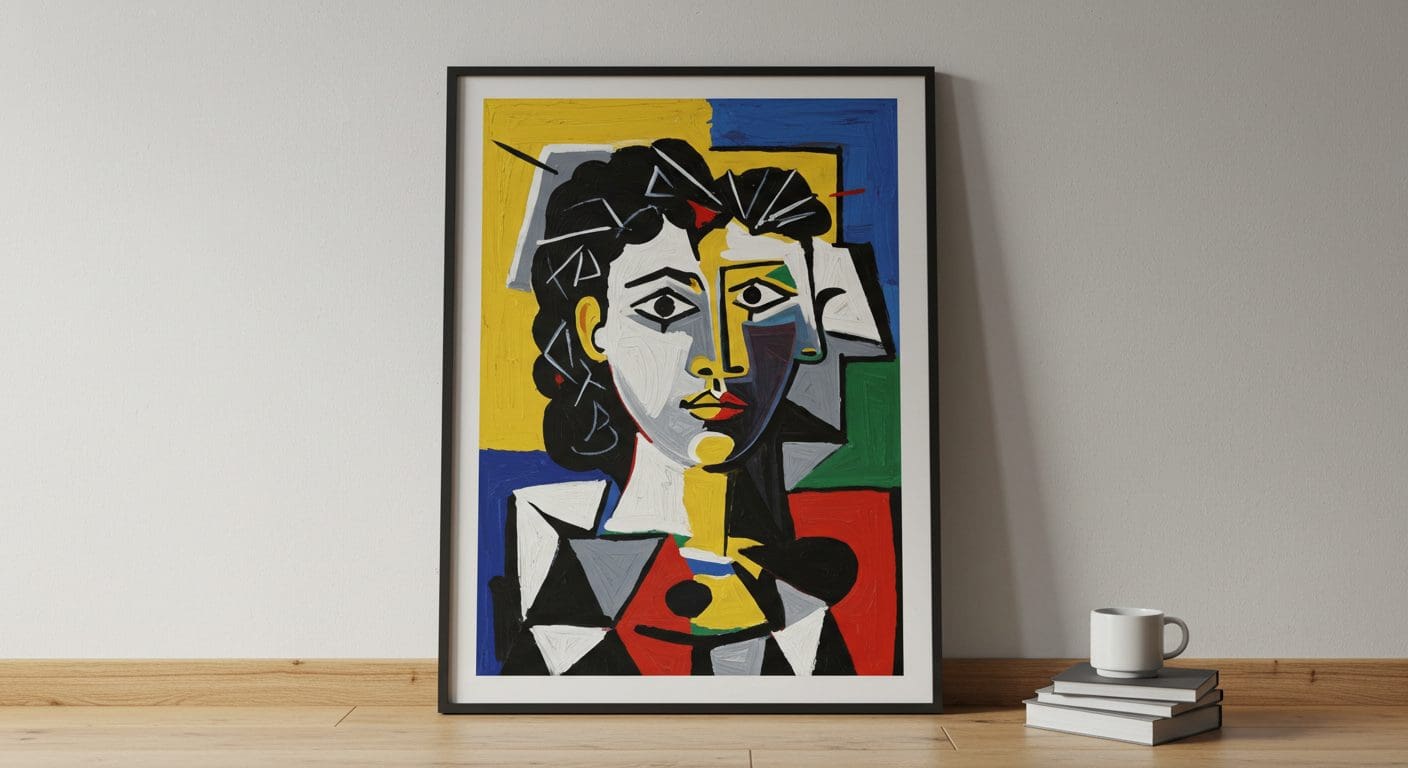
Recent research introduces ArtBulb, a framework designed to objectively evaluate artistic style by analysing stylistic consistency, creative uniqueness, and expressive accuracy within AI-generated images. This addresses a critical gap in current legal standards, which often lack systematic evaluation methods for AI art copyrights. ArtBulb integrates a novel style description-based multimodal clustering method with multimodal large language models (MLLMs), effectively analysing both visual and textual data to discern stylistic characteristics. The system first extracts stylistic features from images, encompassing elements like colour palettes, brushstroke textures, and compositional arrangements, simultaneously processing textual descriptions to identify keywords and phrases that define the artistic style. These visual and textual features are then integrated and clustered, allowing the system to identify patterns and similarities in artistic style, providing a more nuanced and comprehensive assessment of artistic originality than traditional methods.
MLLMs are then employed to interpret these clusters and provide a quantifiable judgement of copyright status, facilitating rigorous evaluation and benchmarking through the introduction of AICD, the first dataset specifically designed for assessing AI art copyright. Critically, AICD was annotated not by algorithms, but by a collaborative effort between artists and legal experts, ensuring the dataset reflects both artistic sensibilities and legal standards. The dataset includes a diverse range of artworks, encompassing various styles, genres, and artists, carefully labelled to indicate the presence or absence of copyright infringement. Experimental results demonstrate that ArtBulb consistently outperforms existing methods in both quantitative and qualitative evaluations, indicating its potential as a practical tool for copyright assessment.
The research highlights the importance of moving beyond simple detection of replicated training data, focusing instead on the more nuanced challenge of stylistic infringement. ArtBulb’s ability to analyse and quantify stylistic elements allows it to identify instances where an AI model has learned and reproduced an artist’s distinctive style, even without directly copying specific images. Future work should concentrate on expanding the AICD dataset to encompass a wider range of artistic styles and copyright scenarios, improving the robustness and generalisability of ArtBulb. Further investigation into the interplay between human input and AI generation is also warranted, to better define the threshold for substantial human intellectual contribution required for copyright protection. Exploring the potential for ArtBulb to be integrated into existing copyright management systems represents a practical step towards addressing the growing challenges of AI-generated content. This work advocates for continued collaboration between the legal and technological communities, to refine the framework and ensure its alignment with evolving legal precedents and artistic practices, fostering a fair and sustainable ecosystem for AI-driven creativity while protecting the rights of artists and enabling innovation.
👉 More information
🗞 From Imitation to Innovation: The Emergence of AI Unique Artistic Styles and the Challenge of Copyright Protection
🧠 DOI: https://doi.org/10.48550/arXiv.2507.04769