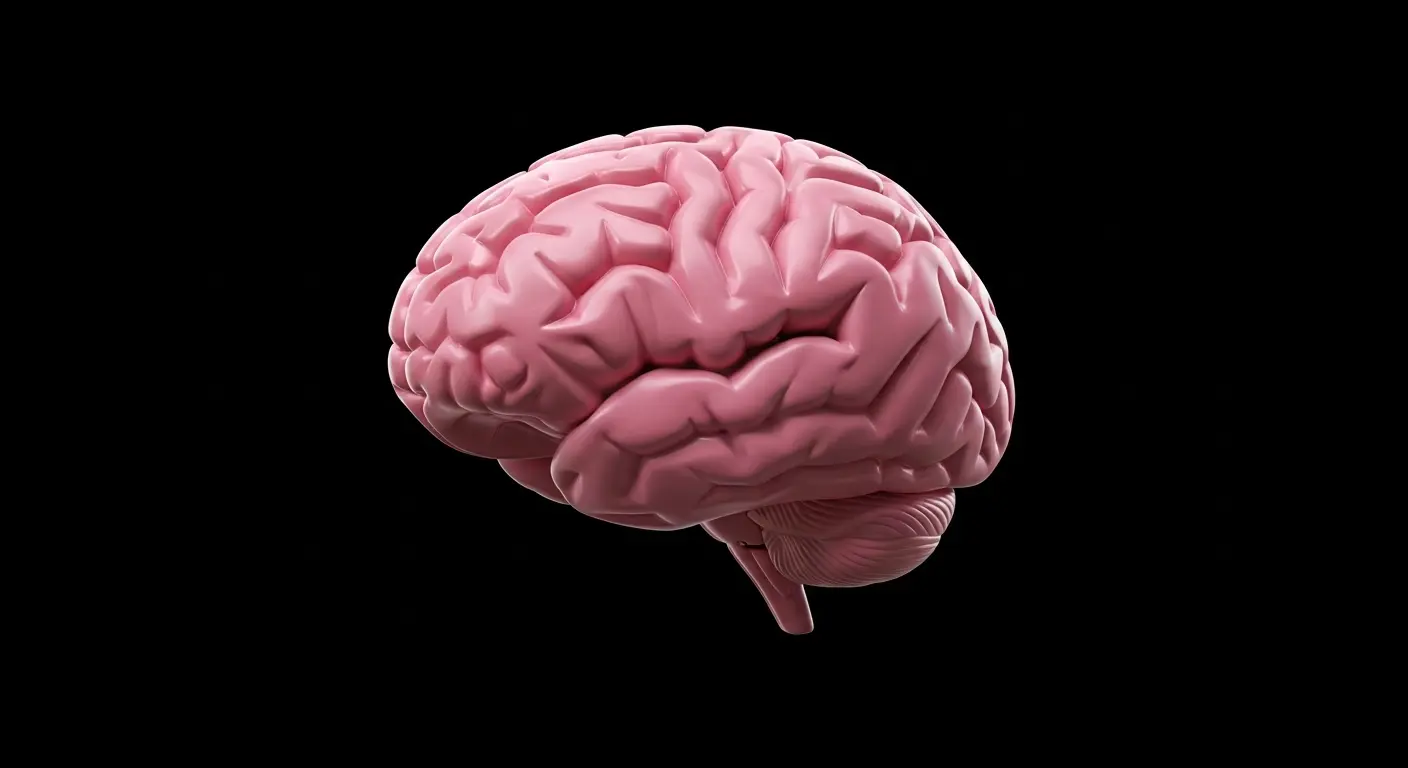
University of California San Diego researchers are fundamentally reshaping our understanding of heart attacks, revealing a complex interplay extending far beyond the heart itself. Published in Cell, the 2026 study, led by the School of Biological Sciences, demonstrates how cardiac events trigger a cascade of effects impacting the brain, nervous system, and immune response, a connection previously overlooked. Researchers, including Postdoctoral Scholar Saurabh Yadav and Assistant Professor Vineet Augustine, have mapped these “three node” links, offering novel avenues for treatment of the world’s leading cause of death. “We believe this is the first comprehensive characterization of a ‘triple node’ approach featuring a heart, brain and neuroimmune loop,” said Augustine, adding, “Heart attacks are obviously centered in the heart, but we’re flipping the switch on heart attack research to show that it’s not just the heart itself that is involved.”
Heart Attacks Linked to Brain, Nervous, Immune Systems
For decades, heart attacks have been primarily understood as a localized cardiovascular event, a blockage, restricted blood flow, and subsequent damage to the heart muscle itself. However, research from the University of California San Diego is dramatically reshaping this perspective, revealing a far more complex interplay between the heart, brain, and immune system. Published in Cell, the study details how a heart attack isn’t simply a cardiac failure, but a systemic event triggering a cascade of neurological and immunological responses.
The team, led by Saurabh Yadav and Vineet Augustine, discovered that sensory neurons act as crucial messengers, relaying cardiovascular information from the heart to the brain during an attack. “Much like our eyes and ears convert light and sound…the new research reveals that a heart attack relays cardiovascular information to the brain via sensory neurons,” explains Augustine. This triggers an immune response, though crucially, one without a traditional pathogen to target. The brain interprets the heart attack as an injury, activating defenses that may paradoxically exacerbate damage.
Researchers working with mice found the vagus nerve’s sensory neurons initiate this signaling, activating the immune system via dedicated brain structures. Remarkably, blocking these signals, the communication between heart, brain, and immune system, significantly reduced post-heart attack damage. “Blocking this heart-brain-neuroimmune system was shown to stop the spread of the disease,” said Yadav, framing the heart attack as an “epicenter” from which injury propagates. Augustine emphasizes this represents a “triple node” approach, a fundamental shift from viewing heart attacks in isolation.
Vagus Nerve Signals Cardiovascular Injury to the Brain
Researchers have demonstrated that a heart attack isn’t simply a cardiac event, but one flagged to the central nervous system via the vagus nerve, initiating a complex cascade of immunological responses. This discovery, published in Cell, highlights a “triple node” connection encompassing the heart, brain, and neuroimmune system, previously overlooked in cardiac research. The team found that sensory neurons within the vagus nerve detect cardiac injury and relay this information to specific brain structures, triggering immune activation, even in the absence of infection. This immune response, while intended to be protective, appears to exacerbate damage following a heart attack.
Over four and a half years, this cross-disciplinary project united neurobiologists with cardiologists and immunologists, employing techniques like echocardiography and light sheet microscopy to map the intricate pathways involved. The research suggests that manipulating the immune system, rather than solely focusing on cardiac repair with procedures like bypass surgery, could offer a novel therapeutic avenue. “If you think of a heart attack as the epicenter, the blockage of the signals stopped the spread of the injury,” Yadav added, emphasizing the systemic nature of this newly understood process.
Echocardiography Maps the “Triple Node” Loop
This work, published in Cell, moves beyond viewing heart attacks as isolated events, instead characterizing them as systematic episodes with far-reaching consequences. Employing techniques including echocardiography, molecular staining, and ultrasound imaging over a four-and-a-half-year period, researchers discovered that sensory neurons play a critical role in relaying cardiovascular information to the brain during a heart attack. This signaling isn’t simply about registering injury; the brain interprets a heart attack as a generalized threat, triggering an immune response despite the absence of infectious agents. This immune overactivation, researchers found, likely exacerbates the damage, prompting investigation into therapeutic interventions that could modulate this response.
Immune System Modulation as Potential Heart Attack Therapy
Blocking signals traveling between the heart and brain demonstrably reduced damage in mouse models, leading researchers to believe manipulating the immune response could be key. Current treatments, bypass surgery, angioplasty, and blood thinners, are largely invasive and focus on cardiac repair. Augustine proposes that “perhaps by manipulating the immune system we can drive a therapeutic response.” This shift in perspective, fostered by a multidisciplinary team spanning neurobiology, cardiology, and immunology, could redefine how heart attacks are treated, moving beyond solely addressing the cardiac organ itself. Ongoing studies aim to fully elucidate the mechanisms driving these three-node connections and their functional implications.
Current treatments for heart attacks focus on repairing the heart, including bypass surgery, angioplasty and blood thinners, which are all invasive.
Vineet Augustine
Source: https://today.ucsd.edu/story/new-research-connects-heart-attacks-to-brain-nervous-and-immune-systems