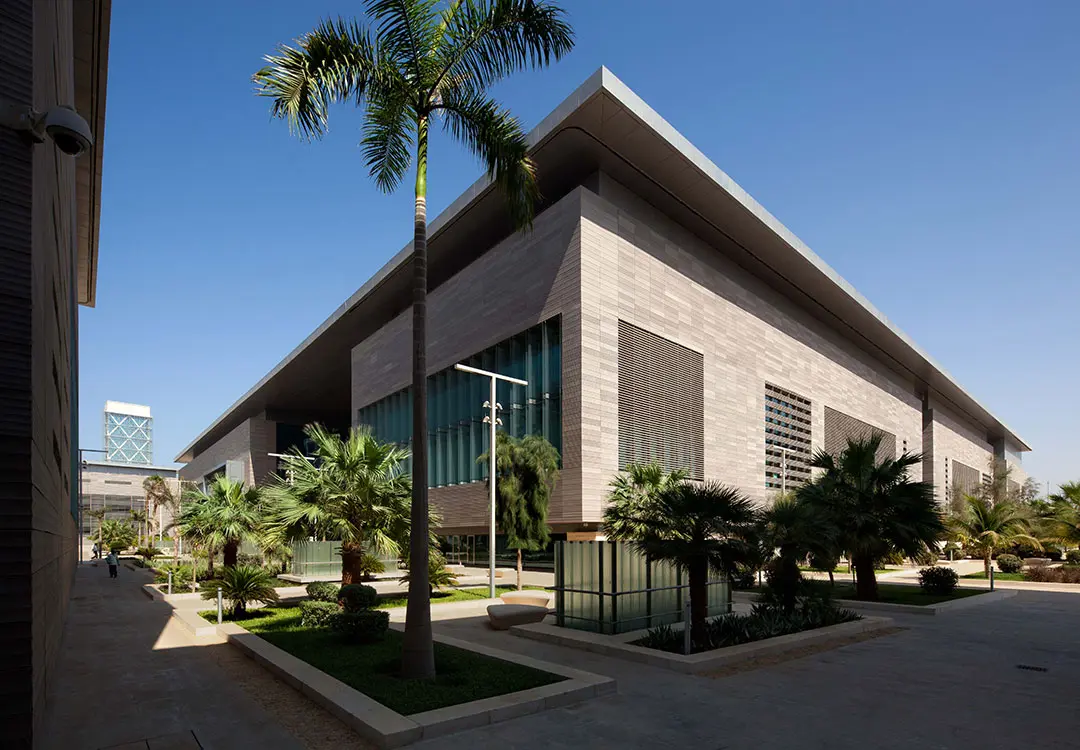
King Abdullah University of Science and Technology (KAUST) is tackling a major hurdle in quantum computing by launching the KAUST Quantum Foundry, a program designed to standardize the fabrication of reproducible quantum hardware. Traditionally, creating these devices has relied on unique, difficult-to-scale laboratory processes, hindering wider development. The Foundry will offer shared access to KAUST’s quantum cleanrooms, fostering collaboration between industry and academia with a focus on “process standardization and the development of Process Design Kits (PDKs),” tools crucial for consistent device creation. This phased initiative aims to support superconducting, photonic, and hybrid quantum platforms, ultimately driving technology transfer and commercialization through KAUST’s National Transformation Institute (NTI) and bolstering Saudi Arabia’s position as a hub for advanced research.
KAUST Quantum Foundry Enables Standardized Device Fabrication
These tools empower researchers to design and fabricate devices utilizing “consistent, well-defined processes,” according to KAUST. The Foundry will support quantum technologies applicable to KAUST’s strategic missions, including advancements in energy, health, food, and water security. By providing a shared foundation, KAUST reinforces its position as a national hub for advanced research, “supporting Saudi Arabia’s long-term innovation priorities,” and enabling quantum computing capabilities that address challenges beyond classical approaches.
Process Design Kits Support Superconducting & Photonic Platforms
This initiative builds upon existing KAUST cleanroom infrastructure and Core Labs expertise, establishing a unique operating model distinct from standard nanofabrication facilities. KAUST aims to create “clear pathways for technology transfer and early-stage commercialization” through its innovation ecosystem, including the National Transformation Institute (NTI).
TheQuantum Foundry initiative provides a shared foundation for applying quantum technologies, which are revolutionizing materials discovery and enabling ultra-sensitive sensors, to KAUST’s strategic missions, advancing energy, health, food, and water security.



See today’s quantum computing news on Quantum Zeitgeist for the latest breakthroughs in qubits, hardware, algorithms, and industry deals.