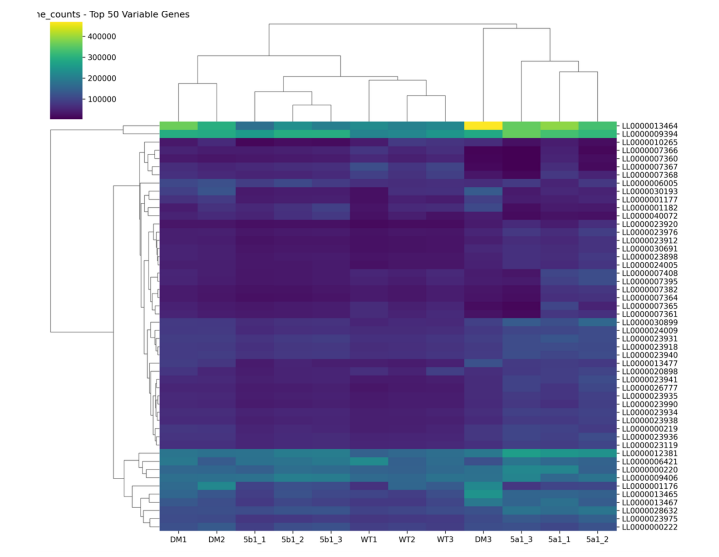
Epilepsy affects an estimated 50 million people worldwide and presents a significant challenge for genomic analysis, despite advances in high-throughput sequencing technology. Muhammad Omer Latif of Connetquot Central School District of Long Island, Hayat Ullah from Florida Atlantic University, Muhammad Ali Shafique of Kansas State University, and Zhihua Dong of Brookhaven National Laboratory, developed a new analysis pipeline that combines deep learning with powerful GPU computation to investigate gene expression patterns in epilepsy. The team’s approach utilises GPT-2 XL, a large language model, alongside NVIDIA H100 GPUs, to efficiently process RNA sequence data and identify crucial patterns, revealing significant transcriptomic modifications linked to the condition. This work demonstrates the effectiveness of combining advanced artificial intelligence with cutting-edge hardware to characterise neurological diseases and offers new insights into potential therapeutic targets, including reduced hippocampal astrogliosis following ketogenic diet treatment and restored signalling balance in zebrafish models.\n\n
Epilepsy, Neurological Disease, and Genomic Insights
\n\nResearch into epilepsy and other neurological disorders is rapidly advancing, driven by powerful new technologies and computational methods. Scientists are increasingly focused on understanding the genetic basis of these conditions, identifying biomarkers for diagnosis and treatment monitoring, and ultimately developing more effective therapies. This involves using ‘omics’ technologies, genomics, transcriptomics, proteomics, and metabolomics, to comprehensively study disease mechanisms, allowing researchers to identify disease-associated genes, understand how gene expression changes in affected tissues, and discover potential therapeutic targets. Neurogenomics, exploring how genes influence neuronal function and brain development, is a particularly active area of investigation.\n\nA key component of this research involves sophisticated data analysis. Scientists employ computational methods to analyze vast amounts of data generated by ‘omics’ technologies, including identifying genes with altered expression levels, mapping disrupted biological pathways, and using machine learning algorithms to predict disease risk and treatment response. Advanced techniques like trajectory analysis track dynamic changes in gene expression over time, providing insights into disease progression. Computational modeling simulates biological processes to understand disease mechanisms, and artificial intelligence, specifically large language models, offers a novel approach to genomic research.\n\nSpecific areas of focus include predicting seizures for preventative interventions, discovering biomarkers for early diagnosis and treatment monitoring, understanding gene regulation in different cells and tissues, and studying neuronal communication. Researchers also investigate neuronal excitability and how the brain changes over time, as well as complex mitochondrial deficiencies linked to neurological disorders and the drivers of neuronal hyperexcitability in Alzheimer’s disease. The field is moving towards data-driven approaches, leveraging large-scale datasets and adopting a holistic ‘systems biology’ approach that considers interactions between genes, proteins, and other molecules.\n\n
Deep Learning Pipeline for Epilepsy Gene Expression
\n\nScientists have developed a new analytical pipeline that combines deep learning with powerful GPU-acceleration to investigate gene expression patterns in epilepsy. This method addresses the challenges of deciphering complex transcriptomic datasets by employing GPT-2 XL, a large language model with 1. 5 billion parameters, for genomic sequence analysis. The method incorporates both classical dimensionality reduction techniques, like Principal Component Analysis and t-distributed Stochastic Neighbor Embedding, and the GPT-2 XL model to analyze the high-dimensional data. This hybrid approach successfully identified key biomarkers, including GRIA1, SST, and PVALB, allowing for precise detection of epilepsy-specific molecular signatures. The H100 GPUs significantly improved computational efficiency, reducing both training and visualization time to under one hour, a nine-fold improvement compared to previous generation GPUs. This accelerated processing facilitated the discovery of molecular signatures associated with disease phenotypes and treatment effects, including restored excitatory-inhibitory balance and reduced hippocampal astrogliosis.\n\n
Epilepsy Transcriptomics Reveals Ketogenic Diet Effects
\n\nThis research presents a breakthrough in analyzing genomic data related to epilepsy, achieved through a novel computational pipeline integrating deep learning with advanced hardware acceleration. Scientists employed the GPT-2 XL Large Language Model, containing 1. 5 billion parameters, to analyze RNA sequence data from epilepsy models, enabling efficient data preprocessing, gene sequence encoding, and identification of disease-associated patterns. Notably, the research demonstrated reduced hippocampal astrogliosis following ketogenic diet treatment, suggesting a potential therapeutic avenue. Furthermore, the team observed restored excitatory-inhibitory signaling equilibrium in a zebrafish epilepsy model, highlighting key molecular mechanisms involved in the condition.\n\nThe computational efficiency of this pipeline is remarkable, with training and visualization completed in under one hour, a nine-fold improvement compared to previous generation GPUs. This speed was achieved by leveraging NVIDIA H100 Tensor Core GPUs. The developed method achieved state-of-the-art performance, with an Area Under the Curve of 0. 90 and an F-score of 0. 88, demonstrating its effectiveness in identifying biomarkers such as GRIA1, SST, and PVALB. Principal Component Analysis confirmed the robustness of the analysis, capturing over 65% of the variance in the first principal component.\n\n
Deep Learning Maps Epilepsy Gene Expression Changes
\n\nThis research demonstrates a new analytical pipeline that effectively integrates deep learning strategies with advanced hardware acceleration to investigate gene expression patterns relevant to epilepsy. Results reveal notable changes, including reduced astrogliosis in the hippocampus following ketogenic diet intervention and restoration of excitatory-inhibitory signaling balance in a zebrafish epilepsy model, highlighting the potential for detailed molecular characterization of neurological diseases. The study establishes a scalable and interpretable framework for analyzing complex RNA sequencing data, delivering strong predictive performance even with limited datasets and providing a foundation for applying large language models to transcriptomic-driven precision diagnostics. While acknowledging limitations related to data representation and linguistic biases within the pre-trained language model, the authors suggest future work will focus on incorporating genomic embeddings, expanding to multimodal datasets, and developing GPU-accelerated differential expression workflows. These advancements promise to further enhance the robustness and biological insight derived from this approach, potentially driving target discovery and mechanistic understanding across a range of neurological and neurodevelopmental disorders.\n\n
\n🗞 A Deep Learning Pipeline for Epilepsy Genomic Analysis Using GPT-2 XL and NVIDIA H100
\n🧠 ArXiv: https://arxiv.org/abs/2510.00392\n