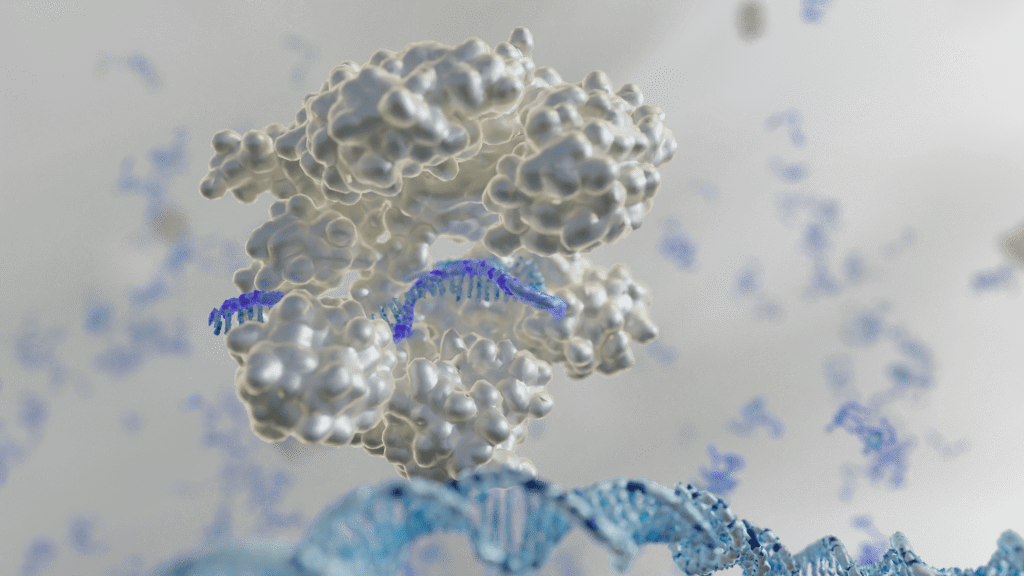
Scientists at Oak Ridge National Laboratory (ORNL) and the University of Colorado Boulder have developed a novel approach to gene editing in microbes using CRISPR interference. This method involves a large library of guide RNAs, totaling nearly 33,000, significantly more than the typical five or fewer molecules used in conventional techniques. By applying this high-density screening technique to cyanobacteria, they investigated how these photosynthetic bacteria adapt to environmental stressors such as light and temperature fluctuations.
The study revealed that partial suppression of specific genes could enhance microbial growth under challenging conditions. This finding underscores the potential of subtle gene edits to yield substantial improvements in biotechnology-related microbial traits. The technique offers a more efficient and comprehensive alternative to traditional genome editing methods, providing deeper insights into gene functions.
This advancement is particularly promising for optimizing microbes used in the production of biofuels, chemicals, and materials. By leveraging this method, researchers can accelerate the development of microbes tailored for enhanced performance in various biotechnological applications, as highlighted by ORNL’s Carrie Eckert. This approach not only streamlines the process of microbial optimization but also opens new avenues for sustainable industrial processes.
High-Density Screening Technique Identifies Key Genes for Biotechnology
The high-density screening technique developed by researchers at Oak Ridge National Laboratory (ORNL) and the University of Colorado Boulder represents a significant advancement in gene editing for microbial systems. By employing CRISPR interference alongside a vast library of guide RNAs, nearly 33,000 in total, the scientists achieved a level of precision and comprehensiveness previously unattainable in genome editing studies. This approach allowed them to systematically investigate the role of each gene in cyanobacteria’s adaptation to environmental stressors such as light intensity and temperature fluctuations.
The study demonstrated that even partial suppression of specific genes could lead to improved microbial growth under challenging conditions, highlighting the potential for subtle genetic modifications to yield substantial benefits in biotechnological applications. This finding challenges conventional approaches that often focus on complete gene knockout or overexpression, offering instead a nuanced strategy for optimizing microbial traits.
By applying this method to cyanobacteria, researchers gained insights into the genes responsible for stress responses, paving the way for tailored improvements in microbes used for biofuel and bioproduct synthesis. The technique’s scalability and efficiency make it a powerful tool for accelerating advancements in sustainable industrial processes, as emphasized by ORNL’s Carrie Eckert. This work underscores the importance of high-throughput screening methods in advancing our understanding of microbial genetics and their applications in biotechnology.
Implications for Optimizing Microbial Applications
The findings from this research have significant implications for optimizing microbial systems in various biotechnological applications. By demonstrating that subtle genetic modifications can lead to substantial improvements in microbial performance, the study challenges conventional approaches that often focus on complete gene knockout or overexpression. This nuanced strategy offers new possibilities for tailoring microbes to enhance their adaptability and productivity under challenging conditions.
The high-density screening technique’s scalability and efficiency make it a valuable tool for accelerating advancements in sustainable industrial processes. As highlighted by ORNL’s Carrie Eckert, this method provides deeper insights into gene functions and their roles in microbial adaptation, paving the way for more efficient optimization of microbes used in biofuel and bioproduct synthesis.
Overall, this research underscores the importance of high-throughput screening methods in advancing our understanding of microbial genetics and their applications in biotechnology. By leveraging subtle genetic modifications, scientists can develop microbes that are better adapted to challenging environments, opening new avenues for sustainable industrial processes.
More information
External Link: Click Here For More



See today’s quantum computing news on Quantum Zeitgeist for the latest breakthroughs in qubits, hardware, algorithms, and industry deals.