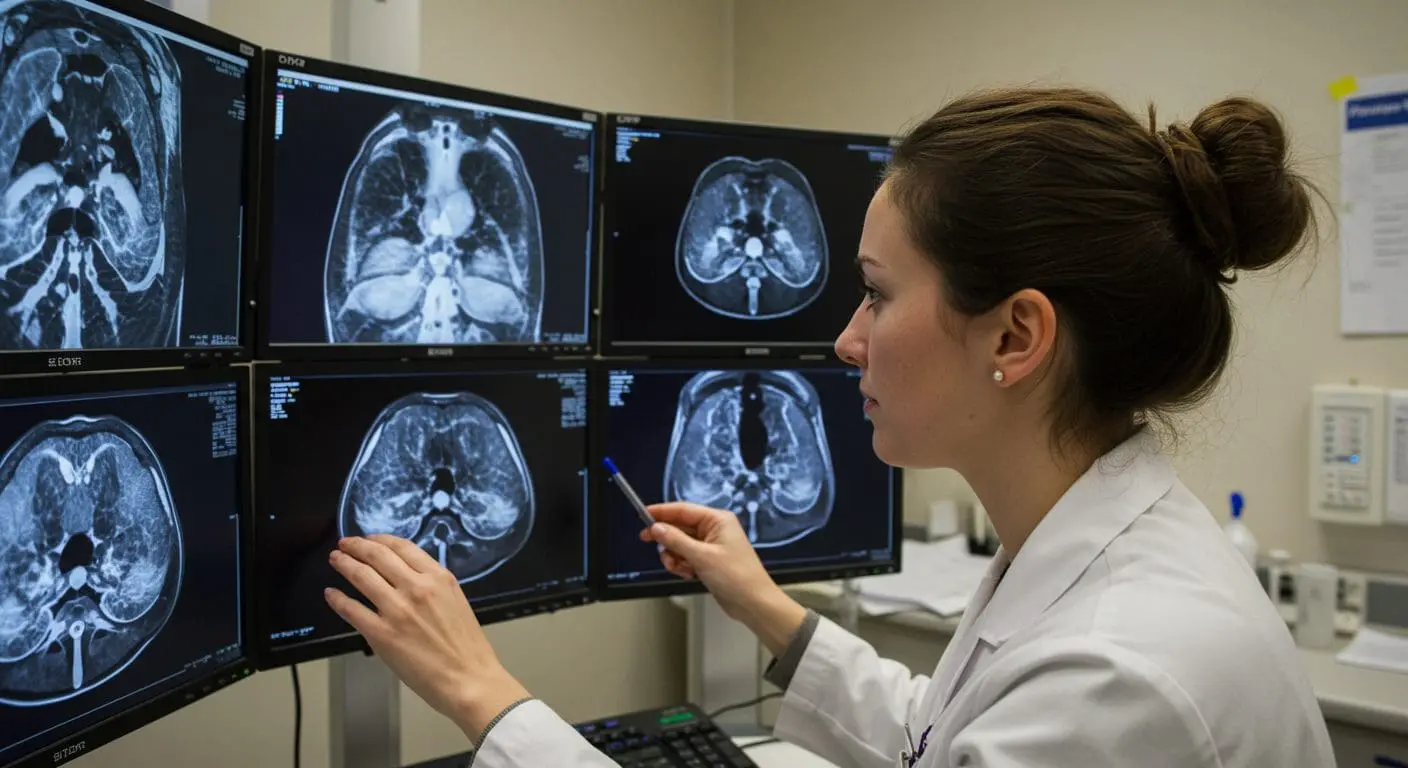
A new study by UCLA Health Jonsson Comprehensive Cancer Center researchers, published in the Journal of the National Cancer Institute, suggests that artificial intelligence (AI) could enhance early detection of interval breast cancers, which develop between routine screenings. The research indicates AI might reduce such cases by 30% and improve screening practices, leading to earlier treatment and better patient outcomes.
Analysing nearly 185,000 mammograms from 2010-2019, the study found AI effectively flagged potential cancers missed or overlooked by radiologists, including those with subtle signs. However, it highlighted AI’s limitations, such as inaccuracies in pinpointing cancer locations. The findings underscore AI’s potential as a supplementary tool for radiologists, aiding in early detection and improving patient care.
The study evaluated the ability of an AI tool called Transpara to detect subtle signs of interval breast cancers, which develop between routine screenings. The research analysed nearly 185,000 mammograms from 2010 to 2019 and found that the AI system flagged 76% of cases where interval breast cancers were later diagnosed. This capability was particularly effective for identifying missed reading errors and minimal signs of actionable or non-actionable cancers, with the AI achieving 90% accuracy in detecting missed readings.
The study also revealed limitations in the AI’s performance. While the tool flagged 69% of screening mammograms with occult cancers, it struggled to pinpoint the exact location of these cancers accurately, succeeding only 22% of the time. This highlights challenges in integrating AI into clinical practice, particularly when addressing discrepancies between AI flags and human visibility.
The research suggests that AI could be valuable for radiologists, enhancing early detection efforts without replacing human expertise. The findings emphasize the potential benefits of using “AI for interval breast cancer detection” to improve screening accuracy and patient outcomes, especially when combined with traditional methods. Differences in U.S. and European screening practices were noted, which may influence how AI is implemented across various healthcare systems.
The study concludes that while AI demonstrates promise in improving early detection rates, further research is needed to address limitations in accuracy and integration into clinical workflows.
Potential Impact on Screening Practices and Patient Outcomes
The study evaluated the performance of an AI tool called Transpara in detecting interval breast cancers, which develop between routine screenings. The research analyzed nearly 185,000 mammograms from 2010 to 2019 and found that the AI system flagged 76% of cases where interval breast cancers were later diagnosed. This capability was particularly effective for identifying missed reading errors and minimal signs of actionable or non-actionable cancers, with the AI achieving 90% accuracy in detecting missed readings.
The study also revealed limitations in the AI’s performance. While the tool flagged 69% of screening mammograms with occult cancers, it struggled to pinpoint the exact location of these cancers accurately, succeeding only 22% of the time. This highlights challenges in integrating AI into clinical practice, particularly when addressing discrepancies between AI flags and human visibility.
The research suggests that AI could be valuable for radiologists, enhancing early detection efforts without replacing human expertise. The findings emphasise the potential benefits of using “AI for interval breast cancer detection” to improve screening accuracy and patient outcomes, especially when combined with traditional methods. Differences in U.S. and European screening practices were noted, which may influence how AI is implemented across various healthcare systems.
The study concludes that while AI demonstrates promise in improving early detection rates, further research is needed to address limitations in accuracy and integration into clinical workflows.
More information
External Link: Click Here For More



See today’s quantum computing news on Quantum Zeitgeist for the latest breakthroughs in qubits, hardware, algorithms, and industry deals.