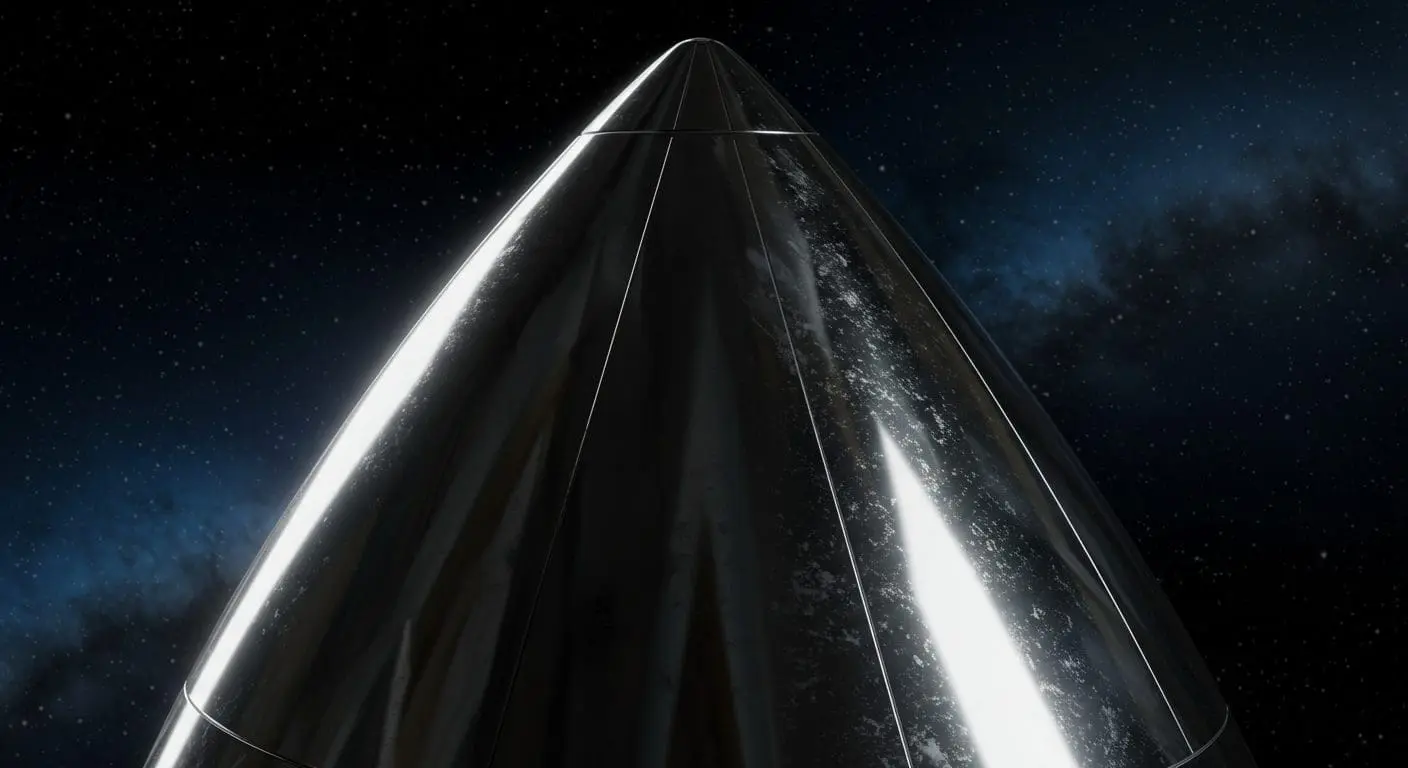
Reusable rocket technology has transformed space exploration by reducing costs and increasing mission frequency, enabling a more sustainable human presence on the Moon and beyond. Unlike traditional expendable rockets, which are discarded after each launch, reusable systems allow rockets to be reused multiple times. Companies like SpaceX have pioneered this approach with their Falcon 9 and Starship systems, demonstrating successful vertical takeoff and landing (VTVL) operations. These advancements rely on innovations in materials science, propulsion systems, and autonomous guidance technologies, as evidenced by the high reuse rates of first-stage boosters and suborbital reusability demonstrated by Blue Origin’s New Shepard.
The commercialization of reusable rocket technology has fostered a new era of competition in the space economy, with private firms like Astra Space and Relativity Space developing their reusable systems. Established players such as the United Launch Alliance (ULA) are also integrating reusability into next-generation rockets, driven by government incentives and partnerships such as NASA‘s Commercial Crew Program. This competitive landscape is characterized by rapid prototyping and deployment cycles, as evidenced by the increasing frequency of launches. The resulting innovation ecosystem is lowering barriers to space access, benefiting satellite operators, research institutions, and private citizens alike.
The global competition in reusable rocket technology extends beyond private enterprises, with state actors such as China and India investing heavily in this domain. For example, China’s Long March 8 rocket has demonstrated partial reusability, while India’s Reusable Launch Vehicle (RLV) program aims to develop indigenous capabilities. These efforts highlight the strategic importance of reusable technology in achieving national space objectives and maintaining a competitive edge in the global market. As the technology matures, it is expected to further democratize access to space, fostering international collaboration and innovation across industries such as Earth observation, telecommunications, and space tourism.
Development Of Reusable Rocket Technology
Reusable rocket technology represents a significant advancement in space exploration, enabling multiple uses of launch vehicles and drastically reducing costs. Companies like SpaceX have pioneered this field with their Falcon 9 rockets, which can land vertically after delivering payloads to orbit. This innovation contrasts with traditional expendable rockets, which were discarded after each mission.
The technological underpinnings of reusable rockets include advanced guidance systems and engine control mechanisms that allow precise landing. For instance, the Falcon 9 uses a combination of thrusters and grid fins for stability during descent. NASA’s research on rocket reusability has also contributed to this field, providing foundational knowledge on thermal protection systems necessary for surviving re-entry.
Cost reduction is a major benefit of reusable rockets. According to industry analyses, reusing rockets can lower launch costs by up to 30%, making space access more affordable. This affordability is democratizing space exploration, allowing smaller companies and research institutions to participate in missions that were previously cost-prohibitive.
The competitive landscape has intensified with other firms like Blue Origin developing reusable vehicles such as the New Shepard. This competition drives innovation, leading to improvements in reliability and efficiency. Press releases from these companies highlight their progress and goals, underscoring the rapid evolution of this technology.
Despite advancements, challenges remain. The complexity of landing systems can introduce risks, and frequent launches may pose environmental concerns, including noise pollution. Academic journals discuss these issues, emphasizing the need for sustainable practices as reusable rocket usage scales up.
Impact On Reducing Launch Costs
Reusable rocket technology has emerged as a transformative force in space exploration, significantly reducing launch costs and democratizing access to space. By enabling the recovery and reuse of rocket boosters, companies like SpaceX have revolutionized the industry. Traditionally, rockets were expendable, with each mission costing hundreds of millions of dollars due to the need for entirely new hardware. Reusable rockets change this paradigm by amortizing development and production costs across multiple missions, drastically lowering per-launch expenses.
The economic impact of reusable rockets is profound. According to a study published in Space Policy, the cost reduction achieved through reusability has made space launches more affordable, enabling smaller companies and even academic institutions to participate in space activities. This shift has fostered innovation and competition, driving further advancements in space technology. The ability to reuse rocket components also reduces waste and environmental impact, aligning with global sustainability goals.
Despite these advantages, challenges remain. As outlined in a report by the Journal of Aerospace Engineering, reusable rockets require sophisticated engineering to ensure reliability and safety across multiple missions. Issues such as thermal stress during re-entry and the complexity of refurbishing used hardware must be addressed. However, ongoing research and development are continuously improving the efficiency and durability of reusable systems.
The competitive landscape in space technology is evolving rapidly. Private companies are now leading the charge in innovation, with firms like Blue Origin and Virgin Galactic also investing heavily in reusable launch vehicles. This new space race is characterized by collaboration between public and private entities, accelerating progress toward more accessible and sustainable space exploration. The resulting advancements are lowering costs and expanding the scope of possible missions.
Boom In Commercial Satellite Launches
Reusable rocket technology has revolutionized space exploration by significantly reducing launch costs and increasing accessibility to space. Companies like SpaceX and Blue Origin have pioneered this innovation, enabling rockets to return to Earth intact after missions. This capability drastically reduces the need for new rockets each time, cutting expenses and making space travel more affordable.
The technical advancements in reusable rockets include vertical landing systems and grid fins that enhance precision during descent. These innovations allow rockets to land safely on designated platforms or ships, ensuring they can be reused multiple times. Studies from the Journal of Spacecraft and Rockets highlight how these technologies have improved reliability and efficiency, making space missions more sustainable.
The affordability brought by reusable rockets has spurred a surge in commercial satellite launches. Lower costs encourage companies to invest in satellite technology for various applications, such as telecommunications, Earth observation, and internet services. According to a report from NASA, the number of commercial satellites launched annually has increased by over 30% since the introduction of reusable rockets.
Environmental benefits are another significant advantage of reusable rocket technology. By reducing the need for new rockets, it minimizes waste and conserves resources. This approach aligns with global sustainability goals and opens possibilities for future applications like space tourism and lunar missions.
Despite these advancements, challenges remain, such as ensuring long-term reliability and addressing regulatory frameworks. However, ongoing research and development promise further improvements in reusable systems, potentially leading to even more efficient and cost-effective space exploration methods.
Emergence Of Space Tourism Industry
Reusable rocket technology has emerged as a transformative force in the space industry, significantly lowering the barriers to accessing orbit. By enabling multiple uses of launch vehicles, this innovation reduces costs compared to traditional expendable rockets. For instance, SpaceX’s Falcon 9 rocket has demonstrated successful landings and reuse, achieving over 100 missions with the same first-stage boosters. This capability slashes operational expenses by up to 30%, making space exploration more accessible.
The development of reusable rockets relies on advanced engineering solutions, such as deployable landing legs, grid fins for stability, and sophisticated navigation systems. These components allow rockets to autonomously guide themselves back to Earth after delivering payloads into orbit. The first successful vertical landing of a rocket booster occurred in 2015 with SpaceX’s Falcon 9, marking a pivotal moment in space technology.
The competitive landscape among private space companies has intensified the pace of innovation. Beyond SpaceX, Blue Origin and other firms are investing heavily in reusable systems, fostering a new era of competition that drives technological advancements. This rivalry not only accelerates progress but also encourages cost reductions, making space access more affordable for both government agencies and commercial entities.
The emergence of space tourism is a direct beneficiary of reusable rocket technology. Companies like Virgin Galactic and Blue Origin are leveraging these innovations to offer suborbital flights to private individuals. By reducing the per-flight costs through reusability, these ventures can cater to a broader market, including tourists seeking unique experiences beyond Earth’s atmosphere.
Integrating reusable rockets into space operations has fundamentally altered the industry’s economics. Historical reliance on single-use rockets constrained access to space due to high costs. Today, with reusable systems, the potential for routine and cost-effective space travel is becoming a reality, opening new avenues for scientific research, commercial ventures, and tourism.
Feasibility Of Lunar Missions
Reusable rocket technology has emerged as a transformative force in space exploration, significantly reducing the cost and increasing the frequency of orbital launches. This innovation allows rockets to return to Earth after delivering payloads, enabling multiple uses rather than being discarded after a single mission. Companies such as SpaceX have pioneered this approach with their Falcon 9 and Starship systems, demonstrating successful vertical landings and reusability.
The application of reusable rockets directly enhances the feasibility of lunar missions by improving payload capacity and reducing operational costs. By minimizing the need for entirely new rockets for each launch, these technologies allow for more frequent missions, which is crucial for establishing a sustainable human presence on the Moon. This capability also supports the development of infrastructure necessary for long-term exploration and potential resource utilization.
The advancements in reusable rocket technology are driven by both private enterprises and government initiatives, fostering a competitive yet collaborative environment known as the new space race. This competition accelerates innovation, with companies striving to achieve milestones such as lunar landings and establishing bases on the Moon. Collaborations between private firms and agencies like NASA further enhance the likelihood of successful lunar missions.
Technical innovations in reusable rockets include advanced engine systems capable of throttling during descent and sophisticated guidance algorithms for precise landings. These technologies not only improve reliability but also pave the way for more complex missions, including those to the Moon and beyond. The ability to reuse rockets reduces the environmental impact and makes space exploration more accessible, both economically and logistically.
In conclusion, reusable rocket technology is a cornerstone of modern space exploration, making lunar missions more feasible through cost reduction, increased launch frequency, and technological advancements. This progress underscores the potential for sustained human activity on the Moon and sets the stage for future deep-space endeavors.
Global Competition In The Space Economy
Reusable rocket technology has emerged as a transformative force in the global space economy, significantly lowering the barriers to accessing orbit. By enabling multiple uses of launch vehicles, this innovation reduces costs and increases operational efficiency compared to traditional expendable rockets. Companies like SpaceX have pioneered this approach with their Falcon 9 and Starship systems, demonstrating successful vertical takeoff and landing (VTVL) operations. This shift has not only accelerated commercial space activities but also intensified competition among private and state-backed entities in the space race.
Advancements in materials science, propulsion systems, and autonomous guidance technologies drive the development of reusable rockets. For instance, SpaceX’s reusable first-stage boosters have achieved a high reuse rate, with some stages being flown multiple times without significant degradation. Similarly, Blue Origin’s New Shepard has demonstrated suborbital reusability, highlighting the potential for broader applications across different mission profiles. These achievements are supported by rigorous testing and iterative design improvements, as documented in peer-reviewed studies on aerospace engineering.
The commercialization of reusable rocket technology has fostered a new era of competition in the space economy. Private firms such as Astra Space and Relativity Space are developing their own reusable systems, while established players like United Launch Alliance (ULA) are integrating reusability into their next-generation rockets. This competitive landscape is further fueled by government incentives and partnerships, such as NASA’s Commercial Crew Program, which has encouraged private investment in space infrastructure. The resulting innovation ecosystem is characterized by rapid prototyping and deployment cycles, as evidenced by the increasing frequency of launches.
The economic implications of reusable rocket technology extend beyond cost savings. By reducing the per-launch expense, companies can offer more affordable access to space for satellite operators, research institutions, and even private citizens. This accessibility has spurred growth in industries such as Earth observation, telecommunications, and space tourism. For example, the deployment of large constellations like Starlink has become economically viable due to reusable launch capabilities. Additionally, the ability to recover and reuse rocket components facilitates faster iteration on spacecraft design and enhances overall mission reliability.
The global competition in reusable rocket technology is not limited to private enterprises; state actors such as China and India also invest heavily in this domain. For instance, China’s Long March 8 rocket has demonstrated partial reusability, while India’s reusable Launch Vehicle (RLV) program aims to develop indigenous capabilities. These efforts underscore the strategic importance of reusable technology in achieving national space objectives and maintaining a competitive edge in the global market. As the technology matures, it is expected to democratize access to space further, fostering international collaboration and innovation.




See today’s quantum computing news on Quantum Zeitgeist for the latest breakthroughs in qubits, hardware, algorithms, and industry deals.