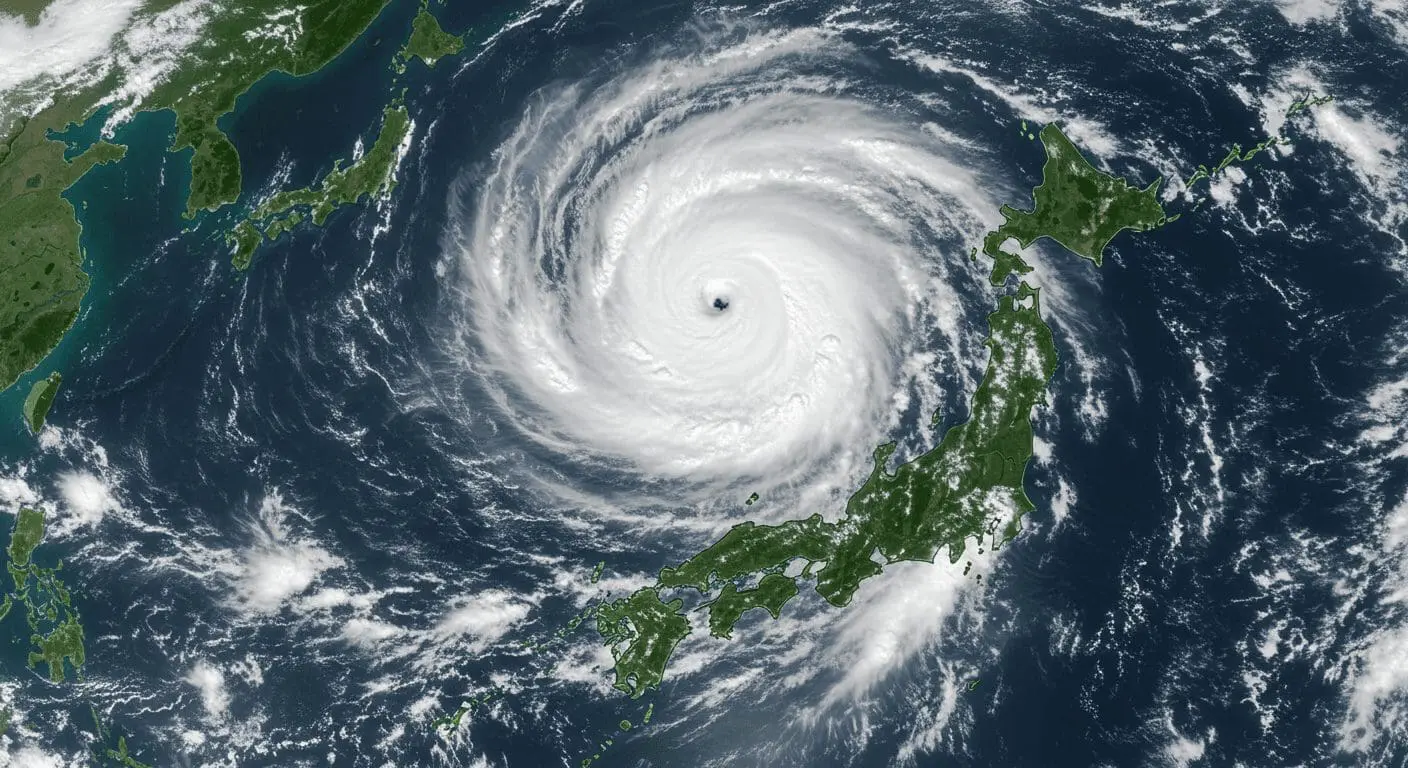
A team of researchers from UC San Diego’s Scripps Institution of Oceanography, NASA Jet Propulsion Laboratory, and NASA Goddard Space Flight Center has discovered that small-scale ocean processes, such as narrow fronts where ocean surface temperatures change by 5°C (9°F) over just 10 kilometers (6 miles), significantly influence storm development.
These previously underestimated processes contribute to heat transfer from the ocean to the atmosphere and transport moisture into storms, accounting for half of the rainfall in some mid-latitude winter storms. The findings in Communications Earth & Environment suggest that higher-resolution models could improve storm intensity and rainfall predictions. At the same time, future research will explore their impact on phenomena like atmospheric rivers.
Small-Scale Ocean Processes Influence Storms
For decades, scientists believed that only large-scale ocean temperature patterns significantly influenced storm development. However, recent research has revealed that small-scale ocean processes are crucial in shaping weather systems.
The study highlights how narrow ocean fronts, where temperatures can shift by 5°C over 10 kilometers, contribute to heat transfer from the ocean to the atmosphere. This process is vital for powering mid-latitude winter storms and underscores the importance of these small-scale interactions.
Additionally, these fronts transport moisture into the atmosphere, contributing significantly to rainfall in certain storm regions. This mechanism adds substantial humidity and heat, potentially intensifying storm systems and affecting precipitation patterns.
The findings suggest that enhancing higher-resolution computational models could improve storm intensity predictions’ accuracy. Future research will explore how these mechanisms influence phenomena like atmospheric rivers and quantify their impact on overall storm strength.
This work, published in Communications Earth & Environment, was conducted by a team from UC San Diego’s Scripps Institution of Oceanography, NASA Jet Propulsion Laboratory, and NASA Goddard Space Flight Center. The study emphasizes the need to consider “small ocean processes” in understanding and predicting weather patterns.
Future Implications for Storm Prediction
The discovery that small ocean processes significantly influence storm development has profound implications for weather prediction models. By incorporating higher-resolution simulations capable of capturing narrow ocean fronts—where temperatures change by 5°C over 10 kilometers—scientists can better understand how these localized interactions contribute to storm intensity and rainfall patterns.
These findings suggest that accounting for small-scale ocean dynamics could enhance the accuracy of storm predictions, particularly for mid-latitude winter storms. The ability to model moisture transport from these fronts, which extend up to 4 kilometers into the atmosphere, offers new insights into precipitation mechanisms and their role in shaping storm behavior.
The research also opens avenues for exploring how these processes interact with other atmospheric phenomena, such as atmospheric rivers, potentially improving forecasts for extreme weather events. By refining computational models to include these previously overlooked small-scale interactions, meteorologists may achieve more precise predictions of storm intensity and associated impacts.
More information
External Link: Click Here For More