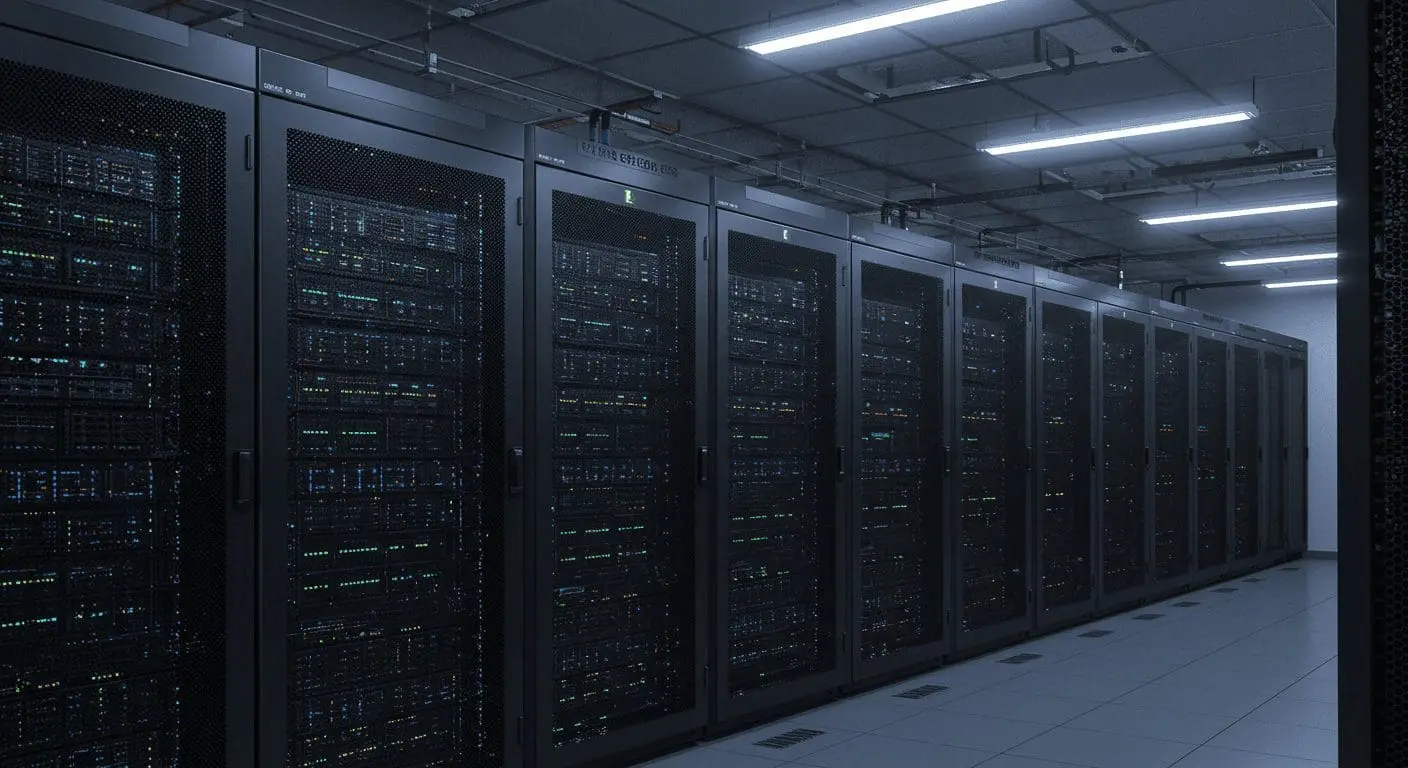
DeepMind AI has achieved a 40% reduction in energy used for cooling at Google‘s data centers, translating to a 15% decrease in overall Power Usage Effectiveness (PUE). This advancement was realized through neural networks trained on sensor data from thousands of points within the facilities, capturing metrics like temperature and power usage. Authored by Richard Evans and Jim Gao, this innovation enhances Google’s energy efficiency and benefits other companies utilizing its cloud services, contributing to broader environmental sustainability efforts.
Machine Learning Addresses Energy Consumption Challenges
Machine learning has been applied to optimize energy consumption in Google’s data centers, addressing a critical challenge in reducing operational inefficiencies. Researchers developed a system capable of predicting future energy consumption patterns by leveraging deep neural networks trained on sensor data, including temperatures, power usage, and pump speeds. This approach focused on minimizing Power Usage Effectiveness (PUE), the ratio of total building energy to IT energy, thereby enhancing overall efficiency.
The implementation resulted in a 40% reduction in energy used for cooling systems, translating to a 15% decrease in overall PUE after accounting for electrical losses and other inefficiencies. This achievement marked the lowest PUE recorded at the site, demonstrating the tangible benefits of integrating machine learning into energy management processes.
Looking ahead, this technology holds potential beyond data centers. Applications could extend to improving power plant efficiency, reducing energy and water usage in semiconductor manufacturing, and increasing throughput in various industrial settings. These advancements underscore the broader applicability of machine learning in driving sustainable practices across multiple sectors.
Googles Decade-Long Efforts to Improve Energy Efficiency
Over the past decade, Google has made significant strides in enhancing energy efficiency across its operations, particularly within its data centers. These efforts have been driven by technological advancements and strategic investments aimed at reducing operational inefficiencies while maintaining high performance standards.
One key initiative has been optimizing cooling systems, which are critical for maintaining server performance while minimizing energy consumption. Google has implemented advanced monitoring and control systems to ensure that cooling resources are used efficiently, aligning with real-time demand patterns. This approach has helped reduce unnecessary energy expenditure without compromising system reliability.
Additionally, Google has focused on improving the efficiency of its servers and infrastructure through hardware innovations and software optimizations. By designing custom components tailored to specific workloads, the company has been able to achieve higher levels of computational output per unit of energy consumed. These improvements have contributed significantly to lowering the overall power usage effectiveness (PUE) ratio across its data centers.
The integration of renewable energy sources into Google’s energy mix has also played a pivotal role in driving efficiency gains. By investing in wind and solar projects, the company has reduced its reliance on fossil fuels while ensuring a stable and sustainable energy supply.
These cumulative efforts have positioned Google as a leader in data center efficiency, setting benchmarks that other organizations can emulate. The recent application of machine learning to further optimize energy consumption represents the next logical step in this ongoing journey toward greater sustainability and operational excellence.
DeepMind AI Achieves Breakthrough in Data Center Cooling
DeepMind has developed a machine learning system to optimize energy consumption in data centers by predicting future temperature and pressure conditions. This approach uses deep neural networks trained on sensor data, enabling precise recommendations for cooling operations while ensuring compliance with operating constraints. The system was tested in a live environment, demonstrating consistent performance and significant efficiency gains.
The implementation achieved a 40% reduction in energy used for cooling systems, which translated to a 15% decrease in overall Power Usage Effectiveness (PUE) after accounting for electrical losses and other inefficiencies. This result marked the lowest PUE ever recorded at the site, highlighting the system’s effectiveness in reducing operational inefficiencies.
The technology’s broader applicability extends beyond data centers. Potential applications include improving power plant efficiency, reducing energy and water usage in semiconductor manufacturing, and enhancing throughput in industrial settings. These advancements underscore the versatility of machine learning in driving sustainable practices across multiple sectors.
Google has a history of advancing energy efficiency through technological innovation and strategic investments. Efforts have focused on optimizing cooling systems, improving server efficiency, and integrating renewable energy sources into its operations. These cumulative efforts position Google as a leader in data center efficiency, setting benchmarks for other organizations to follow.
The recent application of machine learning represents the next step in this journey toward greater sustainability and operational excellence. By leveraging advanced algorithms, Google continues to push the boundaries of energy management, contributing to a more efficient and sustainable future.
More information
External Link: Click Here For More


See today’s quantum computing news on Quantum Zeitgeist for the latest breakthroughs in qubits, hardware, algorithms, and industry deals.