The intersection of high-performance computing and artificial intelligence is poised to revolutionize numerous fields, and the next generation of experts is being groomed through initiatives like the ASC Student Supercomputer Challenge. With over 300 teams from colleges and universities worldwide participating in the 2025 edition, ASC25, this competition has become a premier platform for fostering young talent in supercomputing.
The challenge, which will culminate in finals at Qinghai University from May 10 to 14, 2025, features tasks inspired by cutting-edge research, including Nobel Prize-winning achievements in protein structure prediction and nucleoside base modifications. By leveraging supercomputing to explore groundbreaking scientific discoveries and address complex challenges, participants are being equipped with the skills and innovative spirit necessary to drive global progress in science, technology, and industry. As a catalyst for technological innovation and industrial development, ASC25 is set to inspire a new generation of interdisciplinary talent, poised to make a lasting impact on the world.
Introduction to the ASC Student Supercomputer Challenge
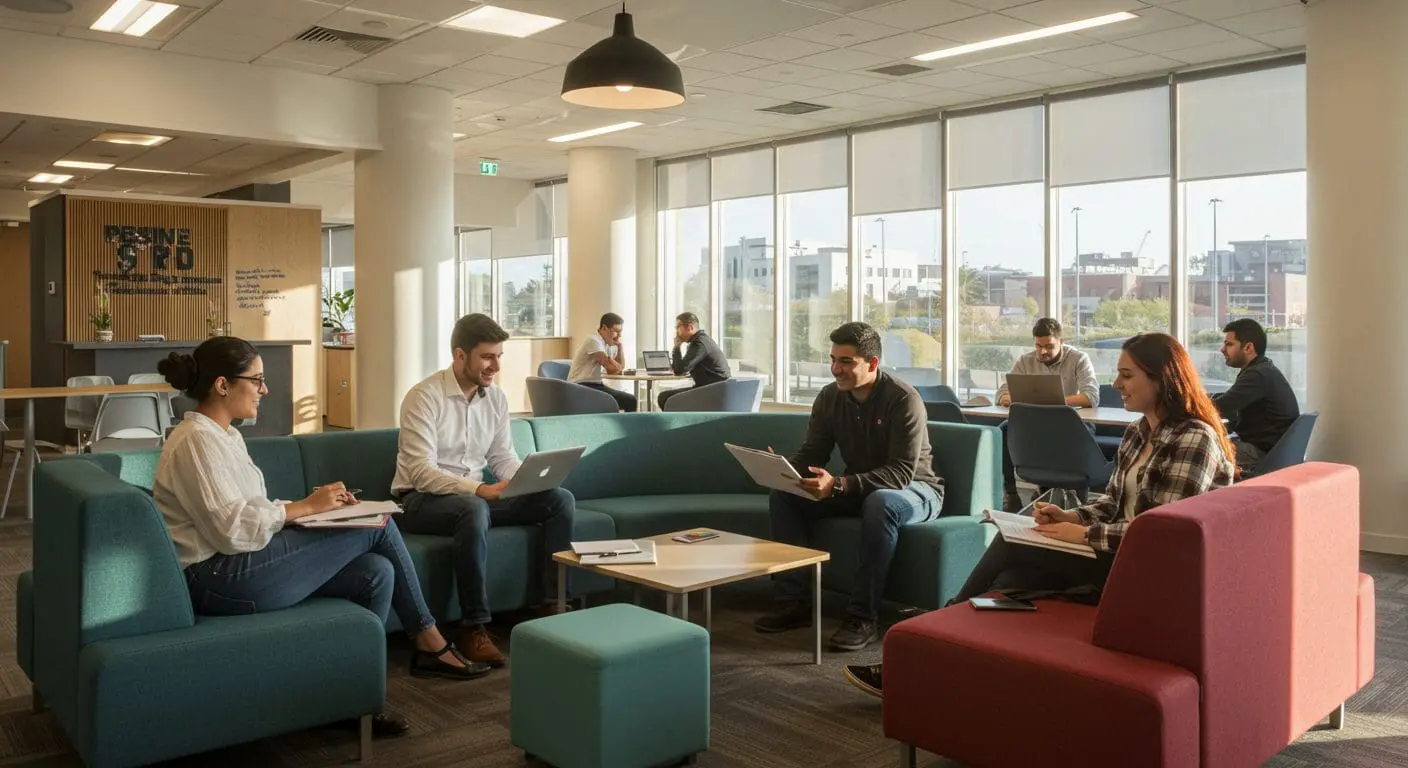
The ASC Student Supercomputer Challenge (ASC) is a global competition that aims to promote the development of young talent in supercomputing. The 2025 edition, known as ASC25, has attracted over 300 teams from colleges and universities worldwide. This event serves as a platform for students, teachers, and experts to come together and showcase their skills in high-performance computing (HPC) and artificial intelligence (AI). The competition is designed to foster the growth of interdisciplinary talent, equipped with enthusiasm, innovative spirit, and advanced technological capabilities.
The ASC25 launch event was recently held in Beijing, where leading academicians, HPC and AI experts, and student-teacher representatives gathered to highlight the importance of supercomputing and AI. A two-day training camp was also conducted, providing valuable insights into competition rules, preliminary round tasks, and problem-solving strategies. The top-performing teams will advance to the finals, scheduled to take place at Qinghai University from May 10 to 14, 2025.
The ASC Student Supercomputer Challenge has been in existence since 2012 and has attracted tens of thousands of university students from six continents, solidifying its status as the largest university-level supercomputing competition globally. The competition aims to elevate the application and R&D capabilities in supercomputing, harness its technological driving force, and foster innovation across science, technology, and industry.
Competition Format and Tasks
The ASC25 follows a two-stage competition format, with teams required to complete designated challenges and submit detailed cluster design and application optimization proposals in the preliminary round. The tasks are inspired by the latest Nobel Prize-winning research achievements, empowering participants to leverage supercomputing to explore groundbreaking scientific discoveries and address complex challenges in frontier fields.
One of the tasks, known as AlphaFold3, challenges teams to execute and optimize the AlphaFold3 structure prediction code on diverse computing platforms, using amino acid sequences provided by the organizing committee. This task assesses participants’ understanding of and ability to optimize the AlphaFold3 inference process, which has revolutionized protein structure prediction. Another task, known as RNA, focuses on detecting RNA methylation modification sites, with teams tasked with optimizing the computational process and performance to identify a specific chemical modification (m5C) site on RNA molecules.
These tasks are designed to test participants’ skills in supercomputing, AI, and data analysis, while also promoting innovation and collaboration. The competition provides a unique opportunity for students to work together, share ideas, and learn from each other’s strengths and weaknesses.
Impact and Significance of the ASC Student Supercomputer Challenge
The ASC Student Supercomputer Challenge has a significant impact on the development of young talent in supercomputing worldwide. By providing a platform for students to showcase their skills and compete with peers from around the world, the competition fosters innovation, collaboration, and knowledge sharing.
According to Professor Jack Dongarra, Chair of ASC Advisory Committee, Turing Award winner, and Emeritus Professor at the University of Tennessee, ASC brings together talented students, teachers, and experts who are passionate about supercomputing, working together to drive the development of HPC. The competition helps nurture young talent by designing challenging tasks and fostering interdisciplinary collaboration, encouraging them to push boundaries, expand their horizons, and develop innovative algorithms and solutions.
The host of the ASC25 Finals, Qinghai University, aims to leverage the opportunity to inspire young talent globally to engage with and innovate in the field of supercomputing technology, fostering its development and wider adoption. The university’s President, Shi Yunyun, emphasized that ASC serves not only as a global platform for competing in HPC technology and innovation but also as a significant venue for universities worldwide to showcase research achievements, exchange technical expertise, and share ideas.
Conclusion and Future Prospects
The ASC Student Supercomputer Challenge is a unique and impactful event that promotes the development of young talent in supercomputing worldwide. By providing a platform for students to compete, collaborate, and innovate, the competition fosters innovation, knowledge sharing, and skill development.
As the competition continues to grow and evolve, it is likely to have an increasingly significant impact on the field of supercomputing and beyond. With its global reach and reputation, ASC has the potential to inspire a new generation of leaders in HPC, AI, and data analysis, driving technological advancements and addressing critical global challenges.
To learn more about the ASC Student Supercomputer Challenge, visit the website http://www.asc-events.net/StudentChallenge/index.html. The competition is open to university students from around the world, and registration for future events will be announced on the website.
Host University and Venue
Qinghai University, located in Xining, Qinghai Province, China, is the host of the ASC25 Finals. The university has a strong reputation for its research achievements and technical expertise in supercomputing and related fields. By hosting the ASC25 Finals, Qinghai University aims to showcase its capabilities and provide a unique opportunity for students, teachers, and experts to come together and share ideas.
The university’s President, Shi Yunyun, emphasized that hosting the ASC25 Finals is an honor and a significant opportunity for the university to contribute to the development of young talent in supercomputing worldwide. The event will be held on the university’s campus, providing a state-of-the-art venue with cutting-edge facilities and equipment.
The choice of Qinghai University as the host of the ASC25 Finals reflects the growing importance of China in the field of supercomputing and HPC. With its strong economy, large population, and significant investments in research and development, China is poised to play a leading role in shaping the future of supercomputing and related technologies.
External Link: Click Here For More



See today’s quantum computing news on Quantum Zeitgeist for the latest breakthroughs in qubits, hardware, algorithms, and industry deals.