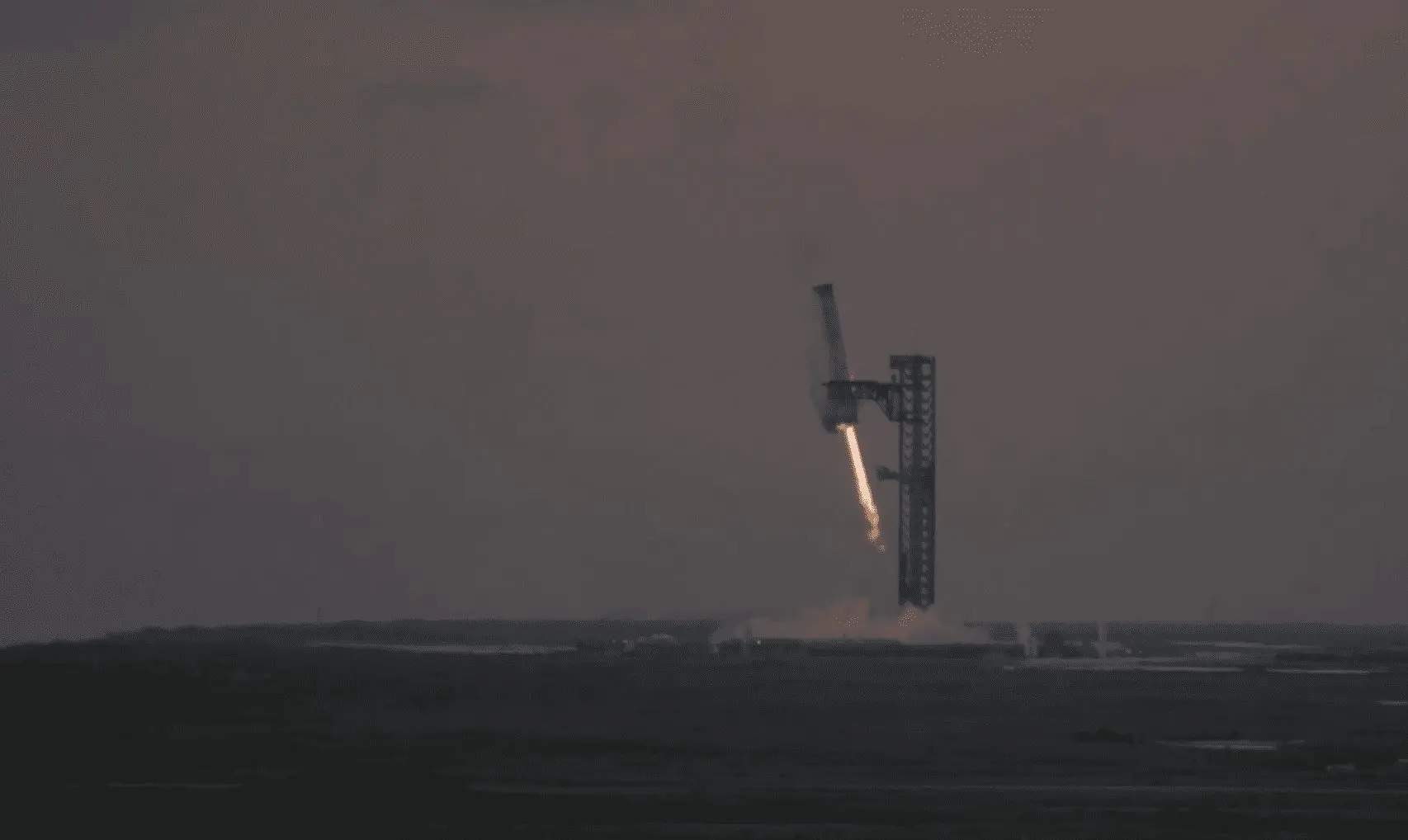
California officials have rejected SpaceX’s plans to increase rocket launches from the state’s coast, citing concerns over Elon Musk’s political posts on X and his labor record at his companies. The California Coastal Commission voted 6-4 against the plan, which would have allowed SpaceX to conduct up to 50 rocket launches a year from Vandenberg Space Force Base in Santa Barbara County.
Military officials had argued that the launches benefit military objectives, but commissioners questioned whether SpaceX’s private satellite internet company, Starlink, should be considered federal activity. Commissioners also raised concerns over Musk’s recent social media posts, including his decision to insert himself into the presidential race and spread conspiracy theories. Key individuals involved in the decision include California Coastal Commission Chair Caryl Hart, Commissioner Mike Wilson, and Ravi Chaudhary, assistant secretary of the Air Force for energy, installations, and environment.
California Coastal Commission Rejects SpaceX’s Plan for Increased Rocket Launches
The California Coastal Commission has rejected SpaceX’s plan to increase its rocket launches from Vandenberg Space Force Base in Santa Barbara County, citing concerns over the company’s growing private interests and potential environmental impacts. The commission voted 6-4 against the agreement, which would have allowed SpaceX to conduct up to 50 rocket launches per year.
Concerns Over Private Interests
Commissioners expressed concerns that most of the equipment being launched was for the benefit of a private company, rather than the U.S. government. They pointed to reports that Starlink, SpaceX’s satellite internet service, had refused to allow Ukraine to use its services to help carry out an attack against Russia in September 2022. Elon Musk, CEO of SpaceX and owner of X, had stated on X that he did not agree to the request because it would make Starlink “explicitly complicit in a major act of war and conflict escalation.”
Commissioner Gretchen Newsom questioned how the commission could be assured that equipment being launched would benefit U.S. interests if most of it was for the benefit of a private company. Commissioner Wilson asked how the commission could trust that SpaceX’s activities were aligned with U.S. government interests, given Musk’s recent statements on X about political retribution.
Environmental Concerns
The commission also raised concerns over the environmental impacts of the increased rocket launches. Residents from Lompoc to Camarillo reported feeling the impacts of sonic booms for months, and Space Force officials acknowledged that changes in flight trajectories had made the sonic booms audible to people in Santa Barbara, Ventura, and Los Angeles counties.
Commissioners asked military officials to better monitor and mitigate the effects of the rocket launches on the environment and coast. The commission works to reach agreements with the military to mitigate the effects of its activities on the environment and coast, but it cannot unilaterally impose restrictions or conditions on the military.
SpaceX’s Rapid Expansion
SpaceX’s rapid expansion has pitted the company against state and federal agencies at times. Musk has used X to criticize the Federal Aviation Administration (FAA) after the agency proposed fining SpaceX over license requirements and for delays over the licensing of the SpaceX Starship 5.
The California Coastal Commission also raised concerns this year over the launches, citing reports that sonic booms were jolting and startling residents and wildlife across the coast. Initially, military officials reported that sonic booms from rocket blasts out of Vandenberg Space Force base were rare, but Air Force officials later acknowledged that sonic booms were regularly reaching across more than 100 miles of coastline.
Military Response
Despite the commission’s rejection of the agreement, officials at Vandenberg Space Force Base stated that they were not deterred from working with the commission and finding a solution. Ravi Chaudhary, assistant secretary of the Air Force for energy, installations, and environment, said in a statement, “Today’s vote hasn’t changed the [Department of the Air Force’s] or Vandenberg’s unwavering commitment to preserving the California coastline and the precious species that reside there.”
Chaudhary added that the Space Force’s dedication to collaboration was unprecedented, as was its commitment to ensuring dialogue continued. Military officials had seemingly reversed their stance on monitoring and mitigation efforts, agreeing to commission requests to increase monitoring and set up an interagency working group to address concerns as the number of launches increases.
However, commissioners plainly stated that it should be SpaceX representatives who apply for permits for the company’s growing rocket program, not military officials. As Commissioner Hart said, “It is essential that SpaceX apply for a [Coastal Development Permit]. We’re going to hit a wall here.”
External Link: Click Here For More




See today’s quantum computing news on Quantum Zeitgeist for the latest breakthroughs in qubits, hardware, algorithms, and industry deals.