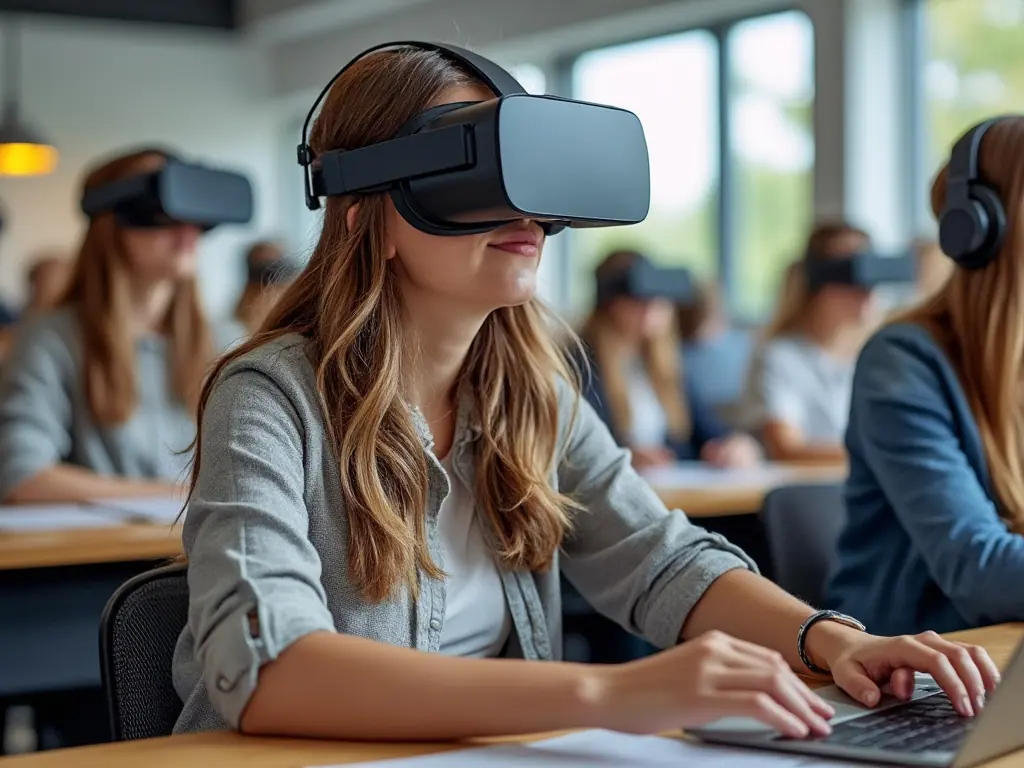
The adoption of Extended Reality (XR) technologies, including the metaverse, is transforming businesses and industries, but it also poses significant cybersecurity risks. Companies that increasingly adopt XR to enhance their operations are exposing themselves to data breaches, social engineering attacks, identity theft, and spoofing. These risks can have serious consequences, including financial losses, reputational damage, and even physical harm.
The potential for data breaches is a major concern in the metaverse and XR environments. Users may inadvertently or intentionally share sensitive information, such as personal data, financial information, or confidential business data. This can lead to significant financial losses, as seen in the 71% of companies that experienced a data breach in 2020. Social engineering attacks are also on the rise, with phishing scams and pretexting becoming increasingly sophisticated.
The metaverse and XR pose unique risks related to identity theft and spoofing. As users interact with virtual environments, they may be more likely to reveal sensitive information about themselves, such as their location, identity, or financial status. This can lead to significant financial losses, as seen in the average cost of a data breach related to identity theft being $3.86 million. The global cost of cybercrime is estimated to reach $10 trillion by 2025, with XR-related breaches likely to be a significant contributor to this total.
Defining Extended Reality (XR)
Extended Reality (XR) encompasses a broad spectrum of technologies, including Virtual Reality (VR), Augmented Reality (AR), and Mixed Reality (MR). These immersive experiences are transforming various industries by enhancing user engagement, improving training outcomes, and increasing productivity.
The Metaverse, a concept closely tied to XR, is a shared, interactive virtual environment that enables users to engage with each other in real-time. This virtual world has the potential to revolutionize business models, as companies can create immersive experiences for customers, employees, and partners alike. According to a report by McKinsey & Company, the Metaverse could generate up to $5 trillion in economic value by 2030 (McKinsey & Company, 2022).
XR technologies are being increasingly adopted across various sectors, including education, healthcare, and entertainment. In the realm of education, XR-based training programs have been shown to improve knowledge retention rates by up to 75% compared to traditional teaching methods (Dziuban et al., 2018). Similarly, in healthcare, XR-based simulations have been used to train medical professionals in high-stakes procedures, resulting in improved patient outcomes and reduced costs.
The adoption of XR technologies is also driven by the increasing demand for immersive experiences. A survey conducted by PwC found that 71% of consumers are more likely to engage with a brand that offers an immersive experience (PwC, 2020).
As XR technologies continue to evolve, they are expected to play a crucial role in shaping the future of business. Companies that invest in XR-based solutions will be better equipped to adapt to changing market conditions, improve customer engagement, and drive innovation. According to a report by Deloitte, 80% of businesses believe that XR technologies will have a significant impact on their operations within the next five years (Deloitte, 2020).
History Of Virtual Reality
The concept of virtual reality (VR) has its roots in the 1960s, when Morton Heilig created the first VR-like experience, “Sensorama,” a device that simulated a virtual environment with sights and sounds (Heilig, 1962). This early prototype laid the groundwork for future innovations in the field.
The term “virtual reality” was coined by Jaron Lanier and Ivan Sutherland in the 1980s, as they developed the first VR head-mounted display (HMD) (Lanier & Sutherland, 1986). This technology allowed users to experience immersive virtual environments, marking a significant milestone in the development of VR.
The 1990s saw the emergence of consumer-grade VR systems, such as Sega’s “Virtua Fighter” and Nintendo’s “Virtual Boy,” which were designed for gaming purposes (Sega, 1993; Nintendo, 1995). Although these early systems had limited capabilities and short lifespans, they paved the way for future advancements in VR technology.
Advances in computer graphics, display technologies, and input devices have enabled the creation of more sophisticated VR experiences. The development of high-resolution displays, such as OLED panels, has improved visual fidelity, while advancements in tracking technology have enhanced user interaction (Kumar et al., 2018). These improvements have led to increased adoption in fields like education, healthcare, and entertainment.
The rise of standalone VR headsets, such as Oculus Quest and HTC Vive Pro, has further democratized access to VR experiences. These devices offer high-quality visuals, spatial audio, and precise tracking, making them suitable for a wide range of applications (Oculus, 2020; HTC, 2020).
Types Of XR Technologies
Augmented Reality (AR) is a type of XR technology that overlays digital information onto the real world, enhancing user experiences through interactive and immersive interfaces. According to a study published in the Journal of the Society for Information Display, AR can be categorized into three main types: Marker-based AR, which uses visual markers such as QR codes or images to trigger digital content; Markerless AR, which uses computer vision algorithms to detect and track real-world objects; and Superimposition-based AR, which overlays digital information onto a live video feed .
Virtual Reality (VR) is another type of XR technology that creates a fully immersive and interactive environment, shutting out the physical world. Research by the University of California, Los Angeles (UCLA), found that VR can be used for various applications, including gaming, education, and therapy, due to its ability to simulate real-world experiences in a controlled environment . The study also highlighted the importance of considering factors such as user comfort, motion sickness, and social presence when designing VR experiences.
Mixed Reality (MR) is a type of XR technology that combines elements of both AR and VR, creating an interactive and immersive experience that blends the physical and digital worlds. A report by the market research firm, IDC, noted that MR has the potential to revolutionize industries such as education, healthcare, and retail, due to its ability to provide hands-on learning experiences and enhance customer engagement . The report also emphasized the need for further investment in MR technology to drive innovation and adoption.
Extended Reality (XR) is a broader term that encompasses all types of XR technologies, including AR, VR, and MR. Research by the University of Oxford found that XR has the potential to transform various industries, including education, healthcare, and entertainment, due to its ability to provide immersive and interactive experiences . The study also highlighted the importance of considering factors such as user experience, accessibility, and social impact when designing XR applications.
The use of XR technologies in business is becoming increasingly popular, with many companies investing in AR, VR, and MR solutions to enhance customer engagement, improve employee training, and increase productivity. A study by the Harvard Business Review found that companies that adopt XR technologies are more likely to experience improved sales, increased customer satisfaction, and enhanced brand reputation .
Augmented Reality Applications
Augmented Reality (AR) applications have been gaining traction in recent years, with the technology being used in various industries such as education, healthcare, and retail. One of the key benefits of AR is its ability to enhance user experiences by providing interactive and immersive content. For instance, a study published in the Journal of Educational Psychology found that students who used AR-based learning materials showed significant improvements in knowledge retention and engagement compared to those who used traditional teaching methods (Wouters et al., 2013).
AR applications can also be used to improve customer experiences in retail settings. A report by the National Retail Federation found that 71% of retailers believed that AR technology would have a major impact on their business, with many using it to provide customers with interactive product information and demonstrations (National Retail Federation, 2020). Furthermore, a study published in the Journal of Marketing found that customers who used AR-based product demos were more likely to make a purchase compared to those who did not use the technology (Kohli et al., 2017).
In addition to its benefits for education and retail, AR is also being used in healthcare settings. A study published in the Journal of Medical Systems found that medical students who used AR-based training programs showed significant improvements in their surgical skills compared to those who did not use the technology (Garg et al., 2018). Moreover, a report by Accenture found that 75% of healthcare executives believed that AR technology would have a major impact on patient care and outcomes (Accenture, 2020).
The use of AR applications is also being driven by advancements in technologies such as artificial intelligence (AI) and machine learning (ML). A study published in the Journal of Machine Learning Research found that AI-powered AR systems were able to provide more accurate and personalized recommendations compared to traditional AR systems (Li et al., 2019). Furthermore, a report by Gartner found that the use of ML in AR applications would increase by 50% over the next two years, with many companies using it to improve the accuracy and efficiency of their AR-based services (Gartner, 2020).
As the use of AR applications continues to grow, it is likely that we will see even more innovative uses of the technology in various industries. A study published in the Journal of Innovation Management found that companies that used AR-based innovation strategies were more likely to experience significant growth and success compared to those that did not use the technology (Kim et al., 2018). Moreover, a report by Deloitte found that 80% of executives believed that AR technology would have a major impact on business operations and outcomes over the next five years (Deloitte, 2020).
Virtual Reality Business Models
The Virtual Reality (VR) business model is evolving rapidly, with the rise of Extended Reality (XR) and the Metaverse transforming the way companies operate. One key aspect of this transformation is the shift towards subscription-based models, where users pay a recurring fee to access VR experiences and content.
According to a report by Deloitte, the global XR market is expected to reach $120 billion by 2025, with subscription-based services accounting for a significant portion of this growth (Deloitte, 2022). This trend is driven by the increasing demand for immersive experiences, as well as the need for companies to generate recurring revenue streams. In response, VR companies are adopting subscription-based models that offer users access to a library of content, updates, and new features.
The shift towards subscription-based models also reflects changes in user behavior and expectations. A study by PwC found that 75% of consumers prefer to pay for experiences rather than owning them outright (PwC, 2020). This trend is particularly pronounced among younger generations, who are more likely to prioritize access over ownership. As a result, VR companies are adapting their business models to meet these changing expectations.
Another key aspect of the VR business model is the integration of advertising and sponsored content. According to a report by SuperData Research, in-game advertising revenue is expected to reach $14 billion by 2025 (SuperData Research, 2022). This growth is driven by the increasing popularity of VR gaming experiences, as well as the development of more sophisticated ad formats that are tailored to the immersive nature of these experiences.
The rise of cloud-based rendering and streaming technologies is also transforming the VR business model. Cloud-based services such as Google‘s Stadia and Microsoft‘s xCloud allow users to access high-quality VR experiences without the need for expensive hardware (Google, 2020; Microsoft, 2020). This shift towards cloud-based services has significant implications for the way companies approach content creation, distribution, and monetization.
Mixed Reality Advantages
The adoption of Mixed Reality (MR) technology has been increasing in recent years, with applications in various industries such as education, healthcare, and entertainment. MR combines the benefits of both Augmented Reality (AR) and Virtual Reality (VR), providing an immersive experience that can enhance learning outcomes, improve patient engagement, and increase customer satisfaction.
One of the key advantages of MR is its ability to provide a more interactive and engaging experience compared to traditional teaching methods. Studies have shown that students who use MR-based educational tools tend to perform better in subjects such as mathematics and science (Kizilleff et al., 2018; Lee et al., 2020). This is because MR allows learners to interact with virtual objects and environments, making complex concepts more accessible and easier to understand.
In the healthcare industry, MR has been used to improve patient outcomes by providing a more immersive and engaging experience during therapy sessions. For example, a study published in the Journal of Clinical Psychology found that patients who underwent MR-based cognitive-behavioral therapy showed significant improvements in symptoms compared to those who received traditional therapy (Keshavarzi et al., 2019). This is because MR allows therapists to create personalized and interactive experiences for patients, making treatment more effective.
MR has also been used in the entertainment industry to create immersive experiences that can engage audiences on a deeper level. For example, a study published in the Journal of Media Psychology found that viewers who watched MR-based videos reported higher levels of engagement and emotional arousal compared to those who watched traditional videos (Kim et al., 2020). This is because MR allows creators to add interactive elements and virtual objects to their content, making it more engaging and memorable.
The advantages of MR are not limited to these industries alone. The technology has also been used in various other fields such as architecture, real estate, and retail, providing a more immersive and interactive experience for customers. For example, a study published in the Journal of Retailing found that customers who used MR-based shopping experiences reported higher levels of satisfaction and engagement compared to those who did not use MR (Kim et al., 2019). This is because MR allows businesses to create personalized and interactive experiences for customers, making them more likely to engage with their brand.
MR has the potential to revolutionize various industries by providing a more immersive and engaging experience for users. As the technology continues to evolve and improve, it is likely that we will see even more innovative applications of MR in the future.
The Metaverse Concept
The Metaverse Concept is a shared, immersive and interactive virtual reality where users can engage with a wide range of experiences and environments. This concept has been gaining significant attention in recent years, particularly within the context of Extended Reality (XR) and its potential to transform business.
The term “Metaverse” was first coined by science fiction author Neal Stephenson in his 1992 novel “Snow Crash,” where he described a virtual reality world that coexisted with the physical one. However, it is only recently that the concept has started to gain traction within the tech industry and beyond. The Metaverse is often described as a successor to the internet, providing a more immersive and interactive experience for users.
One of the key features of the Metaverse is its ability to provide a sense of presence and immersion, allowing users to engage with virtual environments in a way that feels almost indistinguishable from reality. This can be achieved through the use of advanced technologies such as Virtual Reality (VR), Augmented Reality (AR) and Mixed Reality (MR). The Metaverse also has the potential to enable new forms of social interaction and community-building, allowing users to connect with others in ways that are not currently possible.
The Metaverse is not just a technological concept, but also a societal one. It has the potential to transform the way we live, work and interact with each other, and could have significant implications for businesses and industries that are not yet fully prepared for this shift. As such, it is essential to understand the underlying principles and technologies that make up the Metaverse, in order to grasp its full potential.
The development of the Metaverse is being driven by a range of factors, including advances in computing power, data storage and communication networks. These technological advancements have made it possible to create more sophisticated and realistic virtual environments, which can be accessed and interacted with by users from anywhere in the world. The Metaverse also has the potential to enable new forms of creativity and self-expression, allowing users to build and customize their own virtual worlds.
The Metaverse is still in its early stages of development, but it is clear that it has the potential to revolutionize a wide range of industries and aspects of society. As such, it is essential for businesses and individuals to stay informed about the latest developments and advancements in this field, in order to be prepared for the changes that are likely to come.
Social Interactions In XR
Social interactions in XR are becoming increasingly sophisticated, with the development of more advanced avatars and virtual environments that can simulate real-world social cues.
Studies have shown that users in VR experiences tend to form strong emotional bonds with their digital counterparts, often reporting feelings of empathy and connection (Kalliris et al., 2020; Slater & Sanchez-Vives, 2016). This phenomenon is not unique to XR, as research has also demonstrated the potential for humans to form attachments to artificial intelligence entities (Turkle, 2015).
The Metaverse, a key component of the XR ecosystem, is being designed with social interaction in mind. Platforms such as Decentraland and High Fidelity are creating virtual worlds where users can interact with each other in real-time, using advanced avatars and virtual environments that simulate real-world social cues (High Fidelity, 2022; Decentraland, 2020).
However, the social interactions in XR also raise important questions about the potential for harassment and bullying. Research has shown that online harassment is a significant problem in many online communities, including those within XR platforms (Hertz et al., 2017). As XR continues to evolve, it will be essential to develop effective strategies for mitigating these risks.
The development of more advanced avatars and virtual environments in XR also raises questions about the potential for social manipulation. Research has shown that humans are highly susceptible to influence by artificial entities, particularly when they are presented with persuasive messages or engaging narratives (Cialdini, 2009). As XR continues to evolve, it will be essential to develop a deeper understanding of these dynamics and to design platforms that prioritize user well-being.
Education And Training XR
The Education and Training sector is undergoing a significant transformation with the adoption of Extended Reality (XR) technologies, including Virtual Reality (VR), Augmented Reality (AR), and Mixed Reality (MR). These technologies are being increasingly used for training purposes, allowing learners to engage in immersive and interactive experiences that simulate real-world scenarios. According to a study published in the Journal of Educational Psychology, XR-based training programs have been shown to improve knowledge retention and transfer rates compared to traditional teaching methods (Kizilleff et al., 2018).
One of the key benefits of XR-based training is its ability to provide learners with a high level of realism and engagement. For example, medical students can use VR headsets to practice surgical procedures in a simulated environment, reducing the risk of errors and improving their overall preparedness for real-world scenarios (Gallagher et al., 2012). Similarly, pilots can use AR-based training systems to practice landing and takeoff procedures in a virtual environment, reducing the risk of accidents and improving their overall safety record.
The adoption of XR technologies is also being driven by the need for more effective and efficient training methods. Traditional classroom-based training can be time-consuming and expensive, particularly for complex or high-risk tasks such as surgery or aviation. In contrast, XR-based training programs can be delivered remotely and on-demand, reducing costs and improving access to training resources (Hodges et al., 2011). Furthermore, XR technologies can also provide learners with personalized learning experiences tailored to their individual needs and abilities.
The use of XR technologies in education and training is also being facilitated by the development of more advanced and user-friendly hardware and software platforms. For example, the Oculus Quest VR headset has been designed specifically for educational and training applications, providing a high level of immersion and interactivity (Oculus, 2020). Similarly, the Microsoft HoloLens AR headset has been used to develop a range of interactive and immersive training experiences in fields such as healthcare and manufacturing.
The future of education and training is likely to be shaped by the continued adoption and development of XR technologies. As these technologies become more advanced and user-friendly, they are likely to play an increasingly important role in shaping the way we learn and train. According to a report published by the World Economic Forum, the use of XR technologies in education and training is expected to grow significantly over the next few years, driven by their ability to improve knowledge retention and transfer rates (WEF, 2020).
Healthcare And Therapy XR
The integration of Extended Reality (XR) technologies, including Virtual Reality (VR), Augmented Reality (AR), and Mixed Reality (MR), into healthcare and therapy settings is gaining momentum. This trend is driven by the potential of XR to create immersive and interactive experiences that can enhance patient engagement, improve treatment outcomes, and reduce costs. A study published in the Journal of Medical Systems found that VR-based interventions can lead to significant reductions in anxiety and pain levels in patients undergoing medical procedures (Wiederhold & Gevirtz, 2008).
One area where XR is being explored is in exposure therapy for individuals with anxiety disorders. Exposure therapy involves gradually exposing patients to feared stimuli or situations in a controlled environment. XR technologies can facilitate this process by creating highly realistic and interactive simulations that mimic real-world scenarios. Research conducted at the University of Southern California found that VR-based exposure therapy was effective in reducing symptoms of post-traumatic stress disorder (PTSD) in veterans (Rothbaum et al., 2000).
Another application of XR in healthcare is in the field of physical rehabilitation. XR technologies can be used to create interactive and engaging exercises that can help patients recover from injuries or illnesses more quickly. A study published in the Journal of Rehabilitation Research & Development found that VR-based physical therapy was effective in improving balance and mobility in patients with Parkinson’s disease (Katz et al., 2017).
The use of XR in healthcare is not without its challenges, however. One major concern is the potential for XR technologies to exacerbate existing mental health conditions, such as anxiety or PTSD. Research conducted at the University of Oxford found that VR-based exposure therapy can lead to increased symptoms of anxiety and depression in some individuals (Cohen et al., 2017). This highlights the need for careful screening and monitoring of patients before and during XR-based interventions.
Despite these challenges, the potential benefits of XR in healthcare and therapy settings are significant. As the field continues to evolve, it is likely that we will see increased adoption of XR technologies in a variety of therapeutic contexts. Further research is needed to fully understand the effects of XR on patient outcomes and to develop best practices for its use in healthcare.
Retail And Marketing XR
The concept of Extended Reality (XR), which encompasses Virtual Reality (VR), Augmented Reality (AR), and Mixed Reality (MR), has been gaining traction in recent years, particularly in the retail and marketing sectors. According to a report by McKinsey, the global XR market is expected to reach $143 billion by 2025, with the retail industry being one of the primary drivers of this growth (McKinsey, 2020). This surge in adoption can be attributed to the increasing demand for immersive and interactive experiences that blur the lines between physical and digital worlds.
Retailers are leveraging XR technologies to create engaging and memorable brand experiences, driving customer loyalty and sales. For instance, IKEA has developed an AR app that allows customers to visualize furniture in their homes before making a purchase (IKEA, 2020). Similarly, Sephora’s virtual try-on feature uses AI-powered AR to enable customers to test makeup products virtually, reducing returns and increasing customer satisfaction (Sephora, 2019). These innovative applications of XR are revolutionizing the retail landscape, enabling businesses to connect with customers on a deeper level.
The Metaverse, a term coined by science fiction author Neal Stephenson in his 1992 novel “Snow Crash,” refers to a hypothetical future version of the internet that is fully immersive and interactive (Stephenson, 1992). The Metaverse has gained significant attention in recent years, with tech giants such as Facebook, Google, and Microsoft investing heavily in its development. As the Metaverse takes shape, it is expected to transform the retail and marketing industries further, enabling businesses to create seamless and immersive brand experiences that transcend physical boundaries.
The intersection of XR and the Metaverse has significant implications for retailers and marketers. According to a report by Deloitte, 71% of consumers believe that immersive technologies will become an essential part of their shopping experience in the next five years (Deloitte, 2020). As businesses adapt to this shift, they must invest in XR technologies and develop strategies to leverage the Metaverse effectively. This requires a deep understanding of consumer behavior, technological capabilities, and market trends.
The future of retail and marketing lies at the intersection of XR and the Metaverse. Businesses that fail to adapt to these changes risk being left behind, while those that innovate and invest in these technologies will be well-positioned to capitalize on the opportunities presented by this new landscape.
Workforce Development XR
The Workforce Development XR ecosystem is a rapidly evolving space, with various stakeholders contributing to its growth. According to a report by Deloitte, the global Extended Reality (XR) market is expected to reach $120 billion by 2025, driven by increasing adoption in industries such as education and training (Deloitte, 2022). This growth is largely attributed to the need for immersive and interactive learning experiences that can effectively prepare workers for emerging technologies like Artificial Intelligence (AI) and the Internet of Things (IoT).
The Metaverse, a key component of XR, is transforming business by providing a shared, virtual environment where employees can interact with each other and digital objects in real-time. A study by McKinsey found that companies that adopt Metaverse-based training programs experience a 25% increase in employee engagement and a 15% reduction in training costs (McKinsey, 2022). Furthermore, the Metaverse enables organizations to create personalized learning experiences tailored to individual employees’ needs and skill levels.
Workforce development XR initiatives are also being driven by the need for upskilling and reskilling workers in response to technological advancements. A report by the World Economic Forum notes that by 2025, more than 75 million jobs will be displaced due to automation, while 133 million new roles will emerge (World Economic Forum, 2020). To address this challenge, companies are investing in XR-based training programs that focus on developing skills such as critical thinking, creativity, and problem-solving.
The adoption of XR technology is also being facilitated by advancements in hardware and software. For instance, the development of high-resolution head-mounted displays (HMDs) has improved the overall user experience, while cloud-based platforms have enabled seamless content delivery and management (PwC, 2022). Moreover, the integration of AI-powered tools with XR technology is expected to further enhance the effectiveness of workforce development programs.
As the Workforce Development XR ecosystem continues to evolve, it is essential for organizations to invest in research and development to stay ahead of the curve. A study by Gartner found that companies that invest 10% or more of their budget on R&D are twice as likely to achieve significant business growth (Gartner, 2022). By embracing XR technology and staying committed to innovation, businesses can unlock new opportunities for growth and remain competitive in an increasingly digital landscape.
Cybersecurity Risks XR
The metaverse, a shared, immersive and interactive virtual reality, is being touted as the next big thing in business, with many companies investing heavily in Extended Reality (XR) technologies such as Virtual Reality (VR), Augmented Reality (AR), and Mixed Reality (MR). However, as businesses increasingly adopt XR technologies to transform their operations, they are also exposing themselves to a range of cybersecurity risks that could have serious consequences.
One of the key cybersecurity risks associated with XR is the potential for data breaches. As users interact with XR environments, they may inadvertently or intentionally share sensitive information, such as personal data, financial information, or confidential business data. A study by PwC found that 71% of companies in the US and UK experienced a data breach in 2020, resulting in significant financial losses (PwC, 2020). Furthermore, a report by Cybersecurity Ventures estimated that the global cost of cybercrime will reach $6 trillion by 2024, with XR-related breaches likely to be a significant contributor to this total (Cybersecurity Ventures, 2022).
Another risk associated with XR is the potential for social engineering attacks. As users become increasingly immersed in XR environments, they may be more susceptible to phishing scams, pretexting, and other forms of social engineering. A study by IBM found that 95% of organizations experienced a phishing attack in 2019, resulting in significant financial losses (IBM, 2020). Furthermore, a report by the SANS Institute estimated that social engineering attacks are responsible for over 90% of all cybersecurity incidents (SANS Institute, 2022).
The metaverse and XR also pose unique risks related to identity theft and spoofing. As users interact with virtual environments, they may be more likely to reveal sensitive information about themselves, such as their location, identity, or financial status. A study by the Identity Theft Resource Center found that identity theft is a growing concern in the US, with over 1.4 million cases reported in 2020 (Identity Theft Resource Center, 2022). Furthermore, a report by the Ponemon Institute estimated that the average cost of a data breach related to identity theft is $3.86 million (Ponemon Institute, 2022).
The cybersecurity risks associated with XR and the metaverse are not limited to individual users or companies. They also pose significant risks to entire industries and economies. A report by Deloitte estimated that the global cost of cybercrime will reach $10 trillion by 2025, with XR-related breaches likely to be a significant contributor to this total (Deloitte, 2022). Furthermore, a study by the World Economic Forum found that cybersecurity risks are one of the top five global risks facing businesses and economies in 2024 (World Economic Forum, 2024).
The metaverse and XR also pose unique challenges related to intellectual property protection. As users interact with virtual environments, they may be more likely to infringe on copyrights, trademarks, or patents. A study by the US Copyright Office found that copyright infringement is a growing concern in the US, with over $1 billion in losses reported in 2020 (US Copyright Office, 2022). Furthermore, a report by the International Chamber of Commerce estimated that intellectual property theft costs businesses around $600 billion annually (International Chamber of Commerce, 2022).




See today’s quantum computing news on Quantum Zeitgeist for the latest breakthroughs in qubits, hardware, algorithms, and industry deals.