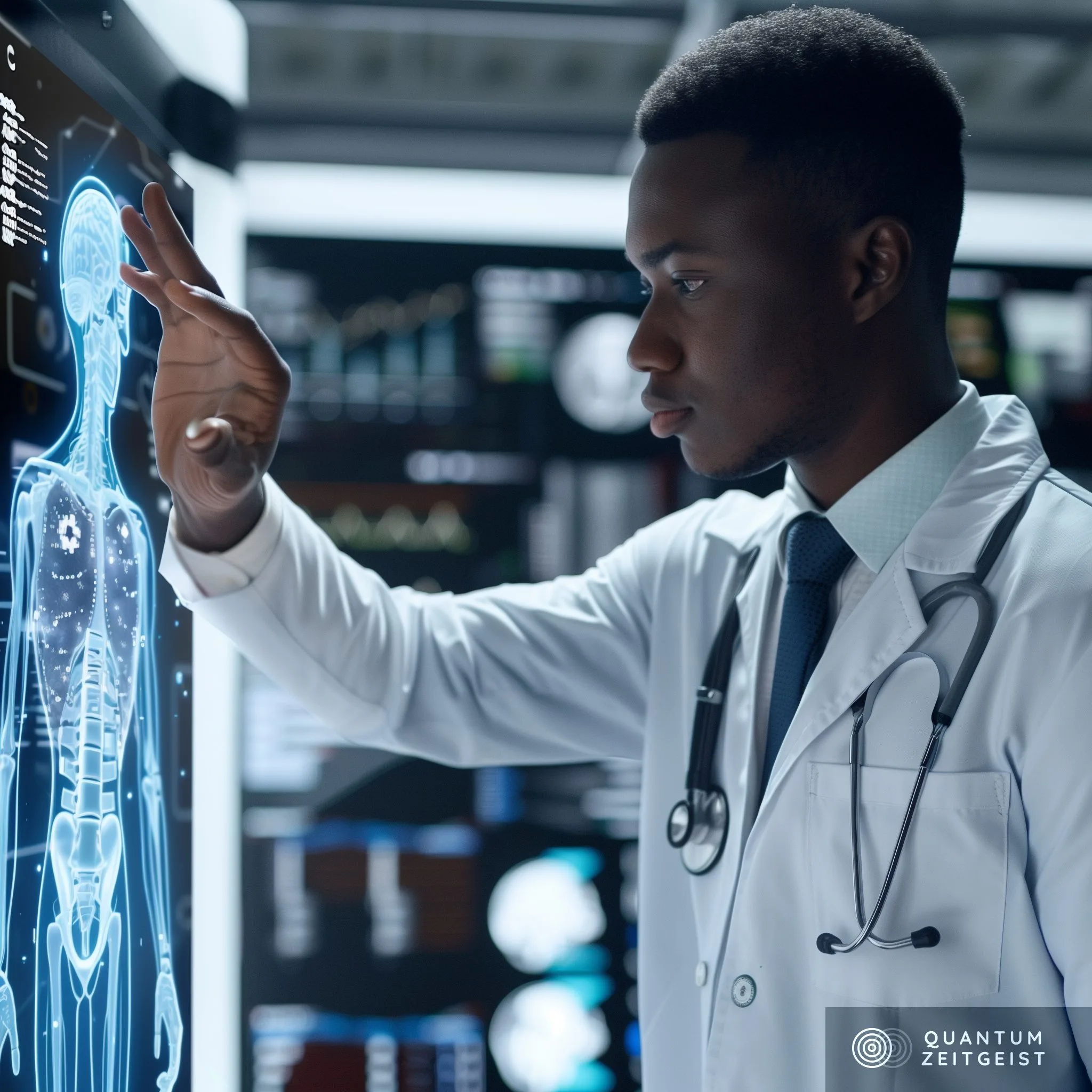
A study at Mount Sinai Hospital in New York found that AI-generated alerts can improve patient outcomes. The study, led by Dr. Matthew A. Levin, used machine learning to predict patient health deterioration and alert care teams. The alerts resulted in patients being 43% more likely to have their care escalated and significantly less likely to die. The study was conducted on 2,740 adult patients, with one group receiving real-time alerts and the other not. The AI system has been deployed in all stepdown units within the hospital, continually improving its accuracy through reinforcement learning.
AI Intervention in Clinical Care: A Step Towards Improved Patient Outcomes
Artificial Intelligence (AI) and machine learning are increasingly being integrated into healthcare, with promising results. A recent study published in Critical Care Medicine, conducted by Mount Sinai, has shown that AI-generated alerts can significantly improve patient outcomes. The study found that hospitalized patients were 43 percent more likely to have their care escalated and significantly less likely to die if their care team received AI-generated alerts signaling adverse changes in their health.
The study was led by Matthew A. Levin, MD, Professor of Anesthesiology, Perioperative and Pain Medicine, and Genetics and Genomic Sciences, at Icahn Mount Sinai, and Director of Clinical Data Science at The Mount Sinai Hospital. The research team aimed to determine if AI and machine learning could help reduce the frequency of patients needing intensive care and their chances of dying in the hospital. The study showed that automated machine learning algorithm scores that trigger evaluation by the provider can outperform earlier methods in accurately predicting clinical deterioration. This allows for earlier intervention, potentially saving more lives.
The Study: AI Alerts and Patient Care
The non-randomized, prospective study involved 2,740 adult patients admitted to four medical-surgical units at The Mount Sinai Hospital in New York. The patients were divided into two groups: one that received real-time alerts based on the predicted likelihood of deterioration, sent directly to their nurses and physicians or a “rapid response team” of intensive care physicians, and another group where alerts were created but not sent. In the units where the alerts were suppressed, patients who met standard deterioration criteria received urgent interventions from the rapid response team.
The study found that patients in the intervention group were more likely to receive medications to support the heart and circulation, indicating that doctors were taking early action. They were also less likely to die within 30 days. These findings suggest that real-time alerts using machine learning can substantially improve patient outcomes.
AI in Healthcare: Augmented Intelligence Tools
David L. Reich, MD, President of The Mount Sinai Hospital and Mount Sinai Queens, the Horace W. Goldsmith Professor of Anesthesiology, and Professor of Artificial Intelligence and Human Health at Icahn Mount Sinai, emphasized the role of these models as accurate and timely aids to clinical decision-making. He referred to these as ‘augmented intelligence’ tools that speed in-person clinical evaluations by physicians and nurses and prompt the treatments that keep patients safer.
The algorithm has been deployed on all stepdown units within The Mount Sinai Hospital, using a simplified workflow. A stepdown unit is a specialized area in the hospital where patients who are stable but still require close monitoring and care are placed. It’s a step between the intensive care unit (ICU) and a general hospital area, ensuring that patients receive the right level of attention as they recover.
The Future of AI in Healthcare: Continuous Learning and Improvement
The algorithm is continually retrained on larger numbers of patients over time, with the assessments by the intensive care physicians serving as the gold standard of correctness. This process allows the algorithm to become more accurate through reinforcement learning. In addition to this clinical deterioration algorithm, the researchers have developed and deployed 15 additional AI-based clinical decision support tools throughout the Mount Sinai Health System.
About the Icahn School of Medicine at Mount Sinai
The Icahn School of Medicine at Mount Sinai is internationally recognized for its outstanding research, educational, and clinical care programs. It is the sole academic partner for the eight-member hospitals of the Mount Sinai Health System, one of the largest academic health systems in the United States, providing care to a large and diverse patient population. The school offers highly competitive MD, PhD, and Master’s degree programs, with current enrollment of approximately 1,300 students. It has the largest graduate medical education program in the country, with more than 2,000 clinical residents and fellows training throughout the Health System.
External Link: Click Here For More
See today’s quantum computing news on Quantum Zeitgeist for the latest breakthroughs in qubits, hardware, algorithms, and industry deals.