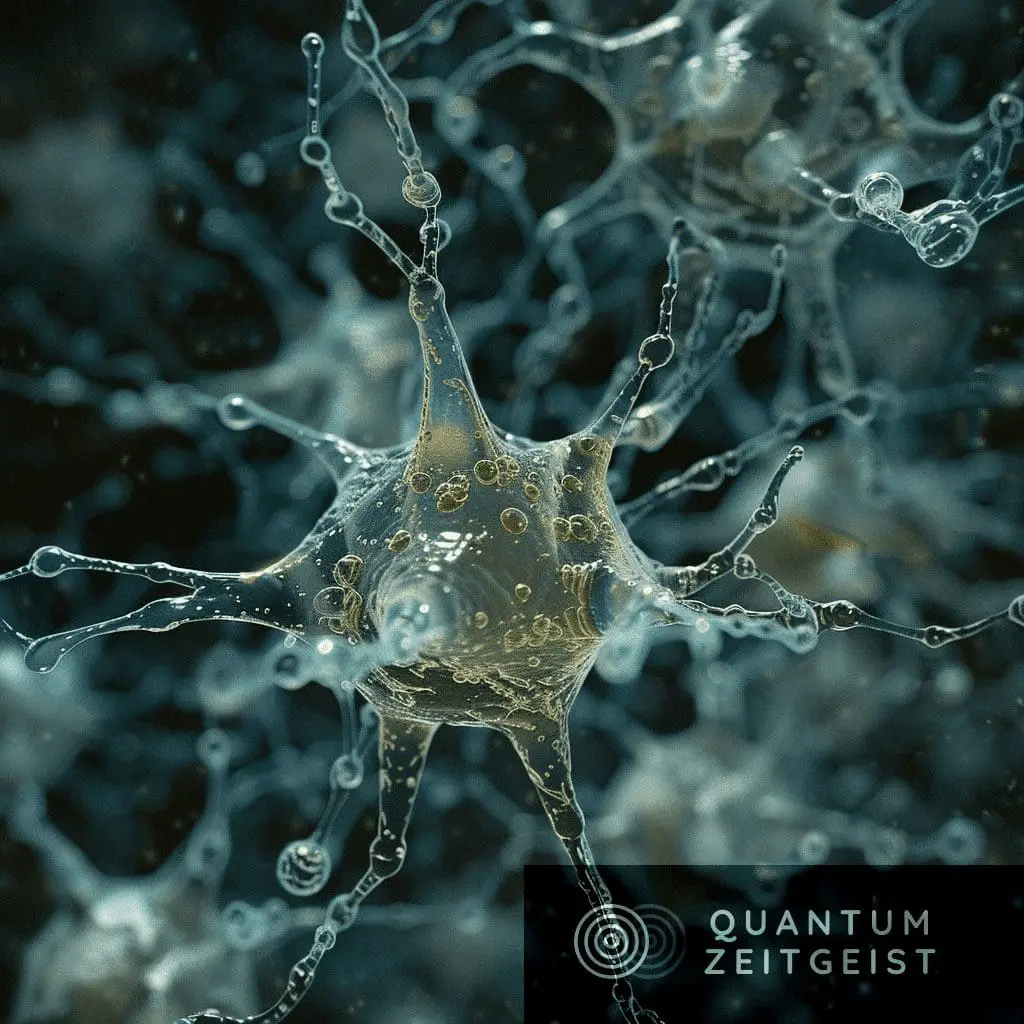
Quantum Neural Networks (QNNs) are a new architecture that merges quantum and classical computing to create hybrid quantum-classical algorithms. Developed by researcher Srinivasa Rao Gundu, QNNs aim to facilitate efficient data sharing and communication between the two computing paradigms. The architecture comprises an interface layer, a classical layer, and a quantum layer. QNNs can solve complex problems faster than traditional computers, potentially revolutionizing various industries. However, challenges such as limited qubit coherence and inherent noise exist. The research aims to improve the convergence and accuracy of solutions using strategies like quantum gradient descent and quantum backpropagation.
What are Quantum Neural Networks, and How Do They Work?
Quantum Neural Networks (QNNs) are a novel architecture that combines the benefits of both quantum and classical computing paradigms to create hybrid quantum-classical algorithms. This innovative design is the brainchild of researcher Srinivasa Rao Gundu. The primary objective of this proposition is to utilize QNNs to propose a unique architecture for hybrid quantum-classical calculations that will facilitate efficient data sharing and communication between the two paradigms.
The architecture of QNNs consists of three fundamental parts: the interface layer, the classical layer, and the quantum layer. The interface layer bridges the classical and quantum layers, facilitating the exchange of information and communication. The classical layer is responsible for traditional computing tasks, while the quantum layer leverages the power of quantum computing to solve complex problems.
The performance of this architecture is compared with existing methods to demonstrate its advantages in terms of speed, accuracy, and scalability. With the help of this innovative design, complex issues that are outside the capabilities of conventional computers can now be tackled, offering a workable solution for issues with finance, logistics, and medication development.
Why are Quantum Neural Networks Important?
The capacity of quantum computing to tackle complex problems faster than general computers might lead to industrial revolutions. However, implementation is problematic due to limited qubit coherence and inherent noise. This is where QNNs come in. Combining the benefits of both quantum and traditional computer paradigms, hybrid quantum-classical algorithms successfully address optimization problems.
The results of this research have the potential to significantly advance the field of hybrid quantum-classical calculations and pave the way for practical usage in various industries. By leveraging the power of quantum computing and classical optimization methods, this design offers a promising avenue for addressing real-world challenges in finance, logistics, and drug discovery.
What are the Research Objectives of Quantum Neural Networks?
The research aims to develop a novel architecture for hybrid quantum-classical calculations using Quantum Neural Networks (QNNs). The goals include gaining a comprehensive understanding of hybrid quantum-classical calculations, designing an interface layer for effective communication, creating training and optimization strategies, and evaluating the performance and scalability of the proposed design.
The objective is to improve the convergence and accuracy of solutions by utilizing strategies such as quantum gradient descent, quantum backpropagation, and classical optimization calculations adapted for hybrid calculations. The design will also be evaluated for performance and adaptability by applying it to optimization issues like combinatorial optimization and machine learning tasks.
What is the Background and Motivation Behind Quantum Neural Networks?
This study presents a novel architecture for hybrid quantum-classical algorithms based on QNNs to combine the benefits of quantum and classical computing paradigms. Hybrid algorithms that mix quantum and conventional elements have shown promising results in the practical solution of optimization problems. QNNs provide a framework for developing such algorithms by combining the expressive ability of traditional neural networks with quantum computing capabilities.
The fundamental purpose of this thesis is to employ QNNs to provide a distinct architecture for hybrid quantum-classical algorithms, allowing for efficient information transmission and communication between the two. The results of this research might significantly advance the field of hybrid quantum-classical calculations and clear the way for valuable applications across several industries.
What is the Literature Review of Quantum Neural Networks?
This research focuses on hybrid quantum-classical calculations, focusing on the principles, methods, advantages, and disadvantages of these calculations. It covers topics such as quantum computing, quantum gates, qubits, noise and error correction, classical optimization methods, neural networks, and training and learning strategies.
The methodology includes designing a novel architecture, combining quantum and classical elements, and implementing and testing with these calculations. The results are analyzed, compared with existing approaches, and discussed with limitations and future directions. The study concludes with a summary of contributions, suggestions, applications, and future research directions.
Publication Date: 2024-02-14
Authors: Srinivasa Rao Gundu
Source: Research Square (Research Square)
DOI: https://doi.org/10.21203/rs.3.rs-3951691/v1