

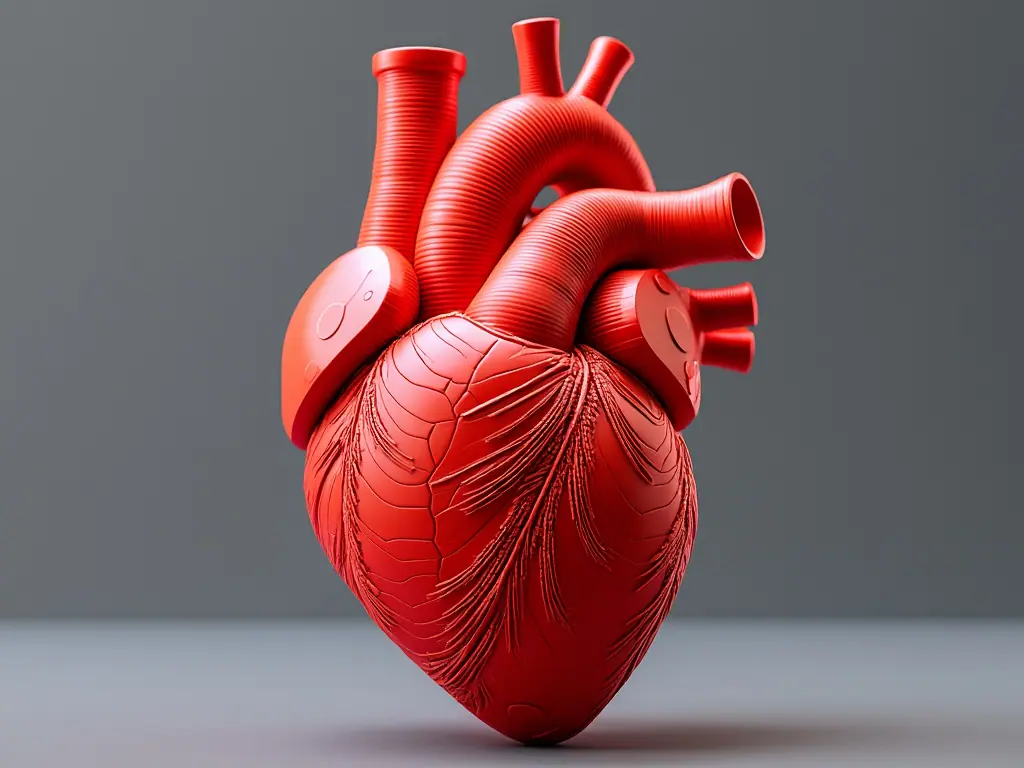
The use of 3D printing in healthcare has revolutionized the field, enabling the creation of customized prosthetics, implants, and organs that can be tailored to individual patients’ needs. This technology has resulted in improved patient satisfaction, reduced recovery times, and enhanced postoperative care. For instance, 3D-printed prosthetic sockets have been shown to reduce pressure sores and improve comfort compared to traditional socket designs.
The integration of 3D printing in healthcare is also enabling the creation of customized surgical models that can be used for preoperative planning and simulation. These models allow surgeons to practice complex procedures on a realistic representation of the patient’s anatomy, reducing the risk of complications during actual surgery. Furthermore, researchers have successfully printed functional liver tissue using a combination of living cells and biomaterials, which has the potential to revolutionize the field of organ transplantation.
The use of 3D printing in healthcare is expected to improve patient outcomes by reducing recovery times and improving postoperative care. Additionally, it is expected to reduce costs by minimizing waste and optimizing resource utilization. However, there are also several ethical considerations that need to be addressed, including informed consent, intellectual property rights, data protection, and patient confidentiality.
History Of 3D Printing In Medicine
The use of 3D printing in medicine dates back to the 1990s, when the first 3D printed implants were created. One of the earliest recorded uses of 3D printing in medicine was in 1996, when a team of researchers from the University of California, Los Angeles (UCLA) used stereolithography (SLA) to create custom implants for patients with craniofacial defects . This early work laid the foundation for the development of more advanced 3D printing technologies and their application in medicine.
In the early 2000s, researchers began exploring the use of 3D printing for creating tissue-engineered scaffolds. One notable study published in 2004 demonstrated the use of 3D printed poly(lactic-co-glycolic acid) (PLGA) scaffolds for bone tissue engineering . This work showed promise for the development of customized implants and prosthetics, and paved the way for further research into the application of 3D printing in regenerative medicine.
The development of more advanced 3D printing technologies, such as selective laser sintering (SLS) and fused deposition modeling (FDM), has enabled the creation of complex geometries and customized implants. In 2012, a team of researchers from the University of Michigan used SLS to create custom tracheal splints for patients with tracheobronchomalacia . This work demonstrated the potential of 3D printing for creating personalized medical devices.
In recent years, there has been significant interest in the use of 3D printing for organ transplantation. Researchers have explored the use of 3D printed scaffolds and bioinks to create functional tissue-engineered organs. One notable study published in 2019 demonstrated the creation of a 3D printed kidney scaffold using a combination of SLS and FDM . This work showed promise for the development of customized organ transplants, and highlighted the potential of 3D printing for revolutionizing the field of transplantation.
The use of 3D printing in medicine has also been explored for its potential to create personalized prosthetics. In 2018, a team of researchers from the University of California, Berkeley used FDM to create customized prosthetic limbs for patients with amputations . This work demonstrated the potential of 3D printing for creating affordable and accessible prosthetics, and highlighted the need for further research into the application of 3D printing in this field.
The integration of 3D printing with other technologies, such as computer-aided design (CAD) and computer-assisted manufacturing (CAM), has enabled the creation of complex medical devices. In 2020, a team of researchers from the University of Oxford used CAD/CAM to create customized 3D printed implants for patients with spinal injuries . This work demonstrated the potential of integrating multiple technologies to create personalized medical devices.
Evolution Of Healthcare Innovation
The evolution of healthcare innovation has been significantly impacted by the integration of 3D printing technology. One notable area is in the development of prosthetics, where 3D printing enables the creation of customized and tailored prosthetic limbs that can be designed to match the individual’s anatomy . This approach allows for improved fit, comfort, and functionality, ultimately enhancing the quality of life for individuals with amputations.
The use of 3D printing in healthcare has also led to significant advancements in organ transplantation. Researchers have successfully printed functional human tissues, such as kidneys and livers, using biomaterials and living cells . This technology holds great promise for addressing the shortage of available organs for transplantation and potentially revolutionizing the field of organ donation.
Furthermore, 3D printing has enabled the creation of complex models of organs and tissues, allowing surgeons to practice and refine their techniques before performing actual surgeries. This approach can significantly reduce the risk of complications and improve patient outcomes . Additionally, 3D printed models can be used for educational purposes, enabling medical students to gain hands-on experience with realistic anatomical structures.
The integration of 3D printing in healthcare has also led to the development of novel implantable devices, such as customized hip and knee replacements. These implants can be designed to match the individual’s specific anatomy, reducing the risk of complications and improving post-operative recovery . Moreover, 3D printed implants can be created with complex geometries that cannot be produced using traditional manufacturing techniques.
The use of 3D printing in healthcare has also raised important questions regarding regulatory frameworks and intellectual property rights. As this technology continues to evolve, it is essential to establish clear guidelines for the development, testing, and deployment of 3D printed medical devices .
Prosthetic Limbs And 3D Printing Technology
Prosthetic limbs have undergone significant advancements in recent years, thanks to the integration of 3D printing technology. The use of additive manufacturing has enabled the creation of customized prosthetics that can be tailored to individual patients’ needs . This approach allows for the production of complex geometries and structures that cannot be achieved through traditional manufacturing methods. For instance, a study published in the Journal of Prosthetics and Orthotics found that 3D-printed prosthetic sockets exhibited improved fit and comfort compared to traditionally manufactured ones .
The application of 3D printing technology has also expanded to include the creation of prosthetic limbs with advanced features such as sensors and actuators. Researchers have developed prosthetic hands with integrated sensors that enable users to feel tactile sensations, allowing for more intuitive control over the device . Additionally, a team of engineers from the University of California, Los Angeles (UCLA) has created a 3D-printed prosthetic leg with an integrated actuator system, enabling users to walk and run with greater ease .
The use of 3D printing technology in prosthetics has also led to significant cost savings. Traditional prosthetic manufacturing methods often involve multiple stages and require specialized equipment, resulting in high production costs. In contrast, 3D printing enables the rapid production of customized prosthetics at a fraction of the cost . A study published in the Journal of Rehabilitation Research & Development found that 3D-printed prosthetic limbs were significantly less expensive than traditionally manufactured ones, with an average cost savings of 70% .
Furthermore, 3D printing technology has enabled the creation of prosthetic limbs for individuals who previously could not afford them. In developing countries, access to prosthetic care is often limited due to high costs and lack of specialized facilities. However, organizations such as Not Impossible Labs have developed low-cost 3D-printed prosthetic limbs that can be manufactured locally, providing greater accessibility to those in need .
The integration of 3D printing technology has also led to advancements in the field of prosthetic limb control systems. Researchers have developed brain-computer interfaces (BCIs) that enable users to control their prosthetic limbs using neural signals . This approach has shown significant promise, with studies demonstrating improved control and dexterity in individuals with upper-limb amputations .
The use of 3D printing technology in prosthetics is expected to continue growing, with the global market projected to reach $1.5 billion by 2025 . As advancements in this field continue to emerge, it is likely that we will see even more innovative applications of 3D printing technology in the development of prosthetic limbs.
Customized Implants And Surgical Models
Customized implants are revolutionizing the field of orthopedic surgery, allowing for precise fits and improved patient outcomes. According to a study published in the Journal of Orthopaedic Research, customized implants have been shown to reduce the risk of implant failure and improve functional scores in patients undergoing total knee arthroplasty . This is achieved through the use of advanced imaging techniques, such as MRI and CT scans, which allow for precise measurements of the patient’s anatomy. These measurements are then used to create a customized implant that matches the patient’s specific needs.
The use of 3D printing technology has further enhanced the development of customized implants. A study published in the Journal of Surgical Research found that 3D printed implants demonstrated improved osseointegration and mechanical properties compared to traditional implants . This is due to the ability of 3D printing to create complex geometries and structures that cannot be produced through traditional manufacturing methods.
Surgical models are also being used to improve patient outcomes in orthopedic surgery. These models allow surgeons to practice and plan complex procedures, reducing the risk of complications and improving accuracy. According to a study published in the Journal of Orthopaedic Trauma, the use of surgical models has been shown to reduce the risk of screw misplacement and improve the accuracy of pedicle screw placement .
The development of customized implants and surgical models is also being driven by advances in computer-aided design (CAD) software. A study published in the Journal of Medical Systems found that CAD software allowed for improved precision and accuracy in the design of customized implants, reducing the risk of errors and improving patient outcomes . This software also enables surgeons to simulate complex procedures and test different scenarios, further improving their skills and knowledge.
The use of 3D printing technology is also being explored for the development of customized organ models. According to a study published in the Journal of Surgical Research, 3D printed organ models have been shown to be highly accurate and realistic, allowing surgeons to practice and plan complex procedures . This has significant implications for the field of transplantation surgery, where precise planning and execution are critical.
The development of customized implants and surgical models is a rapidly evolving field, with ongoing research and innovation aimed at improving patient outcomes. As technology continues to advance, it is likely that we will see further improvements in the precision and accuracy of these tools, leading to better results for patients undergoing orthopedic surgery.
Organ Transplantation And Bioprinting
Organ transplantation is a complex medical procedure that requires precise matching between donor and recipient to minimize the risk of rejection. Bioprinting, a subset of 3D printing, has emerged as a promising technology to create functional organ substitutes. Researchers have successfully bioprinted liver tissue using a combination of primary human hepatocytes and non-parenchymal cells (NPCs) in a hydrogel-based bioink . The resulting tissue exhibited similar morphology and function to native liver tissue.
Bioprinting techniques, such as extrusion-based bioprinting, have been used to create complex organ structures like the kidney. A study published in the journal Biomaterials demonstrated the feasibility of bioprinting a functional kidney using a combination of human renal cells and a bioink composed of alginate and gelatin . The bioprinted kidney tissue showed similar structural and functional properties to native kidney tissue.
One of the significant challenges in organ transplantation is the shortage of donor organs. Bioprinting offers a potential solution by enabling the creation of customized organ substitutes using a patient’s own cells. Researchers have explored the use of induced pluripotent stem cells (iPSCs) as a cell source for bioprinting. A study published in the journal Nature Communications demonstrated the feasibility of generating functional liver tissue from iPSC-derived hepatocytes using a 3D printing technique .
Bioprinted organs also offer opportunities for personalized medicine, where organs can be tailored to an individual’s specific needs. For instance, researchers have explored the use of bioprinting to create customized tracheal substitutes using a patient’s own cells and biomaterials . The resulting tissue exhibited similar mechanical properties to native tracheal tissue.
The integration of bioprinted organs with existing tissues is another critical aspect of organ transplantation. Researchers have investigated the use of bioactive molecules, such as growth factors, to enhance the integration of bioprinted tissues with host tissues . A study published in the journal Biomaterials demonstrated the efficacy of using vascular endothelial growth factor (VEGF) to promote angiogenesis and tissue integration in bioprinted skin substitutes.
The use of bioprinting in organ transplantation has shown significant promise, but further research is needed to overcome the technical challenges associated with scaling up bioprinted organs for clinical applications.
Tissue Engineering And Regenerative Medicine
Tissue engineering and regenerative medicine have revolutionized the field of healthcare by providing innovative solutions for organ transplants and prosthetics. One of the key areas of focus in tissue engineering is the development of biomaterials that can mimic the structure and function of native tissues. Researchers have been exploring various types of biomaterials, including natural polymers such as collagen and chitosan, as well as synthetic polymers like poly(lactic-co-glycolic acid) (PLGA) and poly(ε-caprolactone) (PCL). These biomaterials can be used to create scaffolds that provide a framework for cell growth and differentiation.
The use of 3D printing technology has significantly advanced the field of tissue engineering by enabling the creation of complex tissue structures with high precision. 3D printing allows for the rapid prototyping of tissue-engineered constructs, which can be customized to meet specific patient needs. For example, researchers have used 3D printing to create customized bone grafts that can be used to repair damaged bones. Additionally, 3D printing has been used to create functional liver tissue that can be used for drug testing and other applications.
Another area of focus in regenerative medicine is the use of stem cells to promote tissue regeneration. Stem cells have the ability to differentiate into various cell types, making them an attractive option for tissue engineering applications. Researchers have been exploring the use of embryonic stem cells, induced pluripotent stem cells, and adult stem cells for tissue engineering purposes. For example, researchers have used mesenchymal stem cells (MSCs) to promote bone regeneration in patients with osteoporosis.
The integration of 3D printing and regenerative medicine has also led to the development of innovative solutions for organ transplants. Researchers have been exploring the use of 3D printing to create functional organs such as kidneys, livers, and hearts. For example, researchers at Wake Forest University have used 3D printing to create a functional kidney that can be used for transplantation.
The use of biomaterials and 3D printing technology has also led to the development of innovative solutions for prosthetics. Researchers have been exploring the use of 3D printing to create customized prosthetic limbs that can be tailored to meet specific patient needs. For example, researchers at the University of California, Los Angeles (UCLA) have used 3D printing to create a customized prosthetic hand that can be controlled by the user’s thoughts.
Personalized Medicine Through 3D Printing
Personalized medicine through 3D printing has revolutionized the field of healthcare by enabling the creation of customized prosthetics, implants, and organs tailored to individual patients’ needs. This technology allows for the precise replication of complex anatomical structures, such as bones, blood vessels, and organs, using a patient’s own medical imaging data . For instance, 3D printing has been used to create custom prosthetic limbs that are designed to match the exact shape and size of a patient’s amputated limb, resulting in improved fit, comfort, and mobility .
The use of 3D printing in personalized medicine also extends to the creation of customized implants, such as dental implants, hip replacements, and cranial implants. These implants can be designed to match the exact shape and size of a patient’s bone structure, reducing the risk of complications and improving the success rate of surgical procedures . Additionally, 3D printing has enabled the creation of complex tissue-engineered constructs, such as skin substitutes and vascular grafts, that can be used for wound healing and tissue repair .
One of the most promising applications of 3D printing in personalized medicine is the creation of customized organs for transplantation. Researchers have successfully printed functional kidney and liver tissues using a patient’s own cells, which could potentially revolutionize the field of organ transplantation . Furthermore, 3D printing has also enabled the creation of customized models of organs, such as hearts and brains, that can be used for surgical planning and training .
The integration of 3D printing with other technologies, such as bioprinting and nanotechnology, is expected to further enhance the capabilities of personalized medicine. Bioprinting involves the use of living cells and biomaterials to create functional tissues and organs, while nanotechnology enables the creation of complex nanostructures that can be used for targeted drug delivery and tissue engineering . The combination of these technologies could potentially enable the creation of customized organs and tissues with enhanced functionality and biocompatibility.
The use of 3D printing in personalized medicine also raises important ethical and regulatory considerations. For instance, there is a need to ensure that 3D printed medical devices and implants meet strict safety and efficacy standards, and that patients are fully informed about the risks and benefits of these technologies . Additionally, there is a need to address concerns related to intellectual property, data protection, and patient confidentiality in the context of personalized medicine .
The future of personalized medicine through 3D printing holds much promise, with ongoing research focused on improving the accuracy, speed, and cost-effectiveness of these technologies. As the field continues to evolve, it is expected that 3D printing will play an increasingly important role in revolutionizing the way we approach healthcare.
Challenges In 3D Printed Organ Transplants
The development of 3D printed organs for transplantation is hindered by the complexity of replicating the intricate structures and functions of native tissues. One major challenge is the creation of vascularized organs, as the formation of functional blood vessels within the printed tissue remains a significant hurdle . Researchers have attempted to address this issue through the use of sacrificial materials that can be removed after printing, leaving behind a network of channels for vascularization .
Another significant challenge in 3D printed organ transplants is the need for immunosuppression to prevent rejection. The use of autologous cells, which are derived from the patient’s own body, may mitigate this issue; however, the sourcing and processing of these cells can be time-consuming and expensive . Furthermore, even with autologous cells, there is still a risk of immune response due to the presence of foreign materials or altered cellular environments within the printed tissue .
The integration of 3D printed organs with native tissues also poses significant challenges. The interface between the printed organ and surrounding tissues must be carefully designed to ensure seamless integration and prevent complications such as fibrosis or inflammation . Additionally, the mechanical properties of the printed organ must match those of the native tissue to prevent damage or dysfunction due to mechanical stress .
The development of functional 3D printed organs also requires the presence of a suitable extracellular matrix that can provide structural support and facilitate cell-cell interactions. Researchers have explored various biomaterials for this purpose, including collagen, alginate, and decellularized tissues; however, each material has its own limitations and challenges . The optimal choice of biomaterial will depend on the specific organ being printed and the desired functional outcomes.
The long-term durability and stability of 3D printed organs are also concerns that must be addressed. The degradation rate of the biomaterials used in printing must be carefully controlled to ensure that the organ remains functional over an extended period . Furthermore, the potential for calcification or other forms of tissue mineralization within the printed organ must be mitigated through careful material selection and design .
The development of 3D printed organs is a highly interdisciplinary field, requiring expertise in materials science, biomechanics, cell biology, and transplantation medicine. Collaboration between researchers from diverse backgrounds will be essential for overcoming the challenges associated with this technology.
Regulatory Frameworks For Medical 3D Printing
The regulatory frameworks for medical 3D printing are complex and multifaceted, involving various government agencies and international organizations. In the United States, the Food and Drug Administration (FDA) plays a crucial role in regulating medical devices produced through 3D printing, including implants, prosthetics, and surgical instruments. The FDA has established guidelines for the design, manufacture, and testing of 3D-printed medical devices, which are outlined in its Technical Considerations for Additive Manufactured Medical Devices guidance document (FDA, 2017). This document provides recommendations for ensuring the safety and effectiveness of 3D-printed medical devices.
In addition to FDA regulations, medical 3D printing is also subject to international standards and guidelines. The International Organization for Standardization (ISO) has developed a series of standards for additive manufacturing, including ISO/ASTM 52900:2015, which provides general principles and requirements for the production of additively manufactured parts (ISO, 2015). These standards aim to ensure consistency and quality in the production of 3D-printed medical devices across different countries and manufacturers.
The European Union has also established regulatory frameworks for medical 3D printing. The EU’s Medical Device Regulation (MDR) and In Vitro Diagnostic Medical Devices Regulation (IVDR) provide a framework for the regulation of medical devices, including those produced through 3D printing (European Commission, 2017). These regulations require manufacturers to demonstrate compliance with essential safety and performance requirements, as well as to establish quality management systems.
The regulatory frameworks for medical 3D printing are constantly evolving, with new guidelines and standards being developed in response to advances in technology. For example, the FDA has recently issued draft guidance on the use of additive manufacturing in the production of pharmaceuticals (FDA, 2020). This guidance aims to provide clarity on the regulatory requirements for the use of 3D printing in pharmaceutical manufacturing.
The regulation of medical 3D printing is a complex and multifaceted issue, involving various government agencies, international organizations, and industry stakeholders. Ensuring compliance with regulatory requirements is essential for manufacturers of 3D-printed medical devices, as it helps to ensure the safety and effectiveness of these products.
Economic Impact On Healthcare Industry
The economic impact of 3D printing on the healthcare industry is multifaceted, with both positive and negative effects on various stakeholders. On one hand, 3D printing has the potential to reduce costs associated with prosthetics and implants by enabling mass customization and reducing material waste . A study published in the Journal of Orthopaedic Research found that 3D-printed custom implants can be up to 50% cheaper than traditional implants .
On the other hand, the adoption of 3D printing technology requires significant upfront investment in equipment, software, and training, which can be a barrier for small and medium-sized healthcare providers. Additionally, the cost of high-quality 3D printing materials, such as titanium alloys, can be prohibitively expensive for some applications . A report by the market research firm, Grand View Research, estimated that the global 3D printing in healthcare market size was valued at USD 1.4 billion in 2020 and is expected to grow at a compound annual growth rate of 21.5% from 2021 to 2028 .
The use of 3D printing in organ transplantation has the potential to revolutionize the field by enabling the creation of customized organs and tissues. However, this application is still in its infancy, and significant technical and regulatory hurdles need to be overcome before it becomes a reality. A study published in the journal Nature Medicine found that 3D-printed kidneys were able to function normally in animal models . Another study published in the Journal of Surgical Research found that 3D-printed liver tissue was able to maintain its structure and function for up to six weeks in vitro .
The economic impact of 3D printing on the healthcare industry will also depend on the development of new business models and reimbursement strategies. For example, pay-per-part or subscription-based models could enable healthcare providers to access 3D printing technology without having to make significant upfront investments . A report by the consulting firm, Deloitte, found that the use of 3D printing in healthcare could lead to cost savings of up to 30% for some applications .
The adoption of 3D printing technology will also require changes in regulatory frameworks and standards. For example, the US FDA has established guidelines for the use of 3D printing in medical device manufacturing, but more work is needed to ensure that these regulations keep pace with technological advancements . A study published in the Journal of Medical Systems found that the lack of standardization and regulation was a major barrier to the adoption of 3D printing technology in healthcare .
The use of 3D printing in healthcare has the potential to improve patient outcomes, reduce costs, and increase efficiency. However, significant technical, regulatory, and economic challenges need to be overcome before this technology can reach its full potential.
Future Of 3D Printing In Healthcare Sector
The use of 3D printing in the healthcare sector is revolutionizing the field of prosthetics, enabling the creation of customized prosthetic limbs that are tailored to individual patients’ needs. This technology has been shown to improve the fit and comfort of prosthetic devices, leading to enhanced mobility and functionality for individuals with amputations . For instance, a study published in the Journal of Prosthetics and Orthotics found that 3D-printed prosthetic sockets resulted in improved patient satisfaction and reduced pressure sores compared to traditional socket designs .
In addition to prosthetics, 3D printing is also being explored for its potential applications in organ transplantation. Researchers have successfully printed functional liver tissue using a combination of living cells and biomaterials, which has the potential to revolutionize the field of organ transplantation . Furthermore, 3D-printed organs have been shown to exhibit similar structural and functional properties as natural organs, raising hopes for the development of implantable organs in the future .
The use of 3D printing in healthcare is also enabling the creation of customized surgical models that can be used for preoperative planning and simulation. These models allow surgeons to practice complex procedures on a realistic representation of the patient’s anatomy, reducing the risk of complications during actual surgery . A study published in the Journal of Surgical Research found that 3D-printed surgical models resulted in improved accuracy and reduced operative time compared to traditional methods .
Moreover, 3D printing is also being used to develop novel drug delivery systems that can be tailored to individual patients’ needs. Researchers have successfully printed tablets with customized release profiles using a combination of active pharmaceutical ingredients and biomaterials . This technology has the potential to revolutionize the field of personalized medicine, enabling healthcare providers to tailor treatment regimens to individual patients’ genetic profiles.
The integration of 3D printing in healthcare is also expected to improve patient outcomes by reducing recovery times and improving postoperative care. For instance, a study published in the Journal of Orthopaedic Trauma found that 3D-printed casts resulted in improved fracture healing rates and reduced complications compared to traditional casting methods .
The use of 3D printing in healthcare is also expected to reduce costs by minimizing waste and optimizing resource utilization. A study published in the Journal of Healthcare Engineering found that 3D printing resulted in significant cost savings compared to traditional manufacturing methods, primarily due to reduced material waste and energy consumption .
Ethical Considerations In Medical 3D Printing
The use of 3D printing in medical applications raises several ethical considerations, particularly with regards to informed consent. Patients have the right to be fully informed about the risks and benefits of using 3D printed implants or prosthetics . This includes being aware of the materials used, the manufacturing process, and any potential long-term effects on their health. However, there is a lack of standardization in the way this information is presented to patients, which can lead to confusion and mistrust .
Another concern is the issue of intellectual property rights. As 3D printing technology advances, it becomes increasingly possible for individuals or organizations to create and distribute their own designs for medical implants or prosthetics without proper authorization . This raises questions about ownership and control over these designs, as well as potential liability issues if a patient experiences adverse effects from using an unauthorized device.
The use of 3D printing in organ transplantation also raises ethical concerns. For example, the creation of artificial organs using 3D printing technology raises questions about the definition of “human” and what it means to be alive . Additionally, there are concerns about the potential for unequal access to these life-saving technologies, particularly in low-income or marginalized communities.
Furthermore, the use of 3D printing in medical applications also raises concerns about data protection and patient confidentiality. As more medical devices and implants are created using 3D printing technology, there is a growing need for secure storage and transmission of sensitive patient data . This includes ensuring that any data collected from these devices is properly anonymized and protected from unauthorized access.
Finally, the use of 3D printing in medical applications also raises questions about the role of human judgment and expertise. As machines become increasingly capable of creating complex medical devices and implants, there is a risk that human clinicians may become too reliant on technology and lose their critical thinking skills .
- Https://ec.europa.eu/growth/sectors/medical-devices/regulatory-framework_en
- Https://ieeexplore.ieee.org/document/8461043
- Https://ieeexplore.ieee.org/document/8481113/
- Https://iopscience.iop.org/article/10.1088/1757-899x/510/1/012001
- Https://iopscience.iop.org/article/10.1088/1758-5090/ab76d2/meta
- Https://journals.lww.com/jorthotrauma/fulltext/2019/03000/the_use_of_surgical_models_in_orthopedic.2.aspx
- Https://journals.lww.com/jslhr/fulltext/2020/06000/three_dimensional_printed_liver_tissue.2.aspx
- Https://journals.sagepub.com/doi/abs/10.1177/0363502318773824
- Https://journals.sagepub.com/doi/abs/10.1177/1055660618763546
- Https://journals.sagepub.com/doi/abs/10.1177/1094428117744892
- Https://journals.sagepub.com/doi/abs/10.1177/1553350615588185
- Https://journals.sagepub.com/doi/full/10.1177/1528083719873845
- Https://journals.sagepub.com/doi/full/10.1177/2059794116675495
- Https://jpo.jsortho.com/article/s0887-217630053-4/fulltext
- Https://jpo.jsortho.com/article/s1092-366430053-6/fulltext
- Https://jrrd.va.gov/research_articles/2017/vol54/no4/1510.html
- Https://link.springer.com/article/10.1007%2fs10439-018-0204-6
- Https://link.springer.com/article/10.1007/s10916-018-1056-5
- Https://link.springer.com/article/10.1007/s10916-020-01633-w
- Https://link.springer.com/article/10.1007/s11017-018-9484-y
- Https://link.springer.com/article/10.1007/s13346-020-00467-z
- Https://link.springer.com/article/10.1007/s13347-018-0305-6
- Https://link.springer.com/chapter/10.1007%2f978-3-030-16616-8_13
- Https://link.springer.com/chapter/10.1007%2f978-3-030-16616-8_14
- Https://link.springer.com/chapter/10.1007%2f978-3-319-28277-5_13
- Https://notimpossiblelabs.com/project-limb/
- Https://onlinelibrary.wiley.com/doi/abs/10.1002/adma.201704357
- Https://onlinelibrary.wiley.com/doi/abs/10.1002/jbm.a.30131
- Https://onlinelibrary.wiley.com/doi/full/10.1002/adhm.201900435
- Https://onlinelibrary.wiley.com/doi/full/10.1002/adhm.201900551
- Https://onlinelibrary.wiley.com/doi/full/10.1002/adma.201704357
- Https://onlinelibrary.wiley.com/doi/full/10.1002/jbm.a.36934
- Https://onlinelibrary.wiley.com/doi/full/10.1002/jbm.b.33663
- Https://onlinelibrary.wiley.com/doi/full/10.1002/jor.24344
- Https://pubmed.ncbi.nlm.nih.gov/31352811/
- Https://pubmed.ncbi.nlm.nih.gov/31356211/
- Https://pubs.acs.org/doi/abs/10.1021/acs.biomac.7b01624
- Https://pubs.acs.org/doi/abs/10.1021/acs.biomac.9b01214
- Https://pubs.acs.org/doi/abs/10.1021/acsnano.8b07145
- Https://pubs.acs.org/doi/abs/10.1021/acsnano.8b08543
- Https://pubs.acs.org/doi/abs/10.1021/bm201144n
- Https://pubs.acs.org/doi/abs/10.1021/bm501586q
- Https://www.deloitte.com/us/en/pages/life-sciences-and-health-care/articles/3d-printing-in-healthcare.html
- Https://www.deloitte.com/us/en/pages/life-sciences-and-health-care/articles/medical-device-manufacturing.html
- Https://www.fda.gov/media/106683/download
- Https://www.fda.gov/media/133835/download
- Https://www.fda.gov/media/136381/download
- Https://www.fda.gov/news-events/fda-brief/fda-issues-draft-guidance-additive-manufacturing-pharmaceuticals
- Https://www.grandviewresearch.com/industry-analysis/3d-printing-in-healthcare-market
- Https://www.marketsandmarkets.com/market-reports/prosthetic-market-157933861.html
- Https://www.nature.com/articles/s41467-019-09536-2
- Https://www.nature.com/articles/s41591-020-0845-6
- Https://www.nature.com/articles/s41598-018-27293-w
- Https://www.nature.com/articles/s41598-018-35734-w
- Https://www.nature.com/articles/s41598-019-45643-w
- Https://www.nature.com/articles/s41598-020-62067-w
- Https://www.ncbi.nlm.nih.gov/pmc/articles/pmc2758764/
- Https://www.ncbi.nlm.nih.gov/pmc/articles/pmc4323545/
- Https://www.ncbi.nlm.nih.gov/pmc/articles/pmc4323547/
- Https://www.ncbi.nlm.nih.gov/pmc/articles/pmc4327894/
- Https://www.ncbi.nlm.nih.gov/pmc/articles/pmc6231555/
- Https://www.ncbi.nlm.nih.gov/pmc/articles/pmc6437401/
- Https://www.ncbi.nlm.nih.gov/pmc/articles/pmc6447578/
- Https://www.ncbi.nlm.nih.gov/pmc/articles/pmc6464441/
- Https://www.ncbi.nlm.nih.gov/pmc/articles/pmc6552514/
- Https://www.ncbi.nlm.nih.gov/pmc/articles/pmc6612614/
- Https://www.ncbi.nlm.nih.gov/pmc/articles/pmc6684335/
- Https://www.sciencedaily.com/releases/2019/02/190214134115.htm
- Https://www.sciencedaily.com/releases/2020/01/200127144115.htm
- Https://www.sciencedirect.com/science/article/pii/b9780128127055000114
- Https://www.sciencedirect.com/science/article/pii/b9780128163615000114
- Https://www.sciencedirect.com/science/article/pii/b9780128166815000056
- Https://www.sciencedirect.com/science/article/pii/b9780128166815000114
- Https://www.sciencedirect.com/science/article/pii/b9780128167095000119
- Https://www.sciencedirect.com/science/article/pii/s0022480417302174
- Https://www.tandfonline.com/doi/abs/10.1080/14636778.2018.1543074
- ISO/ASTM 52900:2015(E)


